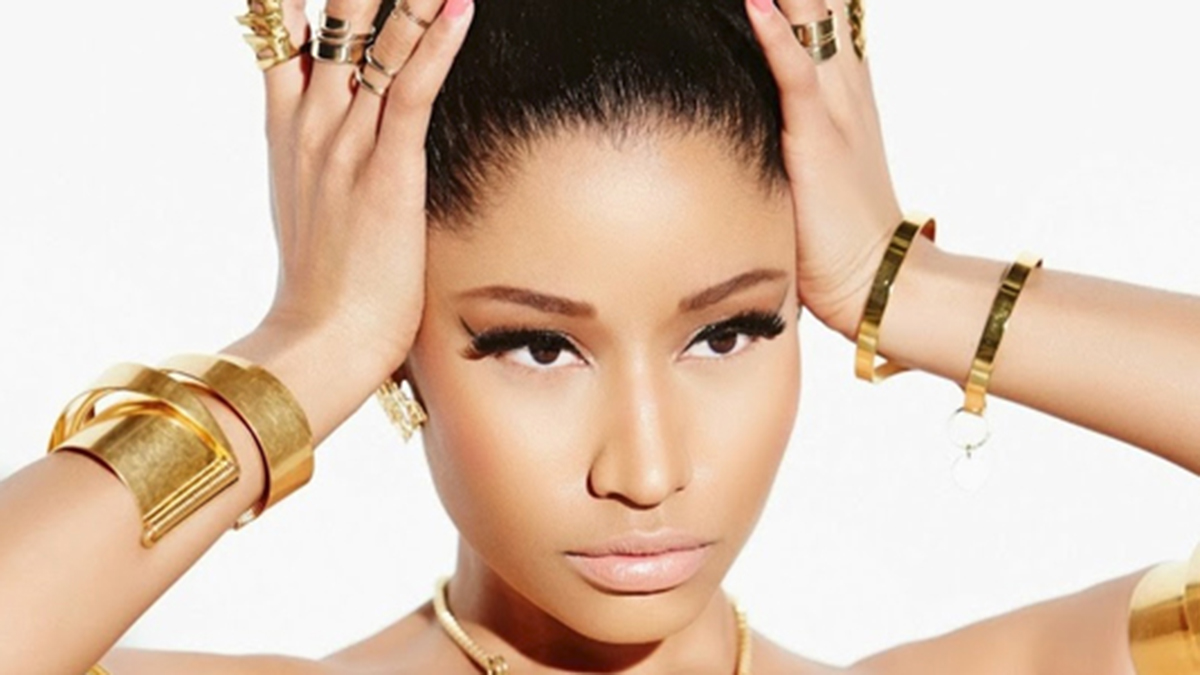
Recent reporting has raised questions about whether a portion of online engagement surrounding Nicki Minaj was amplified by inauthentic accounts, according to analyses cited by Rolling Stone and POLITICO.
The scrutiny stems from research conducted by Cyabra, a firm that tracks coordinated activity on social media platforms.
The company reviewed engagement tied to Minaj’s posts on X during a period when she shared political commentary, including posts supportive of former President Donald Trump and critical of California Gov. Gavin Newsom.
According to the firm’s findings, thousands of accounts interacting with the posts displayed patterns consistent with coordinated inauthentic behavior. The analysis estimated that roughly one-third of accounts engaging with certain political content during the review period were likely fake.
On one day examined, more than half of the comments on related posts were identified as coming from accounts flagged as inauthentic.
Cyabra’s report did not conclude that Minaj directed or knowingly benefited from the activity. Researchers who study online manipulation note that public figures can become focal points for bot networks without direct involvement.
Automated detection methods, they add, are not infallible and often require independent validation.
An adviser to Trump, Alex Bruesewitz, rejected the findings in comments to reporters, saying Minaj “has never used bot activity to promote herself on social media, because she doesn’t need to,” citing her large following.
The discussion follows Minaj’s increased visibility in political spaces, including an appearance at the Trump Accounts Summit. Her shift from music-focused posts to direct political commentary has drawn both support and criticism online.
Representatives for Minaj did not respond to requests for comment in the published reports.
X has faced ongoing scrutiny over inauthentic accounts but has not publicly addressed the specific claims involving Minaj.
Experts say the episode reflects a broader concern about how automated networks can shape public discourse, particularly when high-profile figures become part of politically charged conversations.