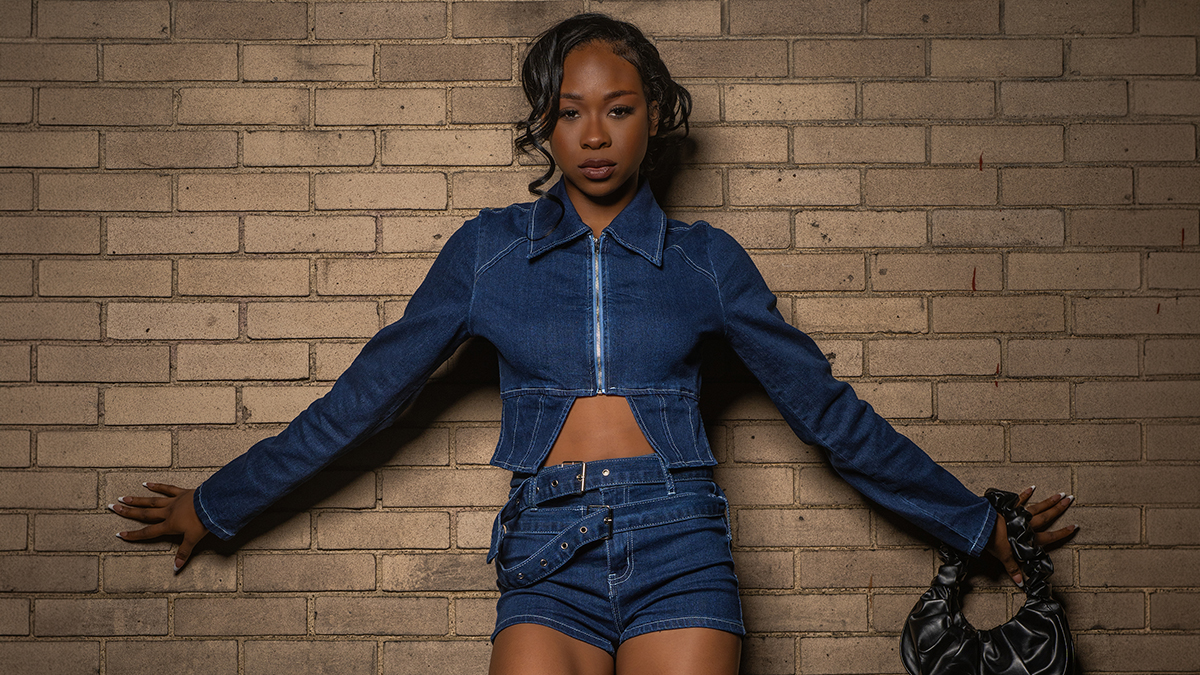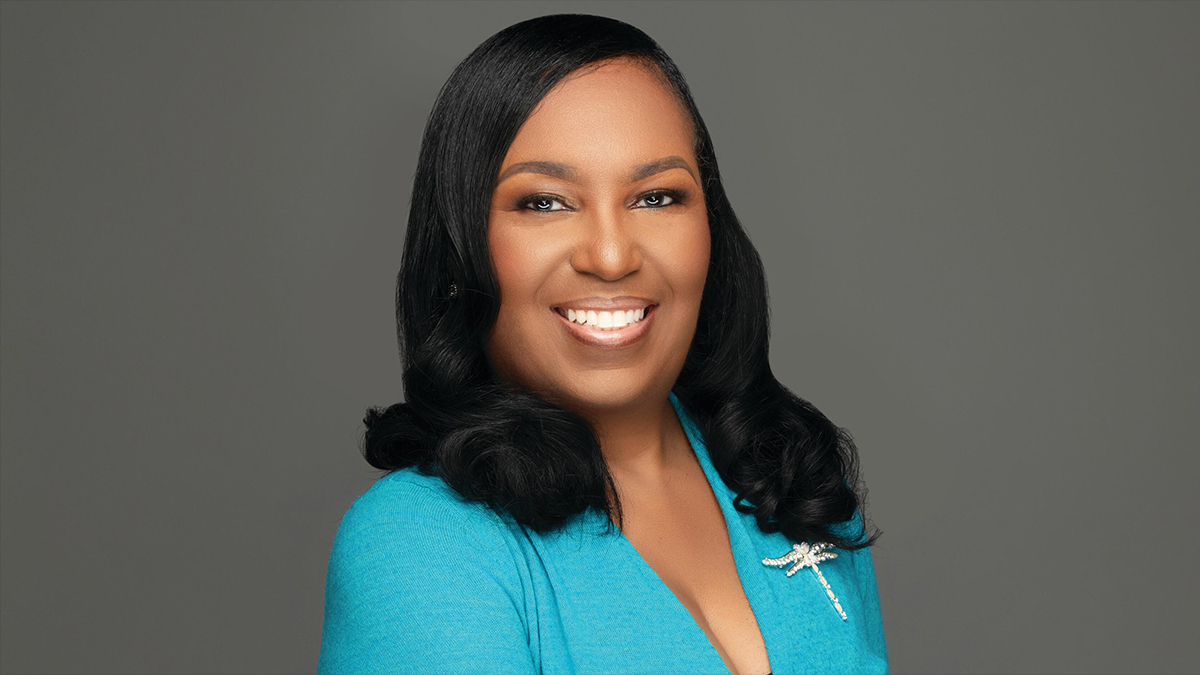

Jaszy Shavers is carving out her space with a voice that commands attention and a presence that resonates with authenticity. In this interview, she shares her journey, creative process, and inspiration.
Your music blends R&B, jazz, and hip-hop influences. How do you approach creating a sound that feels both timeless and contemporary?
I draw from all the musical influences that helped shape my sound. I’m particularly inspired by the late ’90s to early 2000s, as well as legends like Miles Davis and John Coltrane. When I’m producing, I often start by listening to some of my favorite songs—sometimes on vinyl now that I have a turntable. I’ll dissect a track to decide how I want to feel and how I want the listener to feel.
Sometimes I begin with drums and build the vocals around them, then layer in the instrumentation. Other times, I’ll have a melody in my head that I’ve recorded as a voice note. I also think about artists who’ve influenced me, like The Dream or Ryan Leslie, who prioritize rhythm and bounce, or Amel LaRue, who brings so much passion and control to her vocals. I consider what’s on the radio today and what’s missing—which is timeless music.
You’ve described yourself as a “curator of experiences.” Can you elaborate on what that means in the context of your work?
Absolutely. My artist motto is “the new old school,” which is also the name of my record label. The experiences I aim to create are safe spaces for creatives—and even those outside the creative world—to feel comfortable being authentic, unapologetic, expressive, and vulnerable.
By making music that’s true to myself and not confined to a mold, and by openly sharing my creative process and emotions on social media, I build a community where people connect with me not just as an artist but as a person. I want listeners to feel like I’m their homegirl, sister, or even an ex—someone they have a real connection with. It’s been rewarding to see this resonate. People in Atlanta will come up to me, hug me, and share how a song affected them or how it feels like we’re friends. That’s exactly what I want. Growing up, I admired artists I wished I could feel close to, and now I’m creating that for others.
Your collaboration with Tall Black Guy on the cover of Sade’s “Keep Looking” is a standout. What drew you to the song, and how did you approach reimagining it?
Sade is one of my all-time favorites—she’s the reason I started producing. When I was younger, my mom lent me her cassette player, and Sade’s tape was one of the first I owned. Her music is timeless—her compositions, groove, sultriness, and lyricism still hold up decades later.
Tall Black Guy, who’s both a phenomenal producer and like family to me, suggested covering “Keep Looking.” It was perfect timing because I was in a season where I needed to push myself. We experimented with chord progressions over Zoom, and when he sent me the beat, I recorded my vocals in one take. He immediately said, “We have to drop this.” It’s honestly one of my favorite songs I’ve ever made.
As a singer, songwriter, producer, and engineer, how do you balance these roles in a project?
It used to be a struggle, especially when I was teaching myself production. Early on, I’d get frustrated and leave projects unfinished because I couldn’t quite capture my sound. Now, I’ve found a rhythm. I prioritize creativity first—whether that’s recording voice notes, nailing a vocal take, or building a beat. Once the core idea is there, I refine it, mix it, or lean on my network of engineers if needed.
Having collaborators I trust has been key. If I hit a wall, I can reach out, and they’ll help bring the vision to life. The goal is to never lose sight of why I started—the joy of creating.
You’ve released sample packs for other artists. What inspired these, and how do you hope they’ll impact the music community?
The idea came from wanting to collaborate but realizing that timing or resources don’t always align. Not every artist has access to a studio or engineering skills, so sample packs are a way to meet in the middle. I repurpose unfinished sessions—vocal lines, harmonies—and share them for producers to experiment with or artists to use for hooks.
It’s become one of my favorite creative outlets. I love hearing how producers transform the samples into something entirely new. It’s a different way to connect with people and give them tools to express themselves.
How do you protect your intellectual property when releasing these sample packs?
My team and I ensure all sample packs are royalty-free but come with clear legal documentation. When you download a pack, there’s a file outlining usage terms—this protects my work while giving artists the freedom to create.
Your remix of “Humble” highlights your production style. How did you make it distinct from the original?
When I remix, I imagine the artist in the room with me and ask, “What would set this apart?” The original is already perfect, so I aim to give it a new emotion or personality. For “Humble,” I leaned into my jazz influences and reworked the production to create a different vibe—something that feels fresh but still honors the track’s essence.
What can fans expect from you next?
I’m so excited for what’s coming! A summer single is in the works with one of my favorite producers—we have incredible chemistry. I’m also curating a themed EP and working on a rebrand. There’ll be a mix of releases: some sexy, some showcasing my vocal range, and maybe a few surprises on SoundCloud or my website. As Tall Black Guy says, I don’t want to hoard anything—I’m ready to share it all!
Be’n Original