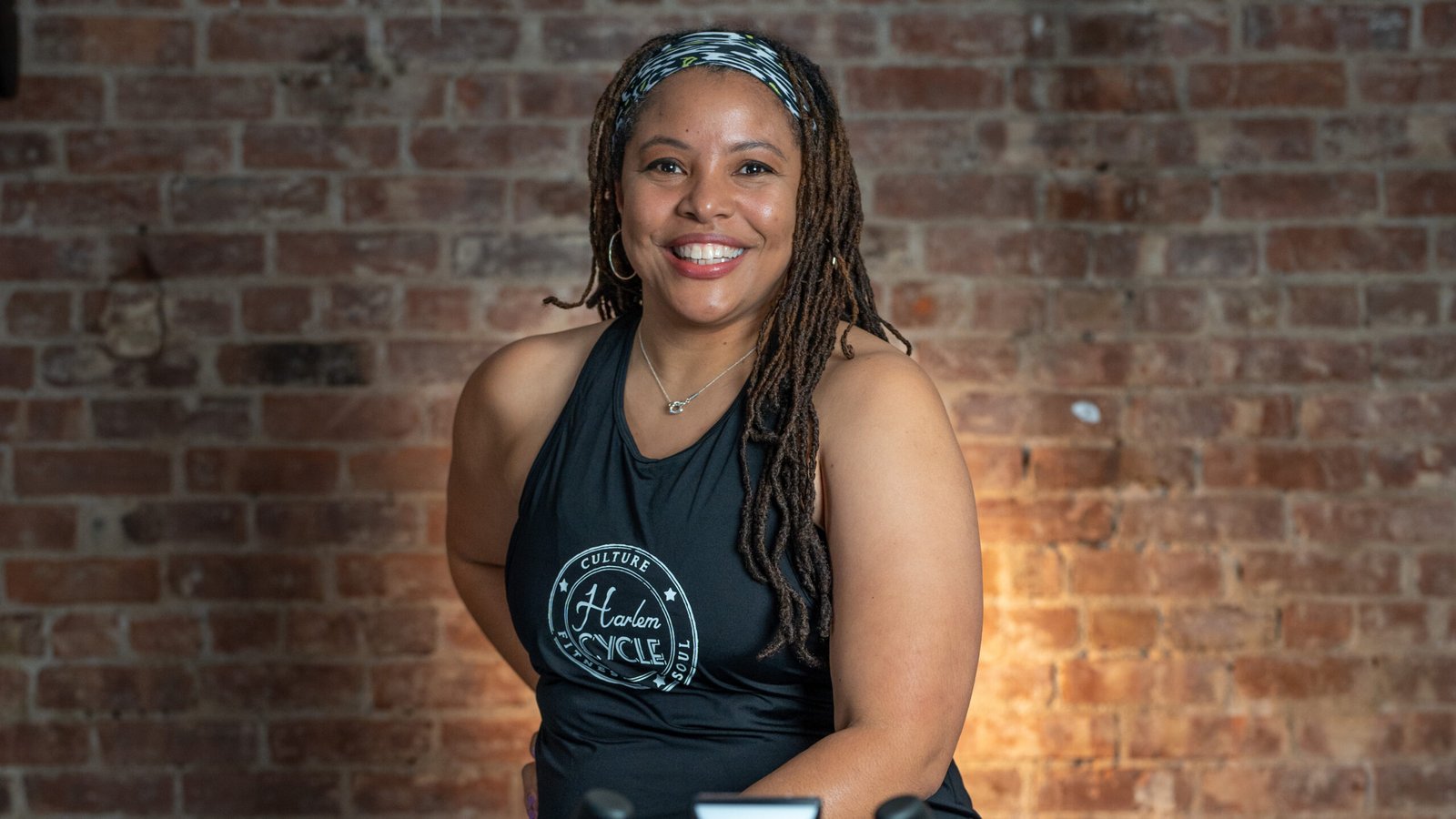

Rev. Janelle Wood, founder of the Black Mothers Forum and BMF School to Purpose Academies, is reshaping education for Black children and families in Arizona. Her micro school model replaces punishment with purpose, creating learning spaces built on safety, love, and accountability. In this interview, she shares how her vision is breaking the school-to-prison pipeline and helping students rediscover confidence, curiosity, and self-worth.
What inspired you to start BMF School to Purpose Academies, and what problem were you trying to solve for families?
BMF School to Purpose Academies grew out of the Black Mothers Forum’s mission to end the school-to-prison pipeline. We saw that many school policies—especially zero-tolerance discipline—were unfairly harming Black children and blocking their access to a quality education.
When it became clear that traditional schools weren’t willing or able to create safe and supportive environments, we decided to build one ourselves. We adopted the micro school model so children could learn at their own pace, surrounded by grace, love, and accountability. Our goal is to create spaces where students can thrive academically and emotionally without fear of punishment, while discovering their purpose and place in the world.
How does your model help children—especially those who have struggled in traditional classrooms—thrive?
Our model allows children to make mistakes and have bad days without judgment. We meet each student where they are, academically and emotionally. Many came to us years behind—sixth graders reading at kindergarten level, for example. We don’t shame them; we build them up. We create individualized development plans that track where each child is, where they need to go, and how to get there—step by step. Parents and our student development coaches, rather than “teachers,” are part of that plan.
Why do smaller, more personalized school environments build confidence and improve learning?
Many students in traditional schools feel invisible. In our smaller setting, they are seen, heard, and valued. Personalized learning means tailoring the education plan to each child’s learning style and aspirations—not only career goals but also character. When we started in 2021, many children couldn’t even speak up during our morning “connection circles.” Now, they’re talkative, confident, and self-advocating. That’s growth we can see.
What role do your coaches play, and how do they differ from traditional teachers?
Traditional teachers often lead from the front as the “sage on the stage.” Our coaches walk alongside students. They’re guides and encouragers. They don’t hand out answers; they help students ask the right questions. Coaches are academically trained but also emotionally aware. They work directly with both students and parents—no hierarchy, no blame. We function as a family unit that supports each child’s academic, social, and emotional growth.
What feedback have you received from parents?
Parents tell us this has been a breath of fresh air. They no longer fear phone calls from school about misbehavior or bullying. They say their children are more engaged, more curious, and excited to learn. Most of all, they feel their children are safe and thriving.
Can you share a student success story that makes you proud?
One student came to us in sixth grade after being bullied in a predominantly white school. She was so traumatized that she hid under her desk whenever visitors entered the room. By eighth grade, she had become a leader and designer. Her final project was to create a formal gown, which she designed and sewed herself. Her coach even wore it to graduation. That young woman entered high school two grades ahead academically and continues to excel. She knows who she is now.
How do your students perform academically compared to national averages?
Our students take the NWEA national test in reading, math, and ELA. Last year, 67% of our fifth graders were reading on or above grade level—far above the national average of around 20%. We also use IXL to track daily progress. Many students read one to two grades ahead. One of our youngest, a four-year-old who joined us at age three, now reads at a first-grade level. Smaller environments and personalized learning make that possible.
What ages and locations are open for enrollment now?
We serve students from pre-K through 12th grade. We partner with Pathways Early College Academy for our high school program, which allows students to earn dual college credits as early as sophomore year. We currently have two locations—in the Northwest Valley and in Surprise, Arizona. The Northwest Valley campus can hold up to 10 micro schools and about 120 students. The Surprise site offers a more home-based model ideal for families transitioning from homeschooling.
What’s the enrollment process for families before October 31?
Families should first schedule a tour—bring the child so they can experience the space. Tours can be arranged at www.bmfmicroschools.org or by emailing our director, Tiffany Dudley, at microschools@blackmothersforums.com. Once a family decides to enroll, they can self-pay tuition or apply for Arizona’s Empowerment Scholarship Account (ESA), which covers tuition and before/after-school programs for all K–12 students in the state.
For parents who are unsure whether a micro school is the right fit, what would you say?
Look at how your child is doing now. If they’re struggling academically, emotionally, or socially, something needs to change. Smaller environments give them the space and confidence to grow. Come take a tour. Many families who were uncertain made their decision the moment they walked in.
Be’n Original