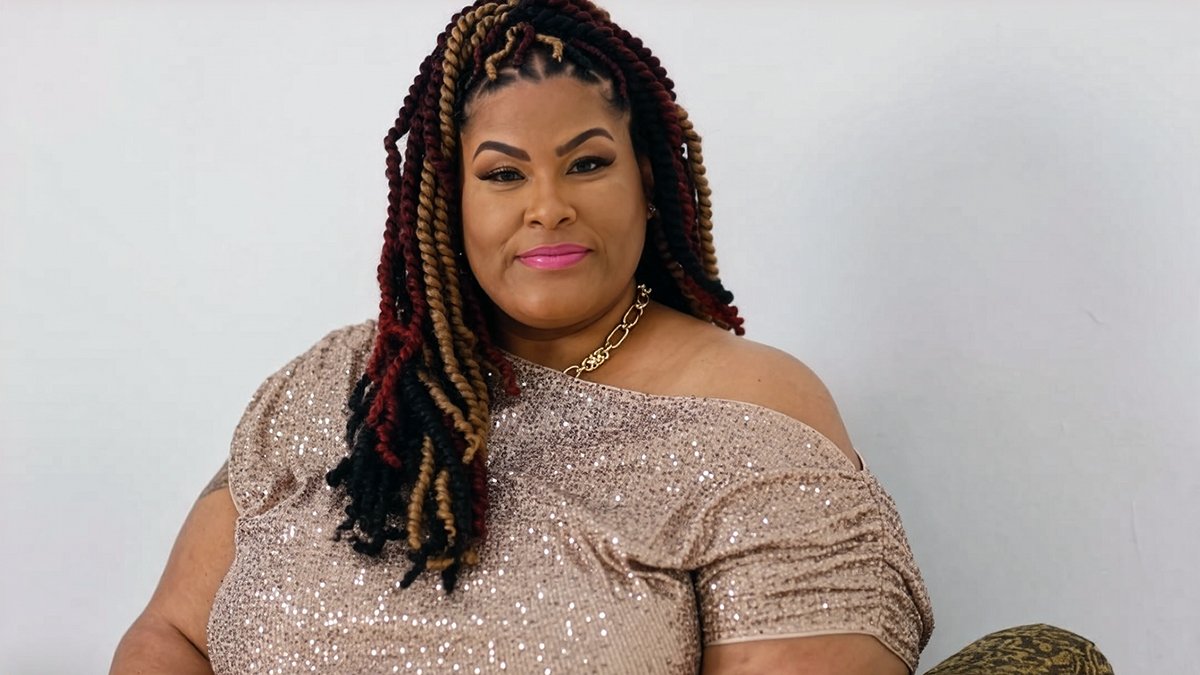
La’Janeé Alford built a brand in courtroom journalism by breaking down complex legal cases so everyday readers could follow what was happening. Her approach connected law, culture, and community.
What led you into courtroom journalism instead of traditional crime reporting in general news?
I once planned to become a lawyer. When the pandemic began, I prepared to apply to law school, but COVID halted that process. At the time, I worked at The Shade Room. While there, I started pulling court documents and helped map out the Tory Lanez coverage. That experience introduced me to court reporting.
I already watched many true-crime programs, so the shift came naturally. I also saw a need to bridge the gap between law, culture, and community. Many people struggled to understand legal language. I wanted to break it down so readers could follow what was happening. I felt responsible for going deeper than a basic report.
You have been described as someone who breaks down complex legal stories for the culture. What is your current framework for deciding when a legal nuance needs immediate translation?
Many pages misrepresented facts or only reported part of them. Lies traveled faster than truth. When I saw general interest, trending stories, or where celebrity and crime intersected, I moved quickly. It was not tied to one metric. It came from understanding social media, strategy, and timing. Over time, I learned what would attract attention. I centered my work on three pillars for my platform, Crazy Crimes, Verdict Watch: courtroom facts, cultural context, and community reaction. Social media formed its own trial outside the courtroom. I wanted to show the differences between the online conversation and what took place inside.
What did you learn during the Diddy federal trial cycle that permanently changed your verification standards for social formats?
When the indictment was unsealed, people reacted strongly to several claims. Once inside the courtroom, I heard testimony and saw how the prosecution and defense interpreted the same text messages in different ways. I learned to pause before reacting to salacious allegations. Indictments were not proof of guilt. The Diddy case taught me to filter information and resist reacting based only on reading documents. Cultural language was often misunderstood. For example, one phrase used in testimony was interpreted by prosecutors as sexual, though in Black communities it often meant something else. That showed me how important it was to break things down carefully and avoid adding meaning that wasn’t there.
You worked the Tory Lanez trial strategy at The Shade Room. What verification system did you carry forward?
Sources were the foundation. During deliberations, a form circulated claiming “not guilty,” but the form had not been filled out. Many pages posted it without confirmation. I learned to double-check everything and not rely on others. If I could not verify information with at least two sources, I would not post it. During federal trials, where proceedings were not streamed, it was important to know which reporters to trust. Not everyone tweeted the same level of detail. Verification and timely sourcing became essential.
What are your thoughts on how social media changed journalism, especially with pages focused more on traffic than informing the public?
Mess sold, but people needed clarity, context, and truth. Social media created opportunity for many, but it also gave space to people reporting “information” without understanding basic journalistic standards. This made my work necessary. I built a gap between reporting and gossip. A recent example was the Alicia Andrews trial connected to the death of Julio Foolio. Many pages claimed she turned down a plea deal, but there was no public record of that. The claim spread for months. Even after corrections, many believed it.
This showed how misinformation circulated when pages prioritized being first over being accurate.

Crazy Crimes Verdict Watch is becoming more than a show. What is the next business lane with the most upside?
I am developing Verdict Watch University for creators. Some YouTubers reported false information simply to go viral. The university will offer tools to understand legal news rather than repeat what was heard. I also created a playbook and toolkit for trial coverage, whether in person or remote, outlining the fundamentals of legal reporting.
How do you decide which digital platforms get the first drop when you hold exclusive courtroom information?
For live, on-the-ground coverage, I posted first on TikTok because information traveled quickly there. When covering from home, I used Instagram and Facebook first because of easy cross-posting. For longer explanations, I often posted on Threads or X, where audiences consumed more detailed content.
When building digital tools for aspiring journalists, what is the most important skill they must learn before platform growth?
Know your mission. It sets the direction for everything you post. Then research. Research determined credibility. I pulled my own court documents. I called court clerks. I built my own contacts. I did not rely on other pages or reposts. During the Diddy trial, courthouse staff recognized me because I showed up consistently. That mattered.
How do you identify when your coverage is shaping culture versus reflecting it?
The comments and the way other platforms adjusted their language told me. People waited for my breakdowns. That showed I was shaping culture because audience habits shifted. Reflecting culture came through community reaction. For example, when I posted about SNAP benefits and how loss of access affected the South, the discussion reflected lived experiences. I am still learning the difference, but audience expectations indicated a shift.
Be’n Original