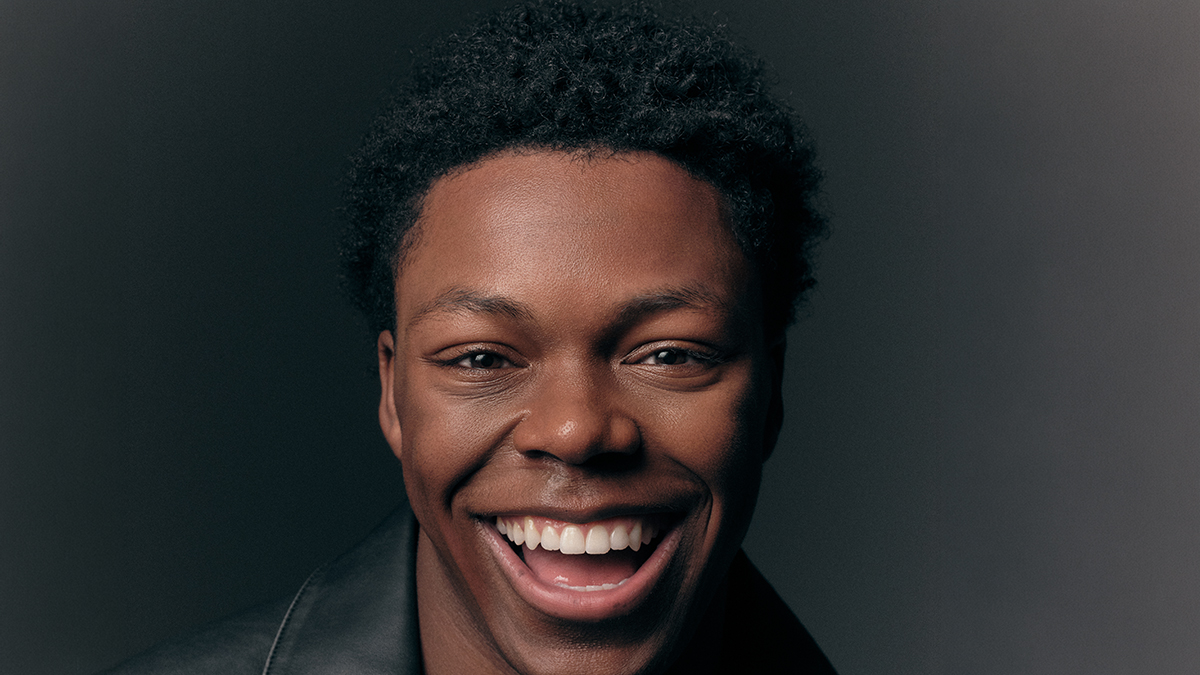
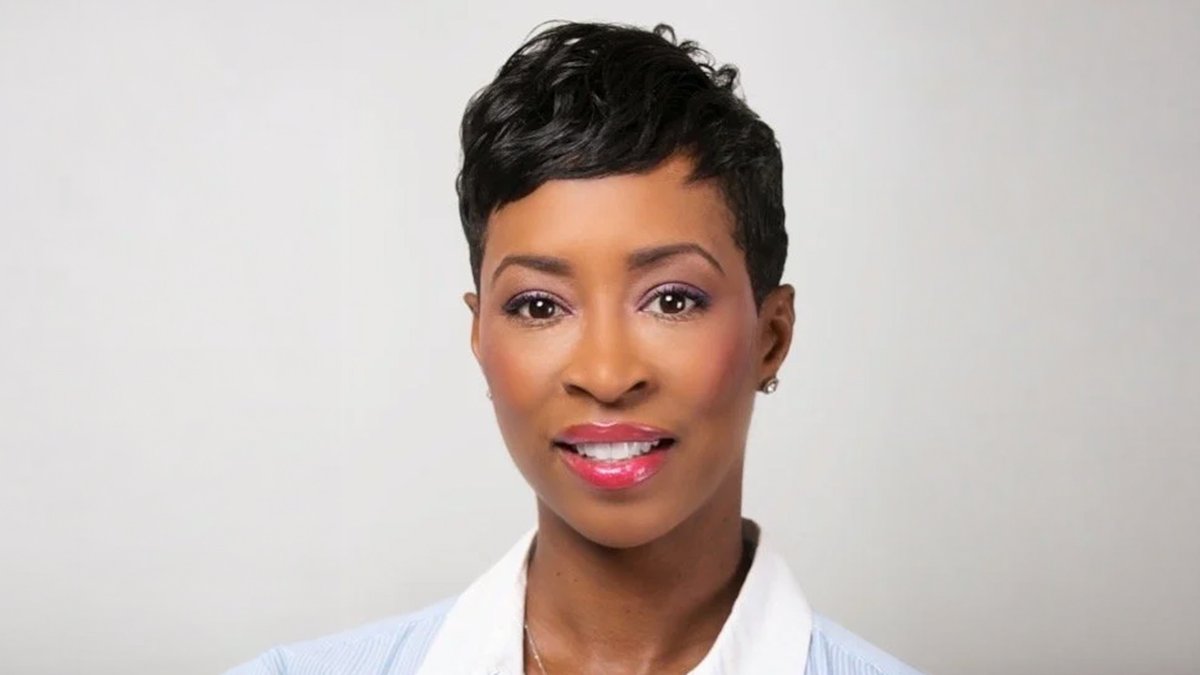
Aria F. Wright has worked across luxury, technology, and entertainment, building campaigns centered on connection and cultural impact. She focuses on community response and authenticity beyond sales metrics.
You’ve built campaigns across luxury, consumer goods, technology, and entertainment. How do you shift your thinking when moving from one sector to another while keeping the brand grounded?
I actually shift my thinking based on the brand. I pride myself on wanting to know, needing to know, and getting energy from understanding what the brand messaging is, who the audience is, what has resonated with consumers, how the brand makes people feel, and what emotion people take away when engaging with it. That’s how I get started.
I learn as much about the brand as I can and shift my thinking based on that. If I’m new to the team or the brand is new to me, I take cues from people who have more experience or who have had real interaction with the brand, including successes and not-so-good successes. I hesitate to call them failures, because everything is a learning experience.
Looking back at your time as a brand ambassador and marketing lead, how has your definition of success changed beyond sales and revenue?
For me, it’s about feeling. I’m a veteran in this space, and I’ve seen many brands come into the market that people simply don’t gravitate toward. I’ve seen brands put significant money behind campaigns and still fail to connect with consumers. I look at success differently. Sales teams look at things one way, and that makes sense, but I focus on how people get excited, how they talk about a brand, how they create their own messaging around it, and how they help galvanize communities. That matters to me more than just sales numbers.
I’ll probably get pushback from anyone in sales because they’re driven by performance and revenue. But I’m driven by impact and how a brand lives in the culture.
You often talk about authentic connections with diverse audiences. How do you know when a brand is getting it right?
You know a brand is getting it right when people start forming and voicing their own opinions, when they mobilize communities, and when they show a real affinity for the brand. That’s when a brand is truly taking off. A lot of times, decisions are made in offices, based on ideas bounced around internally and limited research. Market research often relies on segmented or closed audiences. It’s important to see what’s happening outside that bubble—how people you didn’t handpick are responding and how they’ve taken the brand and run with it.
For me, it’s about the organic response, not just putting a group of people in a room and asking them questions.
Influencer marketing has evolved over the years. What feels different now, and what fundamentals still matter?
I’ve always been an influential voice with the brands I’ve worked with because I’m part of the audience and the target. I’m an early adopter, so I look for early adopters. When I bring on influencers, I look at engagement before follower count. Influencers didn’t suddenly appear with millennials. Influence has existed forever. There has always been someone who could tell a story better, reach more people, or inspire others through style, personality, or presence.
The fundamentals are the same, but brands are no longer taking the million-dollar, single-post approach. They want more value. There’s more focus on micro-influencers—people who genuinely engage with their audience and aren’t just posting for a check. Influencers now have to go further and be more creative. I’ve seen more humor and originality, which reflects where society is right now. Life is heavy, and people want levity. That creativity is resonating.
I’ve signed contracts that spell out exact posting requirements, and you get what’s promised, but it can feel empty. There’s no gut behind it. Now, I see more heart in the content because the space is more competitive. Brands are respecting that and seeing better results.
As the founder of The Industry Connection, what signals tell you a client or project is the right fit?
It comes down to the upfront conversation. When I’m briefed on a scope of work or a product, I can usually tell if it aligns with my lifestyle and if I can relate to it. It’s not just about age or geography. It’s about mindset. If I can connect with the mindset or envision myself as part of that lifestyle, I know I’ll be able to connect more deeply with the brand.
What experiences from your corporate career most prepared you for entrepreneurship?
I’ve always been a people connector. I graduated from Temple University with a marketing degree, and I’ve always loved people. That actually sets me apart. I know many marketers who don’t enjoy working with people. That was my first clue that this could be a long and successful career for me.
Brands increasingly tie themselves to social impact. How can philanthropy be part of a brand story without feeling forced?
It starts with authenticity and awareness—understanding what’s happening in society and politically, and how tone affects people. A brand can attract or alienate people based on how it shows up. The social impact piece matters because so much is happening all the time. When you look at the news, you see situations that should be viewed through a human lens first. Too often, politics override humanity.
Philanthropy and social impact should focus on the humane side of life. If people and brands led with humanity, we would be in a better place.
Through your work with Brown Girl Village, how do you use your marketing skills to support young women and future leaders?
Community work is critical. There are so many negative and overly mature images aimed at young girls. People like me are fueled by the opportunity to teach, engage, and show a different perspective.
I represent a more natural, realistic image. I still show up professionally and confidently, and that matters. Young girls need to see real people doing real work in the community. This isn’t about dismissing influencers. That is real work, and it takes discipline and strategy. But it’s also important to show the value of everyday careers—people who go to work, contribute to organizations, and live full lives.
We need all types of workers and leaders. Brown Girl Village, founded by Sharon Page, does an incredible job of supporting girls through financial literacy, social skills, job readiness, and life coaching. These are tools that may not always be available at home. The response from the girls shows how important this work is. It matters that they know people are invested in their future and believe they matter.
Be’n Original