
James McMillan has spent decades negotiating at the intersection of creativity and commerce. As CEO of Art@War, he has worked with artists including Honey Bxby and members of the YBN collective, structuring deals designed to protect ownership and long-term control.
In this conversation, McMillan turns his focus to artificial intelligence and its growing role in music creation, distribution, and contracts. Drawing on experience that spans the shift from physical formats to streaming, he argues that while technology will continue to evolve, real artistry remains irreplaceable. For McMillan, AI is not the end of creativity—it is the next negotiation artists must learn to navigate.
You’ve been described as actively negotiating the future of music deals. Can you break down how AI is already shaping contracts and bargaining power behind the scenes?
AI is forcing the law to catch up with technology. We’ve seen that with legislation like the Music Modernization Act, the Music Licensing Collective, and the AMP Act. These measures are helping songwriters, producers and artists secure clearer rights and stronger royalty collection structures.
For years, royalty distribution lacked clarity, especially as streaming became dominant. The law had to evolve to address how payments are calculated and distributed in a digital environment. AI is part of that shift. Lawmakers and industry stakeholders are still working to align legal frameworks with rapidly changing technology.
With AI increasingly involved in music creation and distribution, what are the biggest misconceptions artists have about their rights and leverage today?
One misconception is creative fear—the idea that computers will replace real artists and take away their audience. I don’t believe that. People still want authentic artistry from individuals they can connect with.
I expect the industry will develop clearer distinctions between AI-generated music and human-created music. There will always be demand for real musicianship.
When advising artists, what key questions do you tell them to ask before signing a deal in today’s AI-influenced landscape?
First, make sure you have a lawyer at the bargaining table. That’s critical. Second, ensure the contract isn’t overreaching, particularly regarding rights that have not yet been clearly defined under the law. Third, if you’re granting rights you don’t fully understand, confirm that the company you’re signing with has the infrastructure to properly exploit those rights. Otherwise, you risk losing income or having your rights tied up later.
Labels provide resources and promotion. Where do artists most risk losing control or value in a contract?
When they give up rights, they don’t understand. Technology changes quickly, and the law follows behind it. You might negotiate a term today that appears favorable based on your leverage, only to realize later that it was not in your best interest. AI and emerging tools continuously reshape the playing field. The goal in negotiations is to remove as much ambiguity as possible.
Ownership and long-term control have always mattered. Why are they especially critical for emerging artists now?
Ownership depends heavily on leverage. Labels invest capital with the expectation that they will elevate an artist’s career. Today, many deals are structured as licensing arrangements. Again, it depends on the leverage an artist brings into the negotiation. Leverage remains central.
How do you balance maximizing immediate opportunities while ensuring clients retain rights that may become more valuable later?
We focus on building leverage before entering negotiations. The lawyer or manager becomes the advocate who understands the artist deeply and can articulate their strengths. That’s how you justify stronger terms, including ownership interests in masters or other assets.
You’ve been in this business a long time and navigated multiple industry shifts. What has been the key to your longevity?
Evolution. You have to evolve with the business. Over time, you build a catalog of experience you can draw from. While technology changes—from vinyl to cassettes to CDs to streaming—many of the core rights being negotiated remain similar. For example, in the vinyl era, “breakage” was a major negotiation point. Labels would withhold a portion of royalties to account for damaged records during distribution. Streaming eliminated that rationale.
Still, labels may attempt to shift similar percentage holdbacks into other areas. Experience allows you to recognize when something is outdated or unnecessary in modern contracts.
In your work with the Black Music Action Coalition and the Living Legends Foundation, how do you approach protecting artists’ rights and legacy in the AI era?
The two organizations have distinct missions. The Living Legends Foundation supports elder figures in the music business and provides assistance or scholarships where needed.
The Black Music Action Coalition focuses on ensuring Black and Brown professionals receive fair treatment and representation in executive spaces. My role is to contribute information and advocacy aligned with each organization’s mission.
What protections should artists be aware of in contracts to safeguard against AI exploitation?
Every negotiation is different. You can’t demand protection without leverage. If an artist lacks leverage, they may not be in a position to insist on specific clauses. It becomes a decision about whether to accept the deal. Labels often identify emerging artists through digital metrics and structure agreements around that limited leverage. Sometimes those deals bundle extensive rights together.
Artists with leverage can negotiate ownership, adjusted royalty structures, delayed participation thresholds, or improved payment terms. The assumption that every artist can demand the same protections is not realistic. Leverage determines negotiating power.
Looking broadly at the industry, who wins or loses as AI becomes more integrated into music creation and dealmaking?
I believe everyone can benefit. Technology often feels disruptive at first, but artists who learn to use it effectively can enhance their work. Producers once needed reference singers to pitch songs. Now, AI tools can simulate how a track might sound in a specific style before presenting it to an artist.
At the same time, established artists can use technology to refine vocals or production. It depends on how the technology is used. I believe it will expand creative possibilities.
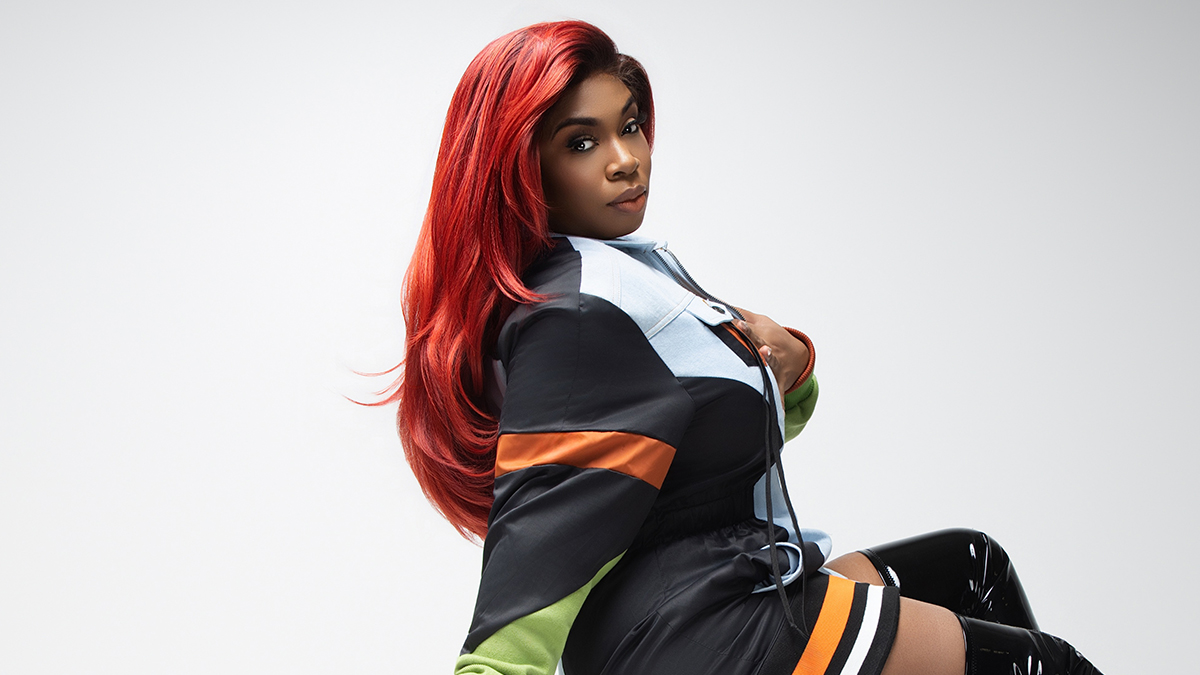
You’ve worked closely with Honey Bxby. What made you decide to sign her?
She’s a star. Her music stands out, but beyond that, when you meet her, you recognize she fills a gap in the current landscape. She creates from a perspective that resonates with many young women, and her presence is authentic. My partner K-Mac introduced me to her music. I was immediately drawn to her sound, approach, and personality. That combination made the decision clear.
Thank you again for your time.
Thank you. I appreciate the opportunity to share my perspective.