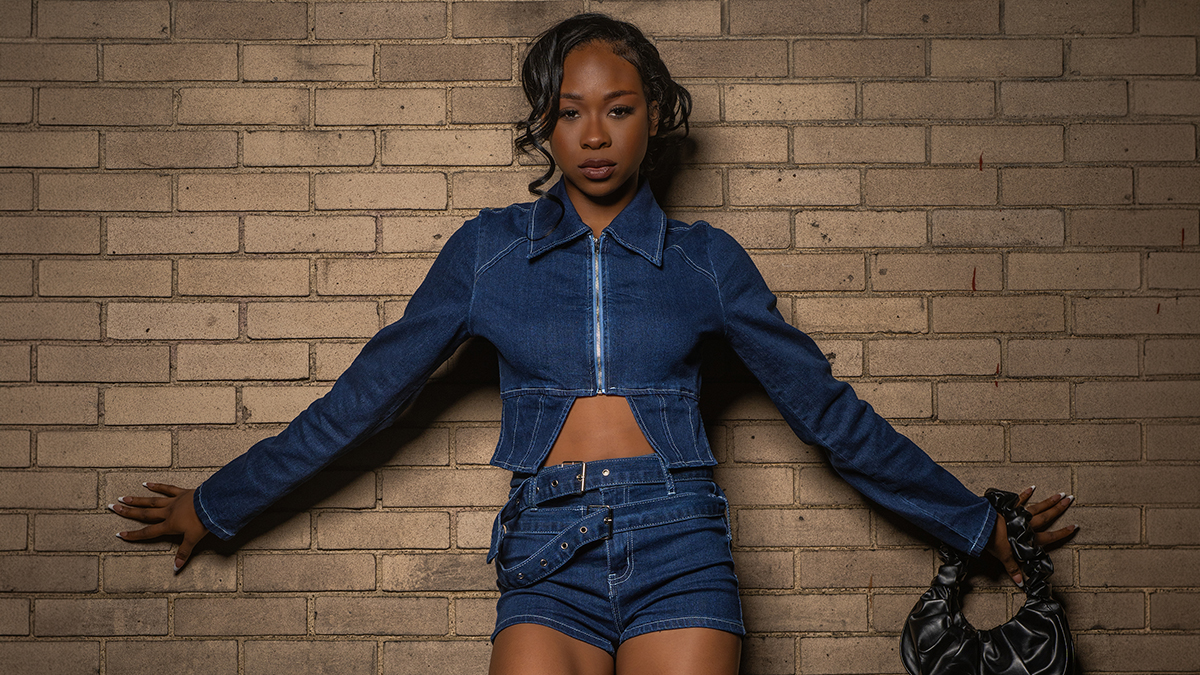
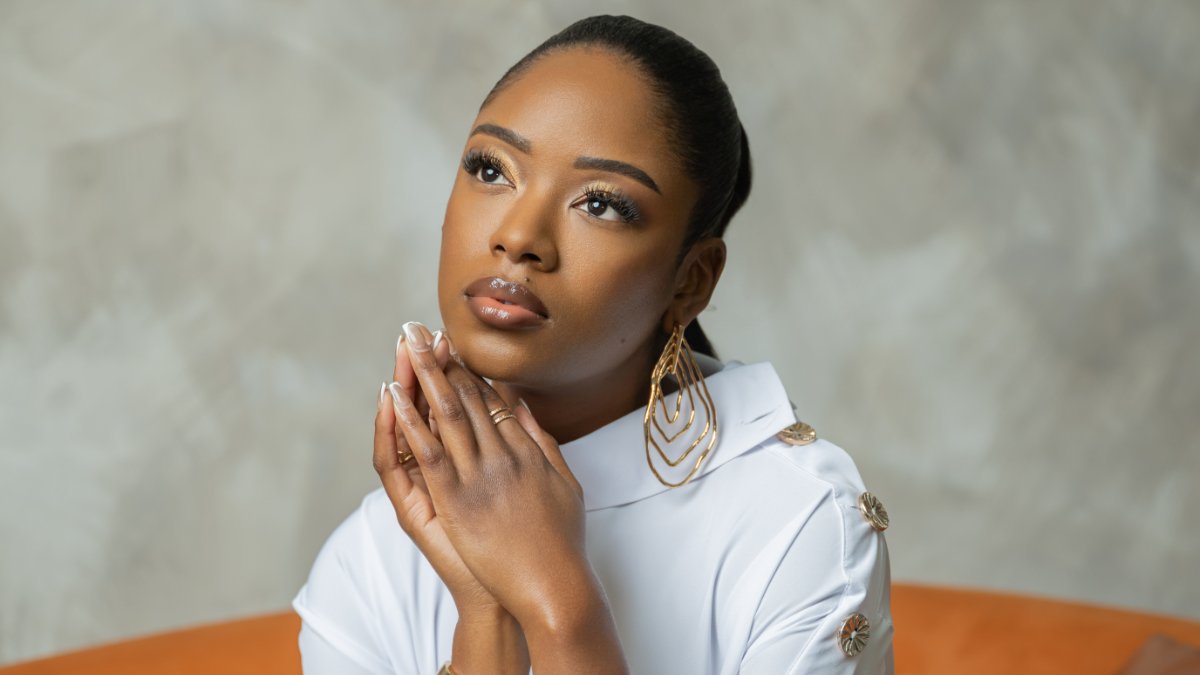
Amber Reign Smith’s career is rooted in discipline and character-driven storytelling. In this interview, she reflects on her journey, her role in “Beauty in Black,” and what shaped her work on and off screen.
Let’s start at the beginning. What drew you into acting, and when did you decide to pursue it as a career?
I’ve been interested in acting for as long as I can remember. Growing up, I watched All That and Taina on Nickelodeon, and those shows really sparked my interest in entertainment. I was always drawn to storytelling and performance.
I’ve also been a huge fan of Beyoncé. She inspired me because she does it all—music, performance, and presence. That made a big impression on me early on. I took theater classes in high school and later in college, and around that same time, I started doing short films. That’s when the acting bug really hit me, and I realized this was something I wanted to pursue seriously.
I officially went full time about four years ago, but acting is something I’ve always felt connected to.
How did you approach playing Rain in Beauty in Black, and what did you want viewers to understand about her?
I approached Rain the same way I approach all of my characters. I thought about how she got to where she is—being sex trafficked, her situation with Jules, her relationship with Kimmie, all of that. I put myself in her shoes and asked how I would feel living under those circumstances.
What do you want viewers to understand about her?
I want people to understand that she’s human, flawed, and traumatized. A lot of her actions are based on the trauma she’s experienced. People often think about what they would do, but they haven’t been in the situation she’s been in.
Beauty in Black involves long-running story arcs. How does working on a serialized drama shape your preparation for each episode?
It helps to know where the story is going. With a series, you can see the growth of the characters from season to season, and that’s very helpful when preparing for the next one.
We also work very differently at Tyler Perry Studios compared with a typical studio. We work fast, so the preparation is different. There isn’t a lot of prep time, but it forces you to be disciplined and focused when it’s time to work.
You’ve appeared in both drama and comedy. How do you adjust your process when moving between genres?
With comedy, I approach it more freely. It allows you to lean into improvisation a bit more, go off-book, and let things flow naturally. There’s a lightness to the preparation. You still take the work seriously, but comedy gives you more room to play and adapt in the moment.
Some of your roles focus on relationships between women. What do you look for in stories that center on those dynamics?
I look for stories that feel real. Women are complex — emotionally and otherwise — and our relationships reflect that complexity. I’m drawn to stories that are relatable, whether they’re experiences I’ve had myself or situations I can connect to in some way.
What has working with Tyler Perry taught you about storytelling or discipline?
It’s definitely sharpened my discipline. The pace can be intense. As far as storytelling, it’s taught me to be brave and not shy away from roles that some people might avoid.
How do you balance collaboration with directors and writers while protecting your own interpretation of a character?
I’ve been fortunate to work with directors who are open to hearing my interpretation of a character. I haven’t had negative experiences in that area. The directors I’ve worked with respect the creative process, and many of them are actors themselves, so they understand what it takes to build a character from the inside out.
What challenges have shaped you the most since entering the television industry?
The most significant challenge recently has been becoming a mother. I’m a single mother, and my daughter is two years old. Before I do anything professionally, I have to make sure she has childcare, that she’s safe, and that she’s taken care of. Before motherhood, my only responsibility was myself — I could just get up and go. That shift has been the most challenging part of acting for me lately.
How do you measure growth in your career beyond screen credits?
One way is financially. Another is the level of support I receive from people around the world. Earlier today, I was on TikTok Live, and people from Kenya, Nigeria, and the Dominican Republic were tuning in and talking about my character. That kind of reach and connection has been a big measure of growth for me.
What types of roles or stories are you hoping to explore next?
I would love to do a psychological thriller. That’s my favorite genre, and I’m really looking forward to exploring something like that.
Last question. When you’re away from the set, the cameras, and the fandom, what do you do to relax?
I love to travel. If I have the time and the resources, I’m taking a trip.
Be’n Original