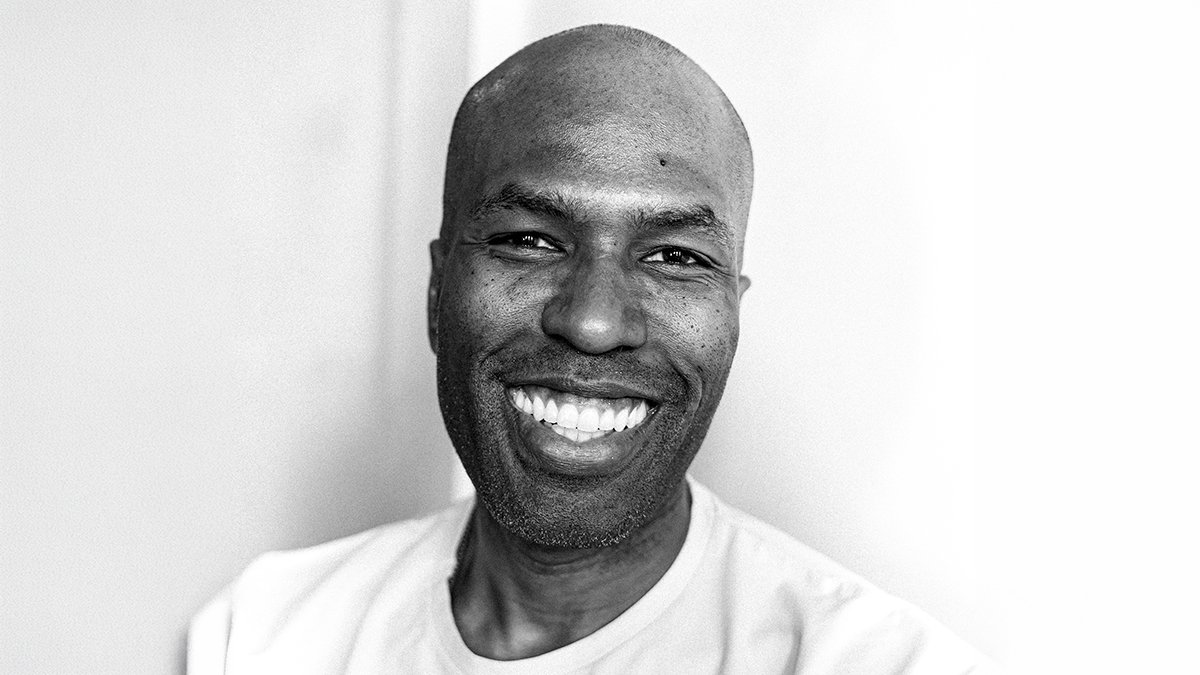

Tobias Dorzon is proof that a second act can redefine a life. The former pro running back built a national platform on Food Network and expanded his culinary reach while bringing West African roots, competitive discipline, and community into the center of his work.
A year after surviving a violent attempt on his life, he is determined to show what a chef who refuses limitation can build—city by city, plate by plate, on his terms with newfound faith.
Once again, thank you for taking the time for this interview. Let’s start at the beginning. How did your transition from pro football to food change how you understand competition?
The change wasn’t a change to me. I’ve always been competitive. When I played football, I wanted to be the best running back. When I became a chef, I wanted to be one of the best chefs. I didn’t want to be viewed by color. I wanted to be viewed as a chef who created great experiences, gave people a good time, and introduced them to food they didn’t expect to like and ended up loving.
On cooking shows, competition is one-on-one. It feels like track or boxing. You can’t rely on someone else to save you. If I do what I’m supposed to do, I’ll come out on top. My love for competition transferred into culinary.
How does live game memory show up in Food Network timed cooking?
“20-Minute Champs” was the first competition I battled on with a live audience. It felt like football. When you look up and people are cheering, it pushes you. Filming is one thing, but when people are watching live in the room, it hits different.
What does winning or losing on “Guy’s Grocery Games” or “20-Minute Champions” tell you about the current state of TV food in America?
Right now, it’s not about winning or losing. Just having the opportunity to be on Food Network is a win for me. When I was a kid, I didn’t see many people who looked like me competing on TV. Being visible is a win on its own. Continuing to push, continuing to win, continues to grow my impact.
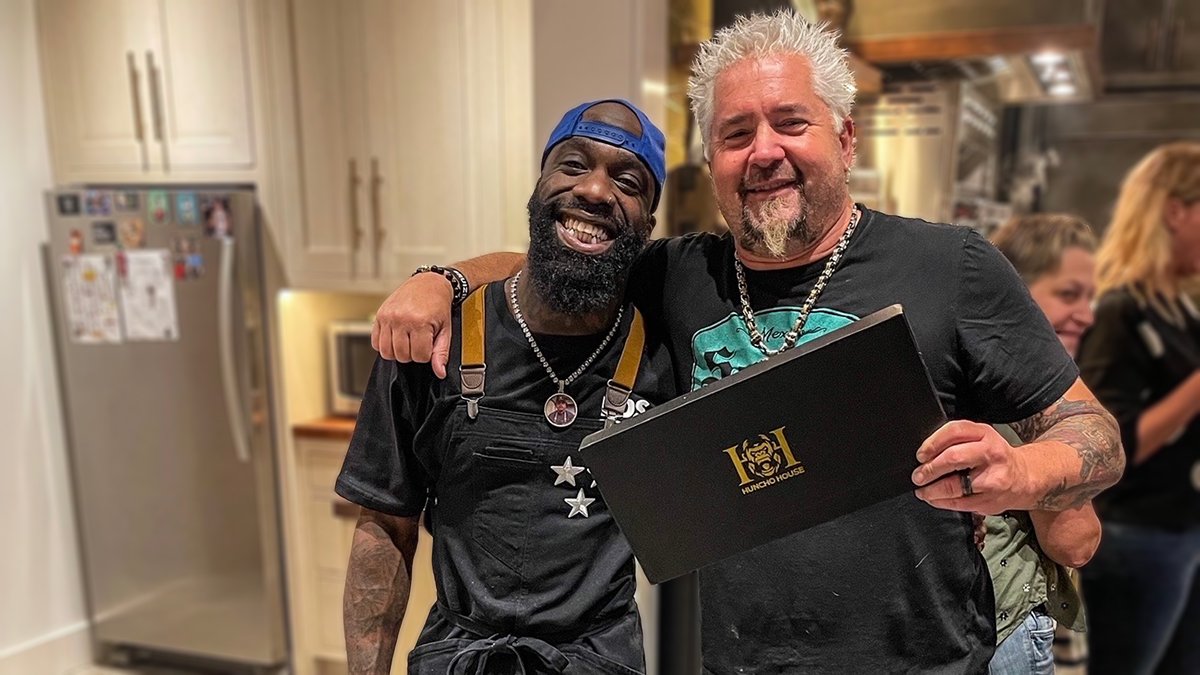
How do you select which West African traditions from your family enter a dish on national television?
I take a West African dish I grew up on and put my American spin on it. West African food is often cooked in bulk and not plated in that way. I take the flavors, herbs, and spices, then build it into a dish Food Network viewers can see differently. I want them to taste West Africa in a way they haven’t before.
How do you balance internet food trends against food that builds long-term trust?
We live in a world where the internet runs everything. Trends run things. But classic food will always remain. Trends fade. Education, passion, and knowledge eventually separate real chefs from temporary moments.

With all the different locales that benefit from your food and business, how do you decide what restaurant city is next and what stays local?
I like going to places people don’t expect. But at the end of the day, you build where people genuinely love food. You choose food cities. The plan is to come back to Houston because Houston has a real food scene.
Do you test dishes in all your restaurants or start with one and let it become an anchor first?
Any dish that makes it to my menu is a dish I’ve practiced in my home 50 times. I start with a vision of what I want it to taste like and look like, then execute it. If it doesn’t come out how I envisioned, I go back to the drawing board. It also has to fit the concept and the demographic. And my staff needs to be able to execute it at the same level. I think through it for months before any dish reaches a menu.

How do you balance your time, TV schedule, and the demands of running restaurants while still protecting time to be creative?
Creating takes me out of negative spaces and gives me grounding. I always take time daily to cook. Sometimes it’s one hour, sometimes more, depending on what I’m making.
Outside of cooking, television, and the restaurant, what do you do to find peace?
Cooking is my peace. Creating menus and telling my story through dishes gives me peace. I also love fashion and being a dad. After my accident, the only thing that made me happy beyond family support was cooking.
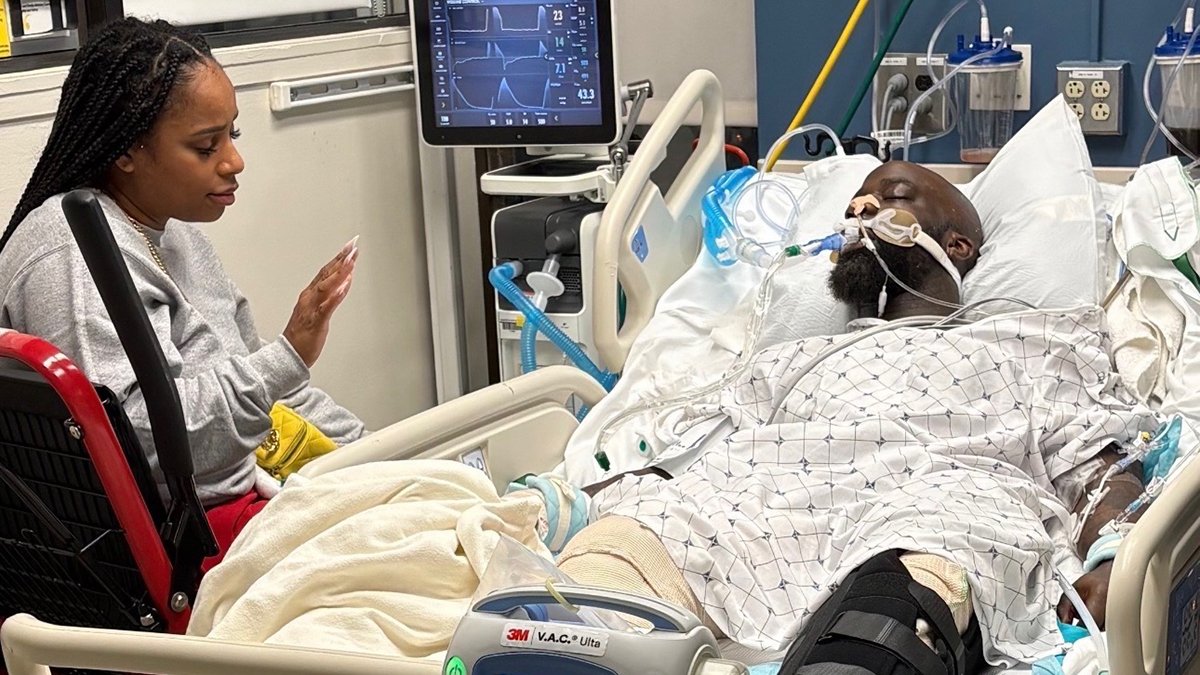
With everything you’ve been through, how do you maintain a positive outlook despite the violent incident that happened in the community?
I believe everything happens for a reason. I feel like messages from God often come through messengers. I’m one of those messengers. I’ve talked so much about growth that if I responded with anger, I would be breaking what I teach. I was given a second chance at life. I want to teach young people that bad things can happen, but that doesn’t stop elevation. It can make you wiser and stronger.
What do you want your legacy in the culinary world to be within the culture and America overall?
I want my legacy to be that I was a chef who changed the game, created his own lane, and touched every culture and palate. I’m not here to feed a color. I’m here to feed people. I want to go down as one of the best chefs to ever walk this planet. Anthony Bourdain is one of my favorites because he was authentically himself. I want to open a lane that wasn’t open before.

What led to your decision to be baptized, and what role does faith play in your success?
I don’t care what platform I’m on. I always remind people that I’m here because of the grace of God. People don’t escape what happened to me. Outside of minor injuries, I’m still able to walk, talk, and cook. I wanted to give my life back to Christ because I didn’t thank Him enough for saving my life. When you stop trying to drive the car and let Him lead, He will take you places you never thought you could go. I was shot nine times in my lower body, and I can still take steps people never get the opportunity to take. Baptism was my way of giving thanks, publicly.
Be’n Original