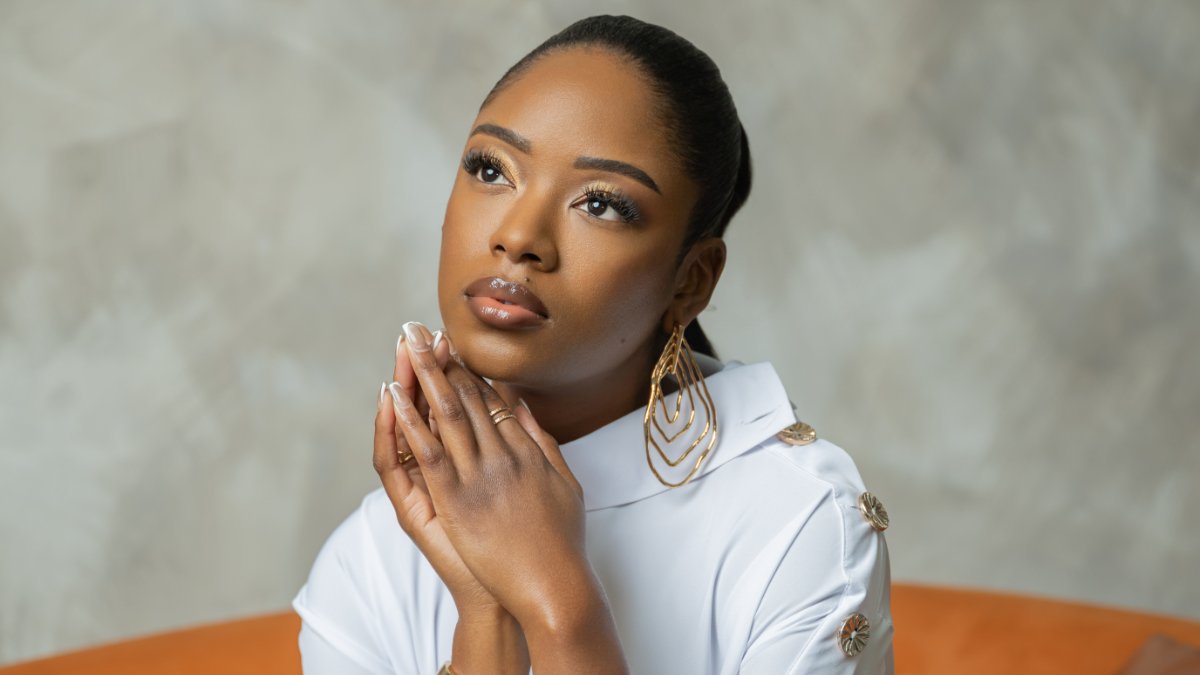
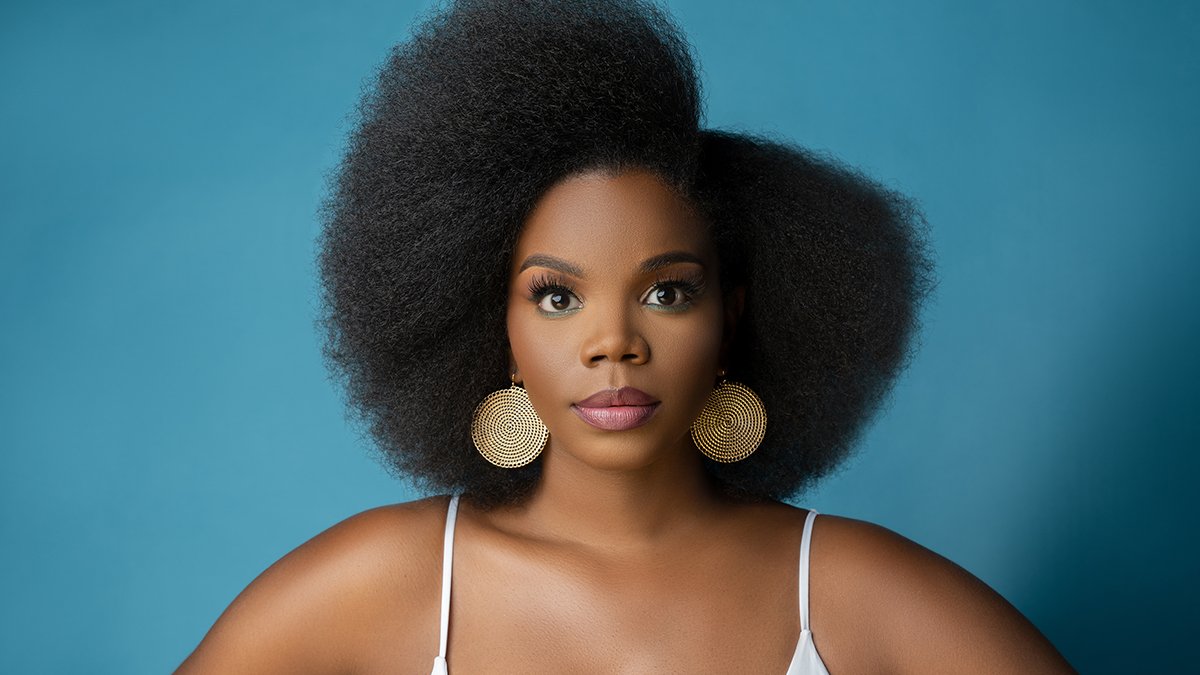
Brittany Inge has built a career across television and theater, with roles on “Atlanta,” “The Ms. Pat Show,” and “Elsbeth.” In this interview, she discusses choosing roles that reflect intention and representation.
What made you decide to pursue a career in acting?
I’ve always been an artist. I started focusing on music, specifically singing. I attended Duke Ellington School of the Arts in Washington, D.C., where I was in the vocal department, and later earned a degree in music from Spelman College in Atlanta.
After I left school, there weren’t many musical opportunities that weren’t also connected to theater. I honestly stumbled into a community theater setting and got bitten by the acting bug. I started studying, taking classes, and doing intensives and became completely obsessed with this form of storytelling. That’s what ultimately led me to acting.
What was your approach to preparing for your most recent role, and how did it differ from earlier projects?
My most recent role was Julia on Elsbeth. A lot of the preparation involved studying the script and really diving into who I believed she was. Her scenes are very specific and focus heavily on her relationship with her father.
I did my own work to flesh out who this 27-year-old software engineer living in New York City might be. I reflected on who I was at 27, since I’m not that age anymore, and used that as a way in. The process didn’t really differ from other roles. I treat every character like their own person and collaborate with what the script gives me to discover who they are.
Youíve appeared in series such as Atlanta, Dynasty, The Game, and The Resident. How do you adapt your performance across genres?
Those are all television shows, and for me, the biggest shift is between television and theater. The foundation is always truth, honesty, being grounded, and listening to your scene partner. That applies everywhere. In the theater, I feel like I can be bigger and more expansive in my reactions and responses. On camera, things are more contained. But the truth bleeds through all mediums. My approach is always rooted in honesty and staying grounded.
How do you evaluate a script when deciding whether a role is right for you?
I look at whether the story excites me and if it feels like it could have a positive impact. That doesn’t mean the character has to be perfect, but I consider whether the overall story is a positive representation, especially as a Black woman. I also think about who’s attached to the project. Someone once told me to look at the three Ps: the people, the pay, and the project. I weigh all of that before making a decision.
How has working in television and film shaped your understanding of collaboration?
I started in theater, which is very much an actor’s medium. Television is more of a writer’s medium, so you have to yield to the writer’s words while still finding your voice.
Great writers and directors are open to hearing your perspective on what a character might say or do. When you’re working with great people, it’s always collaborative. Everything—from costume design to set design—is about working together to tell the story.
What responsibilities do you feel when portraying characters tied to real social or cultural experiences?
I feel honored. For example, Ashley on The Ms. Pat Show is a proud member of the LGBTQIA+ community. I take that representation seriously, but I also lead with her humanity.
Who she loves is only one part of who she is. I feel a responsibility and an honor in representing communities that are underrepresented on screen.
What challenges have you faced in the industry, and how have they shaped your choices?
Rejection has been one of the biggest challenges, along with self-doubt. I used to worry that saying no to something might mean missing out.
I’ve had to unlearn that mindset. Now I’m unapologetic with my no, and I view rejection as redirection. I trust the process and believe that what’s meant for me won’t pass me by. That took a lot of inner work.
How do you balance personal growth with the demands of public-facing work?
Because I’m an actor and my instrument is me, it’s not something I consciously balance. I just live my life. As I grow, heal, and unlearn things, my artistry is informed by that. Staying grounded, learning about the world, and being intentional about how I live all shape the kind of storyteller I am.
How do you see your work contributing to broader conversations in entertainment?
The roles I choose are how I’m intentional about what I put into the world. Ashley is a therapist. Julia is a software engineer. There aren’t enough Black women in tech represented on screen.
I’ve also played a lawyer on Reasonable Doubt. Even when we don’t see those characters fully in action, representation matters. I want to put out complex and nuanced images of Black women and Black people.
What types of stories or roles are you interested in pursuing next?
I love period pieces and biopics, especially stories about real people. They don’t have to be well-known. Telling real-life journeys reminds us that ordinary people are capable of great things.
Whether it’s someone like Ida B. Wells or Oprah Winfrey, those stories resonate deeply with me. Knowing someone really lived and walked this earth makes the impact hit harder.
Be’n Original