Dior Sovoa’s work begins long before a chair, a mirror, or a finished look. It begins with care. With listening. With an understanding that hair is not just about appearance but about how a woman sees herself when she steps back into the world. For Dior, styling is not performance. It is presence.
Raised in the rhythm of a salon and shaped by his late mother’s influence, Dior learned early that beauty could be a source of strength in life’s hardest moments. That lesson still guides him. Whether working with global icons like Mariah Carey or women building their own paths, his approach remains the same: honor the person first. In every strand, there is intention. In every style, there is a message—one rooted in confidence, dignity, and the belief that everyone deserves to feel seen.
You’ve described hairstyling as storytelling. How do you translate a narrative into a hairstyle for a client or celebrity?
It starts with collaboration. I work closely with the team and, most importantly, with the client. I pay attention to her mood, how she’s feeling that day, and how she wants to present herself when she steps out. Whether she wants to feel sexy, formal, or glamorous, that emotional place is where the narrative begins. From there, we build the look.
How did your mother’s influence shape your vision of beauty and your approach to styling?
My mother was a hairstylist, and watching her work had a huge impact on me. Even while she was struggling with illness, she always carried herself with grace and kept a smile on her face. Seeing that made me want to create the same love for hair that she had. Every time I work, I feel like I’m honoring her and continuing what she started.
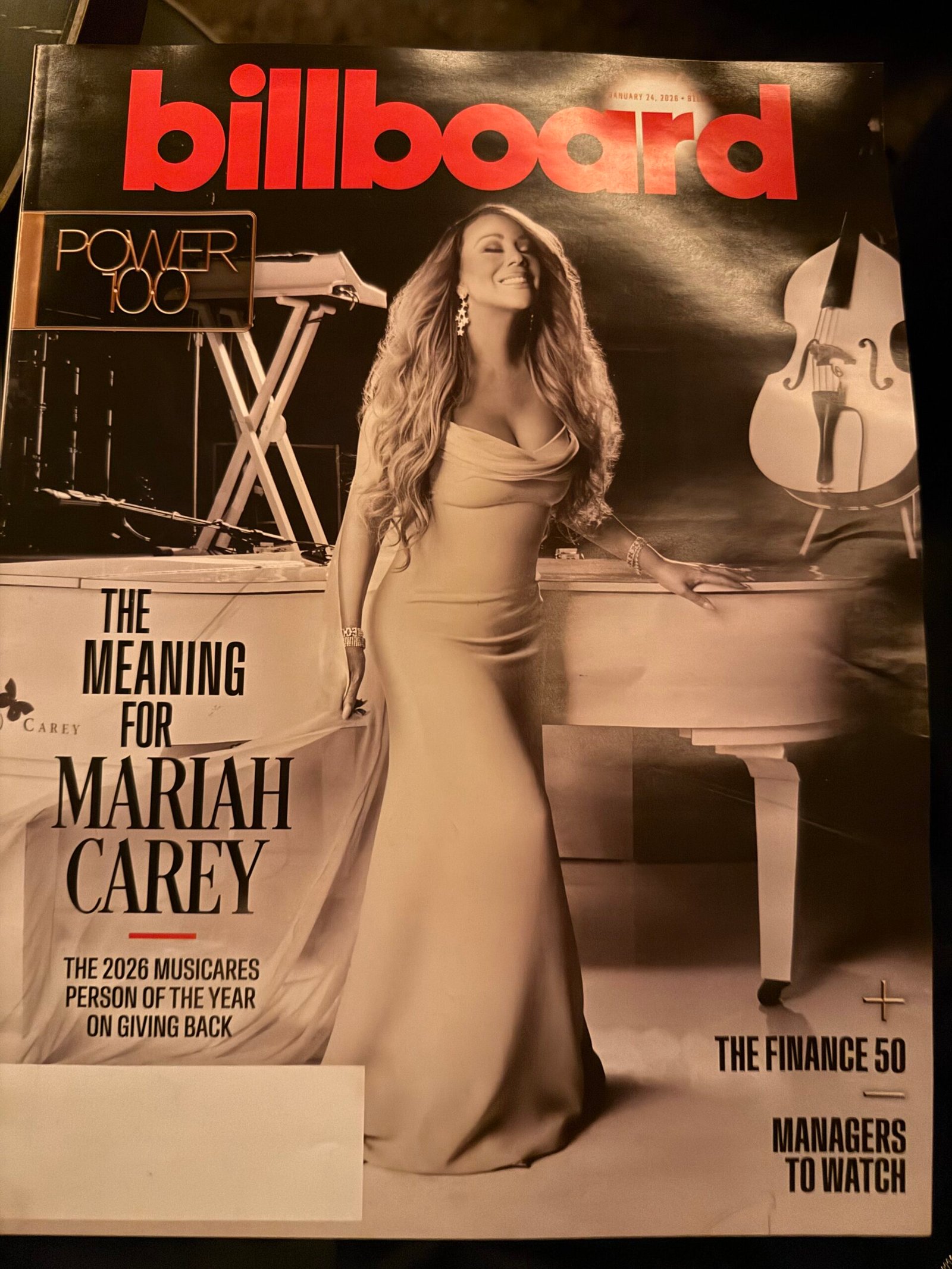
Your work includes the recent Billboard magazine cover of Mariah Carey, along with red carpets and national television appearances. How do you prepare differently for those high-profile projects versus everyday clients?
Before any big job, I center myself. I pray, I meditate, and I prepare my mind for the intensity of the day. High-profile projects are often long, stressful days—sometimes 16 hours—with clients being pulled in multiple directions at once. I go in already knowing that, so I’m not overwhelmed. With everyday clients, the energy is different. The days are usually shorter and less hectic, but preparation is still key. I always make sure I have everything I need.
As an Emmy-nominated stylist, how do you manage creative planning under public and industry expectations?
I don’t focus on public expectations. The public will always have something to say, whether you’re doing well or not. I follow what’s in my heart, how I’m feeling, and what God puts on my spirit creatively. That’s what keeps my work authentic.
How do you make red-carpet-level glamour accessible for entrepreneurs, creators, and leaders who are not public figures?
It starts with how you see yourself. You may not be a public figure to the world, but you can be one to yourself. If you see yourself as someone high-profile, someone working hard and living with intention, that confidence shows. When you create that mindset, you walk out feeling powerful.
What does modern luxury mean to you in hairstyling, and how do you achieve it?
Luxury is hair care. It’s about taking care of your hair, not just making it look good for the moment but preserving it long-term. Healthy hair is the real luxury—knowing when to trim, when to deep condition, and which products are right for your hair. Understanding and maintaining your hair is what allows it to last as long as possible.
Can you share a moment when a hairstyle you created had personal significance beyond aesthetics?
One of the biggest moments was when I styled Donna Brazile during the presidential election. The look went viral because people were used to seeing her in a very different way. The hairstyle I created took about 20 years off her appearance. It ended up being featured across news stations and magazines nationwide. That moment showed me how powerful hair can be.
How do you balance honoring classic beauty influences with creating looks for contemporary culture?
I don’t really separate the two. Looks don’t change—they evolve. Styles from the 30s, 40s, and 50s are still being used today, just with a new twist. That’s true across fashion, music, and beauty. Everything is constantly being revamped, so I don’t overthink it.
What challenges have you faced in translating your work for celebrities to more routine styling services?
It’s about understanding the client’s lifestyle. Celebrities often have their hair done daily and have unlimited access to maintenance. Everyday clients might come in once a week or every two weeks. My job is to create styles that still make them feel like a celebrity while being realistic about upkeep and budget.
Looking ahead, how do you see the role of hairstyling evolving in fashion, media, and personal identity?
Hair will always evolve, but it will also stay the same at its core. There will always be an elevated shift. Who knows—maybe in 10 or 20 years hair will be moving on its own. We grew up watching The Jetsons, so anything is possible. I’m excited to stick around and see where it goes.
Be’n Original