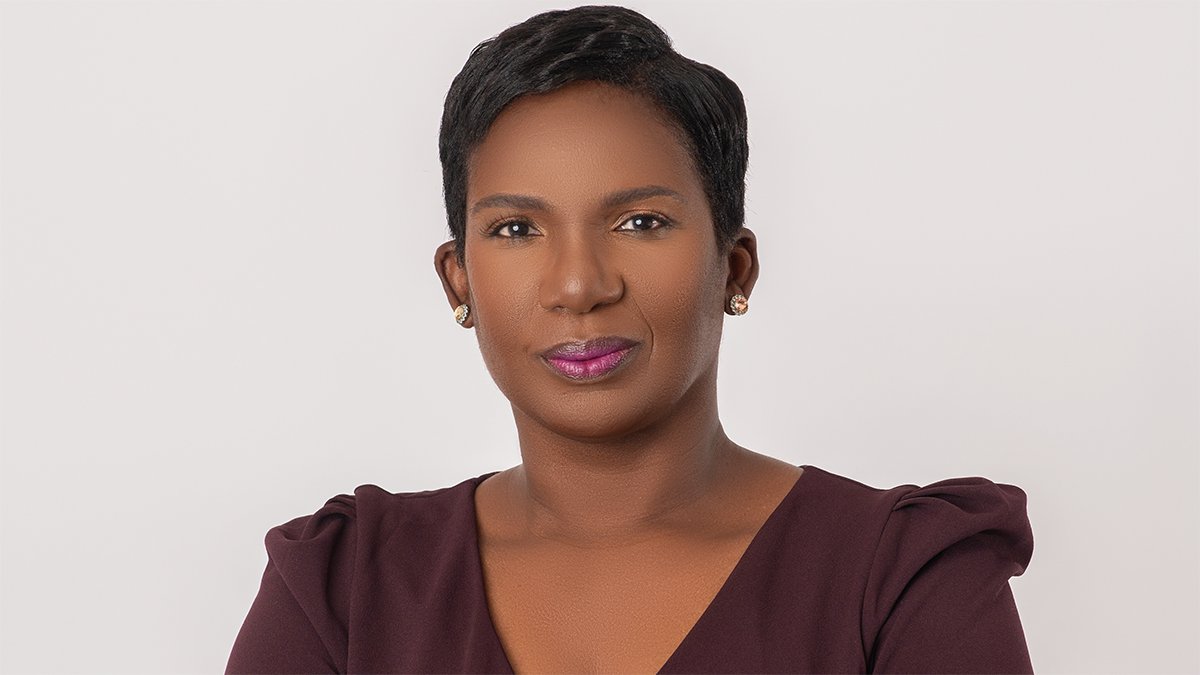

Filmmaker and visual artist Jada George discusses her creative roots, the forthcoming debut of her powerful, critically acclaimed short film “Where the Children Go to Play,” produced by Twin Pine Productions, and her evolving journey as a director.
How did growing up in Annapolis shape your perspective as an artist and filmmaker?
I grew up in a really historical city, so at an early age I understood the importance of documenting. When you document things, they last forever. That’s where I first developed my eye—realizing how you can perceive the world through your own lens and connect to people who may never visit the same places. My parents are artists themselves. My dad has been a DJ for as long as I can remember, so I’ve always had a connection to music. My mom was the one who first introduced me to a camera. I grew up in a household that encouraged artistry, and that kind of creative environment shaped how I see the world.
What experiences as a director most influenced your own approach behind the camera?
I’ve worked under director Pete Chapman for the last four years. I joke that it’s my version of film school—I call it the “Pete Chapman University of Film.” He’s big on preparation and believes in over-prepping so that by the time you get to set, everyone knows what’s going on. Watching how he leads has opened doors for me and shaped my approach to storytelling. His emphasis on detail taught me how to make a set flow effortlessly.
What inspired you to make Where the Children Go to Play as your first film?
There was a real sense of urgency behind this story because it relates so much to the society we live in today. One of the biggest themes is reproductive rights. The film takes place in a world where AI determines who is suitable to be stewards of the new human race — who can reproduce — and you have to pass a test. That connects directly to how politicians control access to proper health care. The story needed to be told because technology is evolving faster than we can keep up with. I wanted to explore what happens when technology designed to help us begins to control us.
How do you define socially conscious storytelling in your work?
I like to do it in a way that feels extremely close—like it could happen tomorrow. That’s why I gravitate toward socially conscious work. It reminds me of Black Mirror or What Happened to Monday. I like that eerie sense of realism where people can see themselves in the story. My goal is to start conversations—to get people talking about the systems we live in and the morality behind them.
What challenges did you face moving from assistant work to directing your own project?
It was about figuring out my priorities and focusing on my own work. I was used to being behind the director’s chair, learning and getting practice without the pressure of being the one in charge. When you’re the director, how you show up on set affects your crew. This project was my chance to put everything I learned under Pete’s leadership to the test. It was a major step in introducing myself to the world as a director and learning that every decision I make sets the tone for everyone else
How does Los Angeles provide opportunities or pressures for emerging filmmakers?
When I first moved to Los Angeles, I immediately felt at home. I live right next to Paramount Pictures, and every morning I walk past the gates—that’s untouchable inspiration. You pass Netflix, Paramount, and other studios that produce the projects you dream of directing. There’s so much history here; you realize you’re walking the same streets as the filmmakers who inspired you. The city is full of opportunity, but you have to be ready to seize it. You never know who you’ll meet in a coffee shop, library, or studio, and that’s part of the magic of L.A.
How do you balance the visual art side of your career with directing?
I started in photography, and I’m always composing shots, even when I’m walking down the street. I live in a visual world. When I was a student at Hampton University, I realized I learn best through visuals. That’s carried into filmmaking. I use tools like Shot Deck to study frames from movies and often watch films with no sound just to focus on the visuals. That’s where I find my inspiration—showing people the world through my eyes.
What role do you hope your debut film will play in conversations about independent cinema?
I hope it encourages people to go out and make things. Independent filmmaking gives you the freedom to create without too many people telling you no or asking you to change something. When you work within a studio system, every project passes through multiple layers: the studio, the network, and the showrunner. But in independent film, it’s you and your team. You can say what you want to say, execute it how you want, and let your authentic voice come through. If you have an idea, don’t overthink it. Execute it. This is the moment to make things that reflect your truth.
What do you want audiences to take away from “Where the Children Go to Play” as far as the overall message?
I hope it sparks conversation about justice, freedom, and survival. I want audiences to connect with our characters, Sevin Thomas and Solana Jackson, and reflect on how they’d respond in that world. Some of the questions the characters face are meant to make the audience stop and think—if they were in that position, would they pass the test or fail it, and why? If we continue putting power in the wrong hands, it will do us all a disservice. We should lead with kindness and allow people not just to survive but to live. I hope people pause and think about where humanity is headed and maybe take a breath before letting technology move too far ahead of us.
Be’n Original