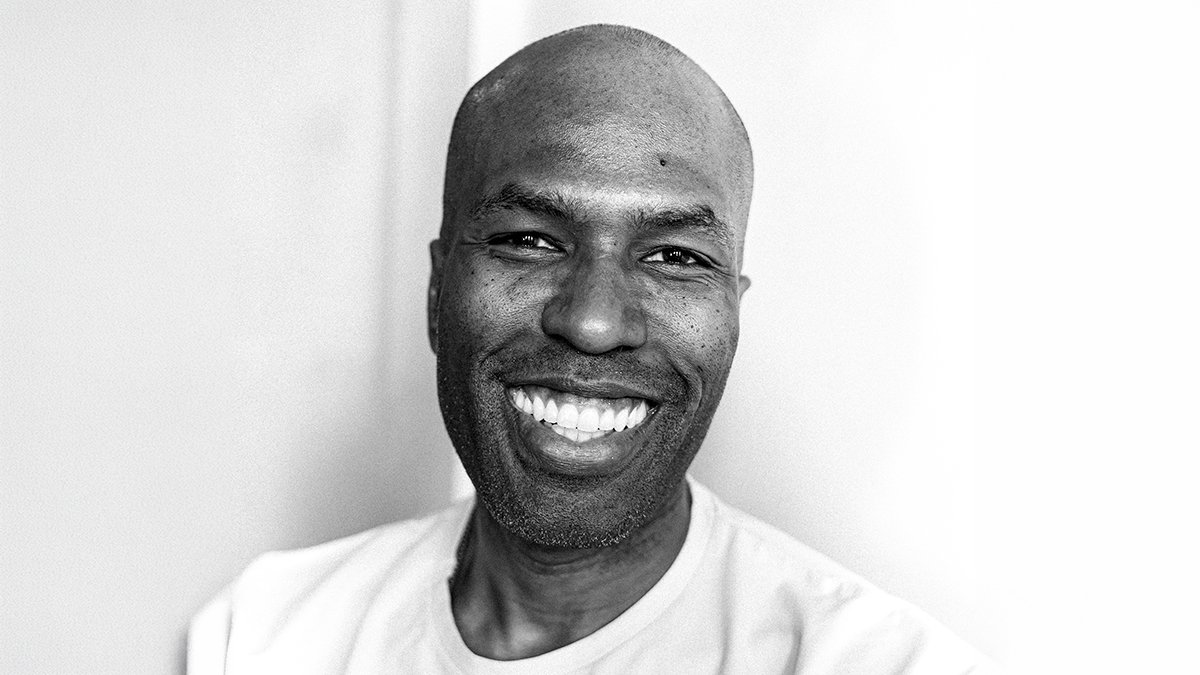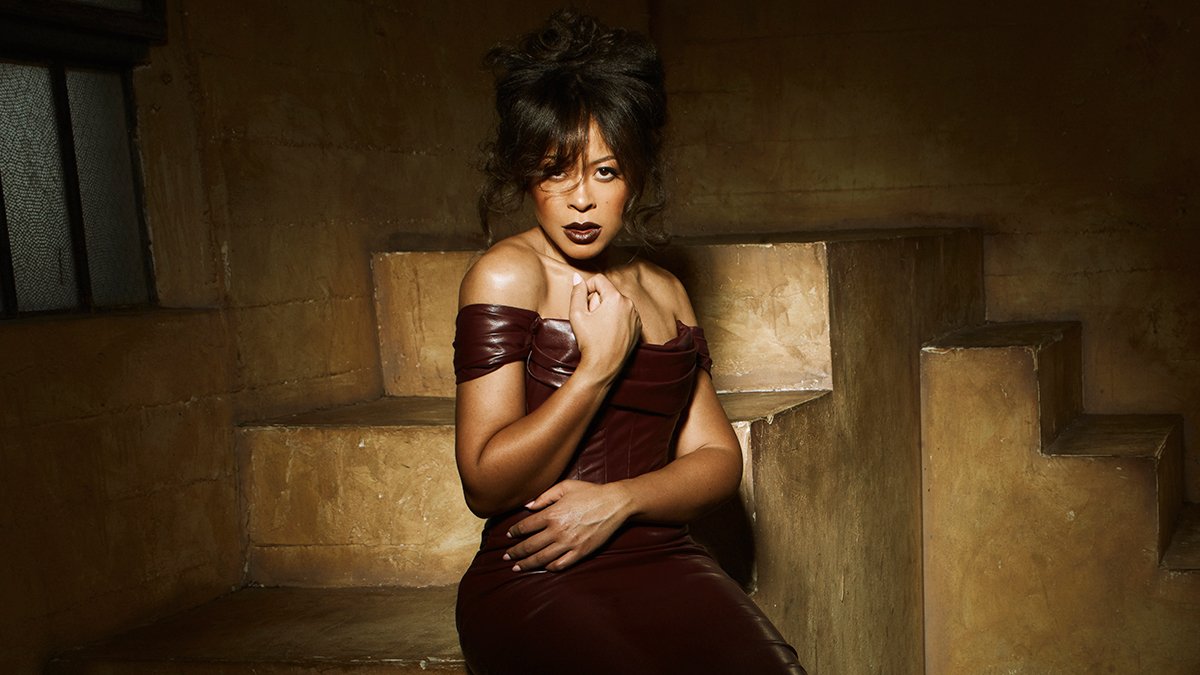

Tanisha Jones, a Harlem-born entertainment veteran, has spent 30 years shaping careers with her sharp eye and no-nonsense approach. Her journey reveals what it takes to thrive in today’s industry.
You’ve built a three-decade career working across television production, talent booking, and brand partnerships. What first drew you into the entertainment industry?
Oh boy, I’ve been in the entertainment business since high school—literally since I was 16. Growing up in Harlem and going to school in the Bronx, I had friends all over the boroughs. I was connected to Father MC, the first artist I worked with from a business standpoint. Through that circle, I met Jodeci, Puffy, and others. Organically, I started fashion styling—that’s how I got into the business. By 17, I was styling music videos for Def Jam artists while still in high school. Back then, we didn’t talk about age; we just got in where we fit in. And being from Harlem, style was in our DNA. I styled artists like Redman and Keith Murray and even worked with Biggie when I was an assistant fashion editor at The Source magazine. Fashion and styling were my entry points.
As co-founder and president of your company, what core values guide your approach to talent management and brand alignment?
Integrity and experience. We respect each other’s disciplines and work with colleagues who have proven, longstanding careers. That’s why we’re called “The Alumni”—everyone affiliated with our agency has a track record of success in their field. We bring that wealth of knowledge and diversity of experience to our clients, helping them launch or relaunch their best selves.
You’ve worked with major media companies like Essence, BET, and Nickelodeon. How did these experiences shape your leadership style?
Early in urban entertainment, we wore many hats and worked as a team across departments. At BET, I helped launch shows like 106 & Park, learning how to take projects from A to Z. Then at Nickelodeon, it was a different world—no cursing or suggestive lyrics, but we still created compelling content. Moving from urban to mainstream and back taught me to adapt and communicate with diverse teams. Now, no matter the client, I can understand their vision.
What are some key elements you consider when matching talent with brands for high-profile campaigns?
Thinking outside the box. I tell talent and brands: Don’t just look at follower counts—focus on content quality. Let’s take chances on emerging talent and give legends opportunities, too. We select professionals who consistently arrive on time, deliver high-quality content, and innovate—not just the obvious choices.
Many executives credit relationships as the foundation of success. How have you maintained strong ties with celebrity talent and corporate partners?
I treat celebrity talent as coworkers—we’re mutually beneficial. Celebrity talent is coworkers. We both are mutually beneficial to each other. That realistic approach has kept relationships strong. They don’t have to wear a mask with me. They don’t have to keep a mask on. I think that’s the only way to deal with them—just say we’re both trying to produce the best content, the best television, the best music that we can as a team.
And with colleagues, the camaraderie from the ’90s is real. The camaraderie that we formed back in the early ’90s is real. There are certain top executives or top attorneys I can call and say, “Hey, I need a favor,” because they remember what it was like back in the days when all we had was us. I keep it real—no phony relationships. You get the same Tanisha in 2025 as in 1994.
With stage show productions under your belt, what’s your process for creating memorable live events?
It starts with collaborating with talent to curate unique performances. In today’s festival-heavy culture, you need to stand out. We work to create experiences audiences can’t see anywhere else—no press-play shows.
What’s been the most challenging negotiation you’ve encountered, and what did you learn?
[Laughs] I won’t name names—I plan to stay in this business! That’s a trick question. I have never answered who the most difficult negotiation is by name. We’re not doing that. I’m trying to stay in the business. But my philosophy is to identify problems early and be decisive. I’m very quick to identify when we’re going to have a problem and put it on the table. Either this is going to happen or it’s not. This is the final offer. I advocate for both sides, ensuring fairness… And I think they both know that I’m for them both. I’m not trying to play with anybody. I’m not asking talent to do anything ridiculous. That’s why negotiations work: everyone knows I’m not trying to get over on them.
The industry has evolved with the rise of social media influencers. How do you see the relationship between traditional celebrity culture and influencer marketing changing?
There’s a misconception that influencers “pop up” overnight. People like Kai Cenat or Joe Budden put in years of work—it’s just less visible. I love that talent outside major cities now have opportunities, but the grind is still real.
What advice would you offer young professionals entering talent booking and brand strategy?
Grind, but also be gracious. They really just have to grind. I know that people say that over and over again, but the best thing is to just be gracious and treat everybody graciously. Show up on time, be polite, and mind your business. Speak to everybody. Just being polite, being respectful, keeping your word, minding your business—all of those things are things that people pay attention to.
I’ve hired interns from BET who are now successful because they treated people well. I’ve had interns who worked for me since BET that are now successful. And every time I get a project, I still call the same people because I know they’re going to show up on time and treat talent with respect. Hard work and respect open doors.
Looking back, what moment stands out as your defining achievement?
Way back when, I was a stylist working with Eric Sermon, Redman, and Keith Murray. Eric asked, “How do you know so much about music?” I credited my mom’s eclectic taste—even the heavy metal I hated as a kid! He told me, “You need to go into A&R.” That pushed me into music, then TV. Biggie said the same thing: “You know music—why are you just doing clothes?” Their validation changed my career. At 18 or 19, that was pivotal.
BE’N ORIGINAL