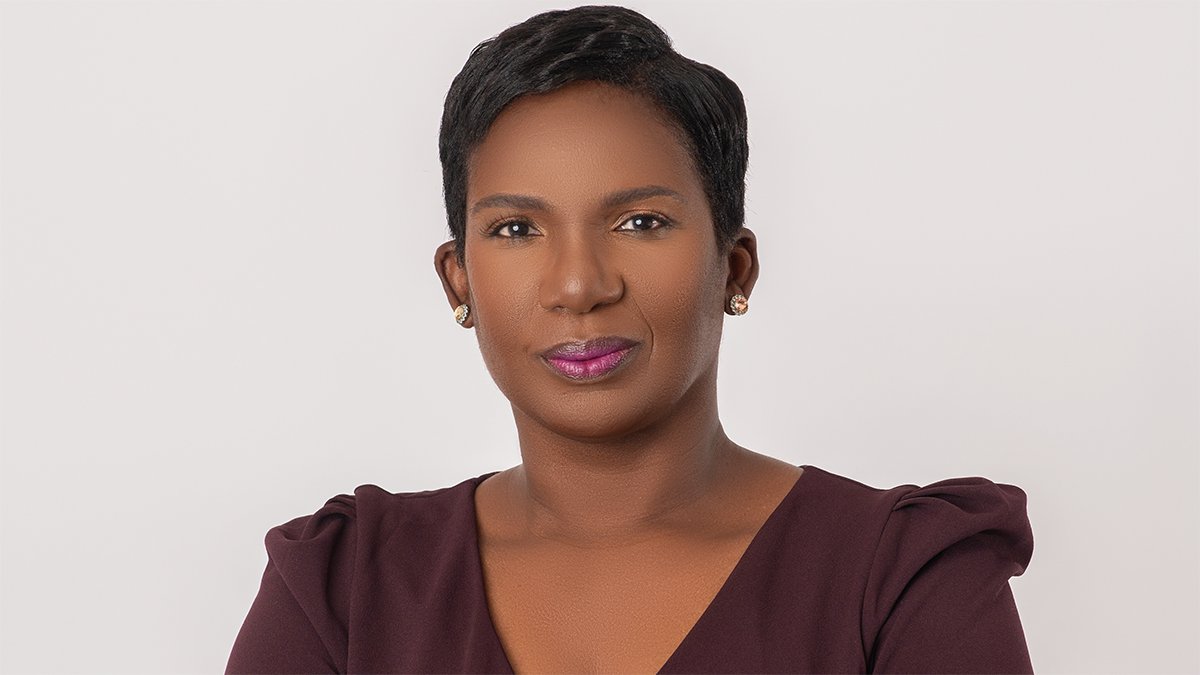
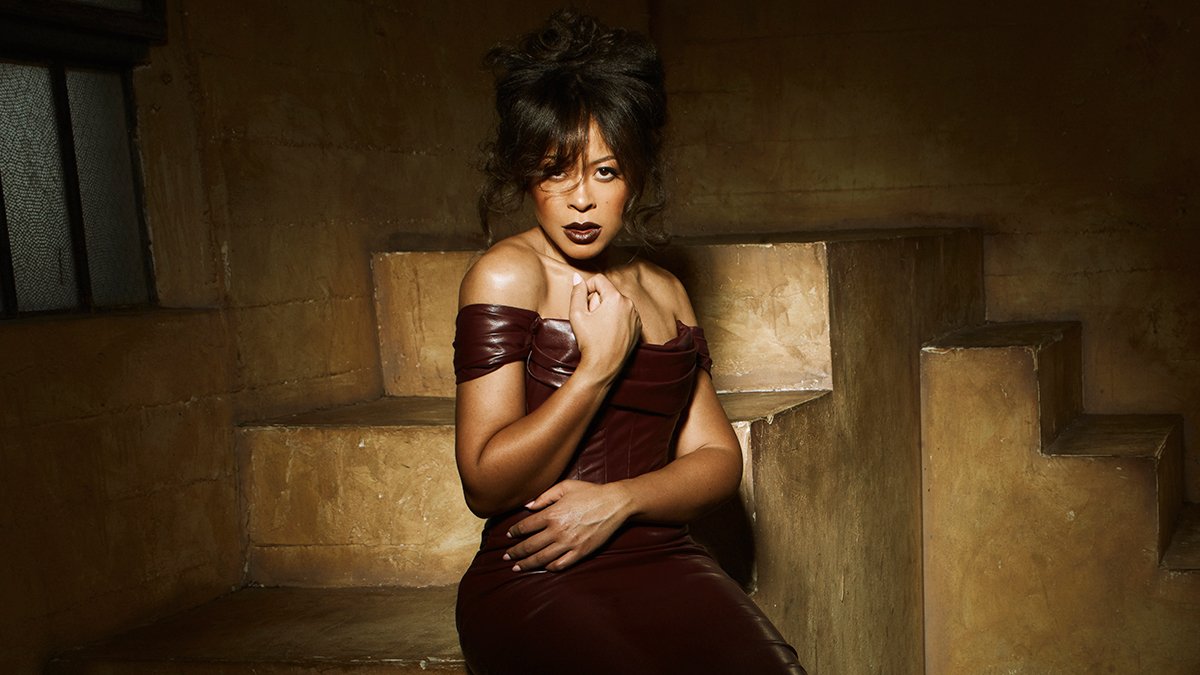
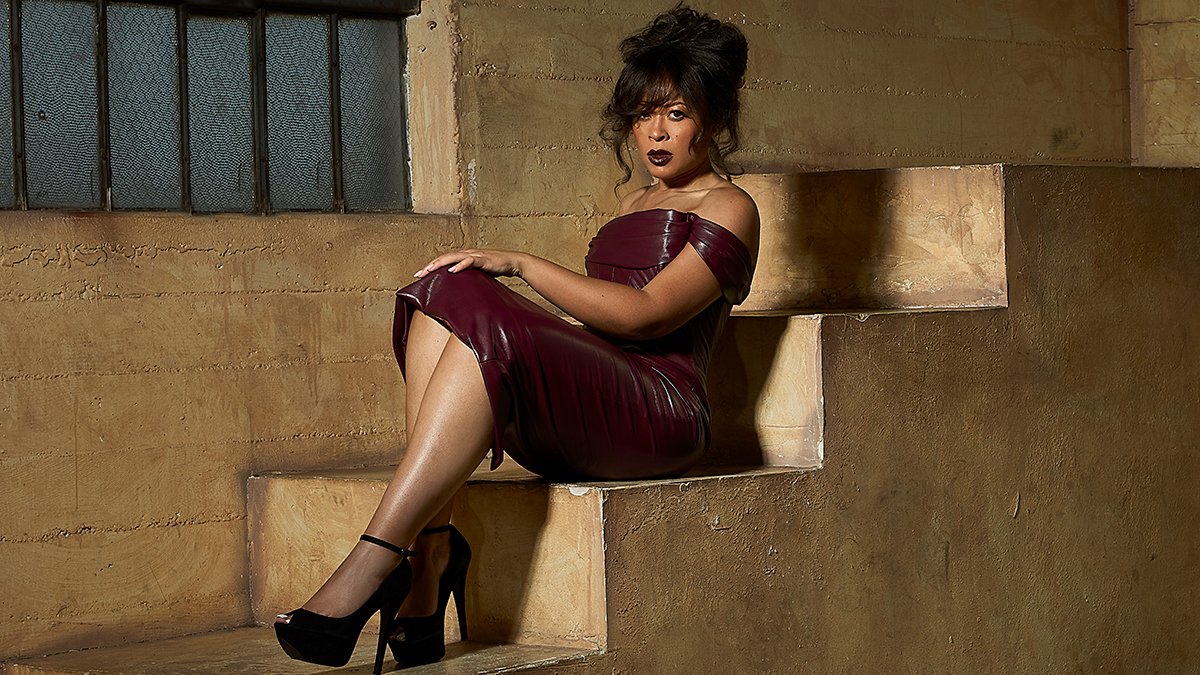
Most artists mark a new release with interviews and tour dates. Felicia Temple used the moment to reflect on something more personal. Her sixth EP, A Soft Place to Land, centers on what she calls “life after love,” a period of reckoning that followed the end of her marriage and forced a deeper look at identity, accountability, and solitude.
Across the project, Temple traces the arc from devotion to distance and, eventually, self-acceptance. Songs such as “Can’t Stop Loving You” frame that emotional shift with restraint rather than spectacle. In this conversation, Temple discusses the realities behind the phrase “life after love,” why time and reflection shaped the writing process, and how the project became a record about learning to become your own “soft place to land.”
After releasing your sixth EP, A Soft Place to Land, you chose to join a surgical mission in the Dominican Republic instead of going on a traditional promotional tour. What ultimately drove that decision?
After dropping my new single, “Can’t Stop Loving You,” I went on a medical mission. It actually happened by accident. It’s been a dream of mine to volunteer on a medical mission for many years. Last summer, a surgeon I know asked if I would like to go. I said yes, even though I didn’t know when I would release the project or what I would be doing at the time.
There was no way I was going to miss that opportunity. It just happened to coincide with the weekend I released a new single from A Soft Place to Land. It ended up being perfect. Most people would be on the road supporting a release, but I want people to see that I live this double life. I’m really enjoying it.
During that time, did the experience of participating in the medical mission influence your music or creative outlook in any way?
Not necessarily. I went on the trip about a week after I released the project. But I’ve been a nurse for 16 years, so nursing and music live side by side in my life.
I wouldn’t say one inspires the other, but working in health care always reminds you of your humanity. In the music industry, you can get lost in the sauce, so to speak. Going back to the hospital, whether you’re working or volunteering, reminds you of the realities of the world. It grounds you in a way that nothing else can.
Over the years, you’ve shared stages with artists such as John Legend, Deborah Cox, and The Roots. What are some of the most important lessons you’ve taken away from those experiences?
It’s incredible to be on stage with people who are where you want to be one day. Deborah Cox is someone whose career trajectory I would love to model. If you haven’t seen her lately, she looks incredible. The voice is insane. She has done traditional R&B, topped the charts, and won awards. She’s also done Broadway, dance, and acting. She has a family, a husband, and three children, and she runs a wine company. She’s just a lovely human being.
When you work with people like that—or share a stage with someone like John Legend—you get a behind-the-scenes look at how they run their lives and their teams. There are many lessons in that.
As an independent artist working outside the major-label system, how do you approach funding, promotion, and distribution for your releases?
My entire independent journey is funded by my nursing career. I’m fortunate to have a career that allows me to invest in myself. I believe if you don’t take the risk on yourself as an artist, no one else should. If you don’t believe your project is worth investing in, how can anyone else?
For distribution, I’ve used many companies—DistroKid, TuneCore, and UnitedMasters. Right now, I’m with Vydia, and I’m really enjoying their service. It’s an invite-only platform.
What central themes anchor A Soft Place to Land, and how do those themes reflect where you are personally and professionally right now?
The project is about introspection—taking a look at yourself and figuring out what life is after love. It’s about learning to love yourself and realizing you have to be your own soft place to land. All my music reflects where I am in life or where I’ve been. It’s one giant diary entry. With this project, I want people to feel a little less alone.
A lot of women in their 30s had dreams about what life would look like, and sometimes things don’t happen that way. It’s OK to learn how to be alone. It’s OK to want love. It’s about accepting where you are.
You often refer to the idea of “life after love” in connection with this project. Can you expand on what that phrase means for you?
I was married for five years and with my ex for eight. We got divorced, and this project tells the full story—from being deeply in love to realizing things are too far gone to save. There’s also the lonely period where you want to fill that void. Then comes accountability and understanding your role in what went wrong. In the end, you realize you have to be your own soft place to land.
There’s a lot of talk today about living the “soft life” or being in a “soft girl era.” I wanted to play on those words and remind people that you have to give yourself that softness first.
A video of you singing and dancing to Mary J. Blige’s “Happy” went viral online. Did you have any sense that the clip would resonate with that many people?
Not at all. I’ve had some popular videos, but that one is number one. It gets millions of views, and every time I repost it, people respond again.
That video showed my real life. I wear that robe every day. I wear that scarf all the time. I’m in my kitchen baking cookies with my drink of choice, completely unbothered. For years, the image people saw of me was very put-together. Growing up as a millennial, superstars were always polished. You never saw them without makeup or relaxing at home. That video was just me being real, and it resonated with millions of people.
At this stage of your career and life, what does success look like for you today?
Honestly, success is here. It’s now. Success means having the ability to release music that resonates with me and is authentic. Of course, you want to grow, but what I have right now is something many artists dream about. I can make the music I want, pay the musicians I want, hire string players, master in Dolby Atmos, and perform where I want. I don’t have to wait for anyone’s permission. That’s the success I always wanted.
When you’re writing songs, how do you decide which emotions or personal experiences are ready to be turned into music?
Some writers create in the middle of whatever they’re going through. For me, I need time to process first. During my divorce, the emotions were too fresh and too raw. Sometimes they were too petty. When you write music, you have to balance telling your story while leaving space for others to see themselves in it.
If it’s too specific, people can’t connect. So I sit with the experience first. Sometimes the music moves me. Sometimes I start at the piano, and the chords tell me what story I’m ready to tell.
Since your earlier releases, in what ways has your audience evolved or expanded over time?
My audience has expanded and grown with me. Some people who started listening around 2014 or 2015 were teenagers. Now they’re nearly 30. I think my catalog brings in different listeners. I have sensual R&B, songwriter-driven music, strong musicianship, and dance tracks. When I released Welcome Home in 2024, it brought in a new audience. Every project introduces me to a different demographic.
Looking ahead, how do you plan to build on the foundation and momentum created by A Soft Place to Land?
I’ll definitely continue working with Obie Brown. He produced the entire project and is my production partner. I’ll also continue writing with RH Sin, a poet and bestselling author who wrote the interludes on the record. Aside from that, I wrote the rest of the project, and Obie handled the music.
This is my best streaming project so far, and it’s only been out for three months. If people are responding this strongly, it tells me we’re on the right track.
With everything you’ve created so far in music and performance, how would you describe where you are personally and creatively in this moment?
I’m at peace with what I’ve done. It’s a beautiful feeling to take an idea in your head and turn it into music, videos, and something people can experience. I’m proud that I took something very painful in my life and transformed it into something meaningful. That brings me a lot of joy.
Be’n Original | Photo Credit: Dallas Logan/Dae Howerton.