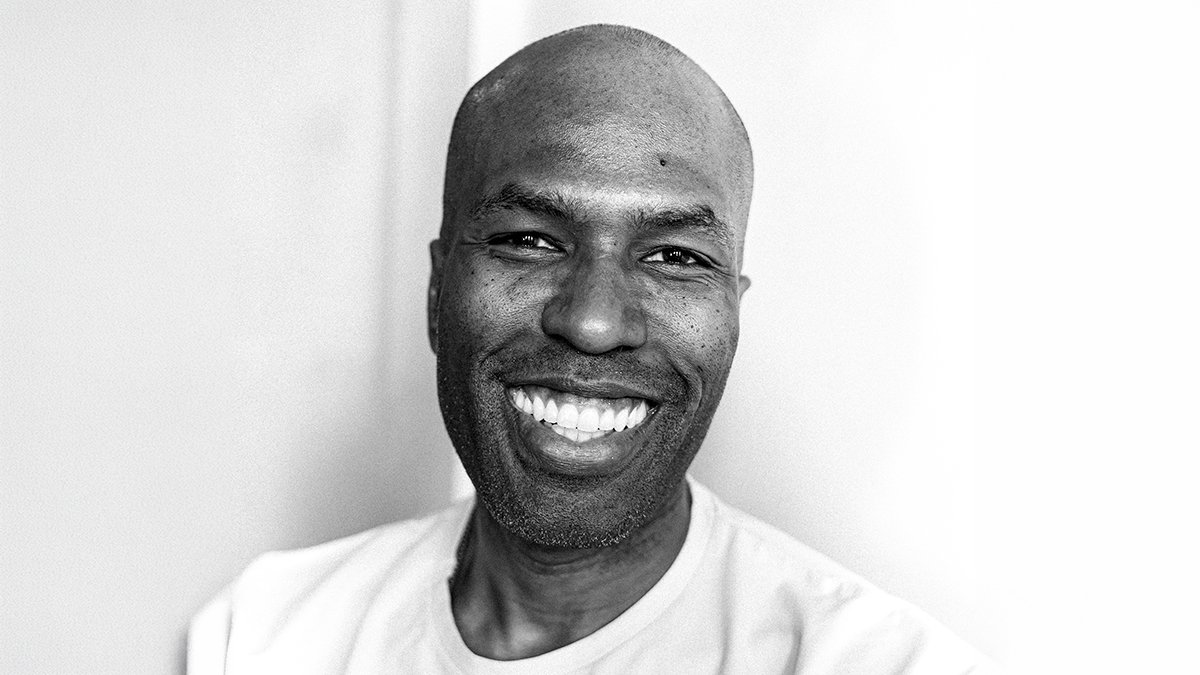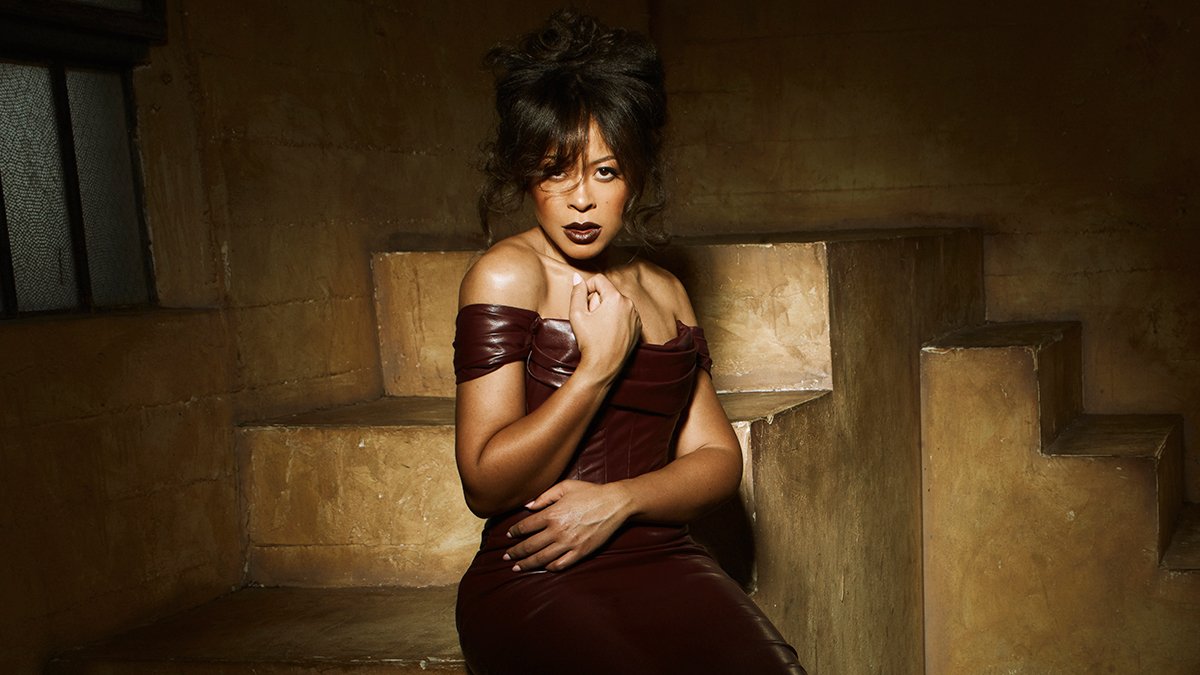

Filmmaker/television producer Jai Harris talks about her storytelling process and her mission to amplify marginalized voices through powerful narratives on justice reform and underserved communities.
What initially sparked your interest in pursuing a career in television and film production?
My grandmother was my first inspiration. She came from New Mexico and was primarily Spanish-speaking – she actually learned English by watching old Westerns. She started working in hotels with her mother when she was around six years old. She told me stories about how she would sneak into the manager’s office to watch these films, mimicking the dialogue. That showed me the power of film early on.
For me, growing up in a tough environment, TV and film became my escape – a way to change my surroundings without leaving home. By the time I was six or seven, watching black-and-white films with my grandmother, I knew I wanted to be a filmmaker. Then, discovering Spike Lee around 1989-90 sealed the deal – seeing him as writer, director, and actor confirmed that I could create the reality I wanted to reside in, and the rest is history.
Can you describe a typical day for you in your current role?
Every day is different. I’ve worked every position – supervising producer, cinematographer, editor, story producer – so my role changes. As a field story producer, I start with cast insights, develop season-long story bibles, and then create daily talking points for field producers to use with the cast. For the past six years in LA post-production, I have taken raw footage and crafted narratives – sometimes distilling six hours into five compelling minutes. I identify key moments, work with editors to polish, then ensure everything is cleared for broadcast – from rights to continuity. My editing background helps immensely; I know exactly what shots we’ll need because I’ve been on every side of the camera.
What is your process for approaching storytelling when beginning a new project?
I’m fundamentally character-driven. Each story requires a unique approach based on its subjects. I’ve been working on a documentary about a world-renowned herbal healer for over a decade. For that project, it’s about honoring his healing legacy while navigating conspiracy theories carefully. For another high-profile project, I have created about a young CEO caught in a Ponzi scheme – it’s revealing the untold sides of his story that challenge public perception. There’s no one formula. Whether it’s someone like my cousin fighting for clemency in our documentary Have Mercy or communities overcoming systemic oppression in our web series, Products of the Plan, the approach must serve the individual’s truth first.
Of all the projects youíve worked on, which one has had the most lasting impact on you personally or professionally, and why?
My documentary projects have impacted me the most. My project about a legendary herbalist remains most meaningful because it’s very personal and there are a lot of stakes involved. When my grandmother was diagnosed with stage-four cancer, this incredible man offered herbal treatments that helped extend her life. In return, I agreed to produce a documentary about his work and legacy. That was our agreement, and witnessing the impact of his remedies solidified my commitment to telling his story. It’s been over a decade of careful work to do his legacy justice.
Despite many obstacles, I secured a development deal with a major company to bring this story and another high-profile project to life. The impact of these projects became the catalyst for launching Free Royalty LLC, a multi-division company spanning production, entertainment, photography, management, education, and more. This summer, we launch Free Royalty Academy to connect rising creatives with industry professionals and equip the next generation to build their own legacies. Our independent series, Products of the Plan, will visit cities across the nation to document how communities turned systemic oppression into creative fuel, showing that the “plan” to destabilize through drugs and gangs ultimately failed. These stories of resilience, including my cousin’s fight for clemency, deserve to be heard. Our mission is to provide the platform and tools for everyone to find their voice and bring their vision to life.

How do you manage to balance your creative vision with the financial and logistical realities of production?
Collaboration is key. My production partner handles logistics and budgets at a major studio, and his expertise allows me to focus fully on creative development within our business. Our management team also oversees budgets, negotiations, and other key areas of the business. Having a strong team is essential and has allowed me to craft compelling pitches, decks, and sizzle reels that have led to development deals. I’ve learned that creative constraints can spark innovation, such as using guerrilla filmmaking techniques for passion projects. However, the real goal is to build sustainable models where creative vision and practical realities work in concert.
In what ways has the rise of streaming platforms changed how you approach your work and reach your audience?
Streaming’s been transformative. While my network shows now appear on platforms, I’m most excited by creators bypassing gatekeepers entirely. Many established producers, myself included, are returning to grassroots distribution, whether through YouTube or our upcoming streaming initiative. This shift returns power to creators. Instead of competing in Netflix’s over-saturated marketplace, we’re building our own platforms to maintain creative control while reaching audiences directly.
Why do you believe that representation, both in front of and behind the camera, is essential in media and storytelling?
Representation shapes truth. In Atlanta, working with diverse crews improved our storytelling tremendously. Now in LA, where I’m often the only Black woman in the room, I see how much gets lost without that perspective. On shows like “Love During Lockup,” I’ve had to advocate for nuanced portrayals of people leaving prison – their vulnerability, family dynamics. Without diverse voices behind the camera, these stories risk becoming exploitative rather than enlightening. That’s why I fight to ensure authentic representation at all levels.
What steps do you take to stay creatively inspired and ahead of trends in the evolving entertainment landscape?
Constant engagement – watching everything from big studio films to indie projects, attending Writers Guild screenings, and supporting emerging creators. I’ve moved from avoiding influences to seeking inspiration everywhere. Social media helps spot trends early, but real innovation comes from community – collaborating with others who push boundaries. My creative process thrives when I’m both student and mentor in this ecosystem.
How can aspiring filmmakers position themselves for a lasting and meaningful career in todayís entertainment industry?
Create relentlessly and unapologetically. Today’s tools – even just your phone – remove traditional barriers. Don’t wait for permission or perfect conditions. I’ve seen projects I quietly released years ago suddenly find their audience. Focus on authentic storytelling, plant those seeds consistently, and trust the process. This industry rewards persistence as much as talent.
Be’n Original