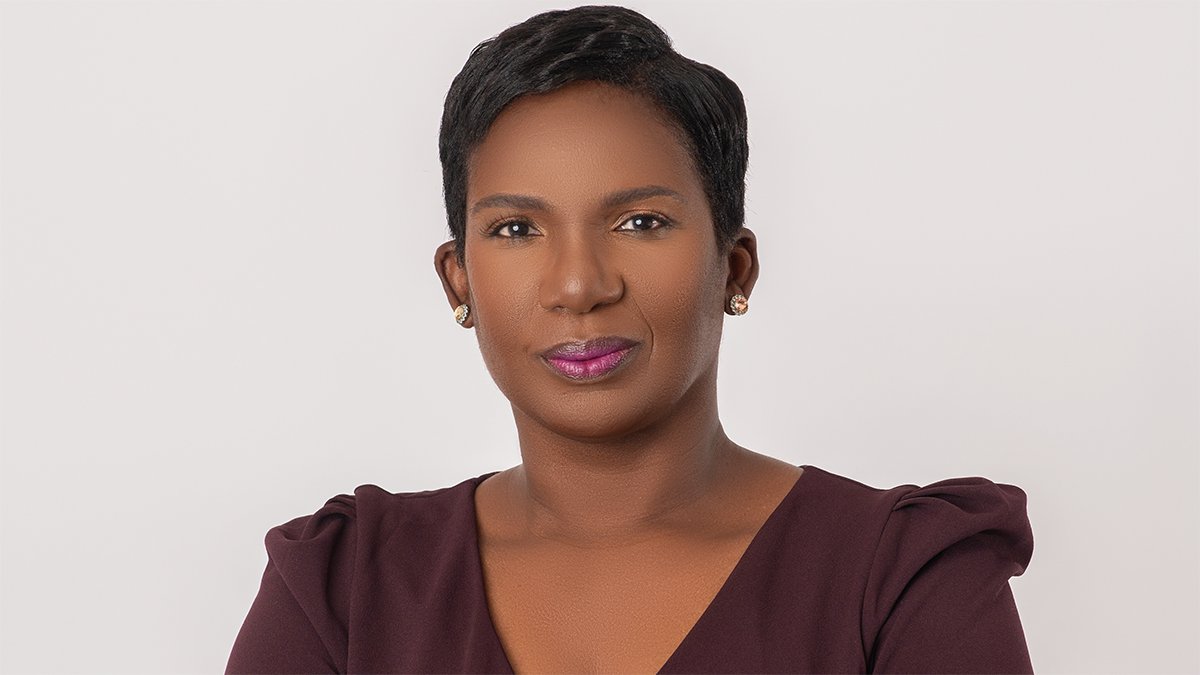

Iantha Richardson arrived at this conversation fresh off completing her “Will Trent” directorial debut, a bold milestone she first sketched onto a Post-it note in 2020. The moment felt profound and deeply personal. Feeling extremely grateful, the achievement marked a powerful shift in her creative journey.
In this interview, she opens up about the life-changing move from actor to director, the transformative lessons that carried her through production, and the expanding influence she brings to the series as its fourth season nears.
Production on your directorial debut wrapped just days ago. How are you feeling now that episode 409 of “Will Trent” is officially in the can?
I feel extremely grateful. This is something I’ve wanted to do for a long time. I’m a big believer in writing out my goals on Post-it notes, and I still have a few from 2020 when I first moved into my house—right in the middle of the pandemic. I wrote down the things I wanted for my life over the next five to ten years, however long it would take. Directing an episode of network TV was on that list before I even joined the show.
So, I feel grateful, supported, and excited. I should get my cut today. I feel great.
What surprised you most about directing after spending several seasons embodying Faith Mitchell?
What surprised me the most was how many people are involved. As an actor—especially after shadowing—I’ve seen the process, but you don’t see the tiny conversations happening in a director’s ear until you’re the one wearing the headset. There are whispers, taps on the shoulder, and nonstop text messages. That was surprising.
From November 17 to November 25, you led the episode of a show that remains ABC’s most-watched multiplatform drama. How did that visibility shape your approach on set?
Working on “This Is Us” gave me the chance to learn from giants like Sterling K. Brown, who’s like a brother. Watching people at that level up close shaped how I move on set—with a sense of community, respect for every part of the crew, and a real care for the craft. It also taught me the importance of being prepared, being on time, and keeping joy in the work. Those lessons carried with me.
“Will Trent” is building momentum heading into its January 6 season four premiere. How does stepping behind the camera now change your relationship to the series?
I hope it gives me a greater hand in the storytelling. Playing Faith has always felt collaborative—the showrunners and writers listen so well, which isn’t always the case. Stepping into directing, I hope to have an even stronger voice in how some stories are shaped.
Your background includes training with the Alvin Ailey Dance Company. How did that experience influence the way you approached movement, blocking, and rhythm as a director?
It’s funny—there’s a party scene in the episode, and I got a lot of emails and questions about musicality and dance movement from the crowd. In my head, it was second nature. I’m a dancer. Music moves through me in waves of rhythm and movement. That part was easy.
Party scenes can be challenging, but my dance background lightened the load. And being a teacher helped too—I knew how to give notes and direction in a way people could grasp. On the flip side, I had to pull back sometimes, especially on regular GBI days. Simplicity is key on our show, so I couldn’t turn everything into choreography. I had to remember that acting comes first.
You’ve acted in acclaimed projects such as “This Is Us,” “Good Trouble,” and the remake of Don’t Tell Mom the Babysitter’s Dead. How did those experiences prepare you for acting and directing in a network drama?
Every show teaches you something—through the people, the scenes, and the environment. On “Good Trouble,” one of my castmates taught me presence and gratitude; she would pray on set in the middle of a scene, and it inspired me.
On “This Is Us,” I learned how to protect the craft. Sometimes you’d be in a heavy emotional scene and hear people laughing—it’s a big set, so noise happens. But I watched a castmate pause and gently ask everyone to respect the moment. That taught me how to advocate for the work. It helps me now, both as an actor and a director.
Your short film “God Is a Black Woman” marked early work behind the camera. What lessons from that project guided you through this episode?
I’ve directed a few short films—God Is a Black Woman was a docu-short, and I also directed J’ouvert and Saving Grace. With God Is a Black Woman, the way I learned to center and protect vulnerable women in the space translates into everything I’ll direct.
With indie projects, you don’t always have the resources to execute every part of your vision, but you can bring all your creativity and intention. On network TV, you have more resources but more hands involved, so the creativity is less pure. Directing this episode meant blending those worlds—keeping creative integrity while collaborating on a bigger machine.

What has been your favorite Faith moment so far?
There are so many. I loved the episode where her mom was kidnapped. The writer added a sense of surrealism that mirrored how our minds are never in just one place. I had a beautiful relationship with my own mother, who passed in 2019, so using some of that in the episode—and giving Faith the redemption of getting her mother back—was meaningful.
I also loved the debutante ball episode. Faith got to dance and find a little romance. It was fun and playful, and I loved bringing that side of her out.
Directing requires a different kind of leadership. How did you find your voice while collaborating with a cast and crew you already knew well?
I naturally enjoy hearing other people’s perspectives. I love when someone throws an idea into the mix and it elevates the moment. Working with our DP, Ramón as an EP, and our camera team was a joy—it showed me how much talent surrounds us.
One thing I want to improve is balancing all those voices while holding my own with full integrity. I think I did well, but there’s room to grow. Still, I loved taking the best parts of everyone’s contributions and shaping the episode.
Many viewers see you as a rising multihyphenate. What does expanding your creative footprint mean at this point in your career?
I’m excited to produce and create my own content. I want to own a production company someday. Someone like Reese Witherspoon with Hello Sunshine is an inspiration.
I love pairing creatives with ideas—book options, concepts I’m developing, or concepts others bring to me. There’s so much opportunity right now for new voices and fresh stories. I want to spearhead my own projects and collaborate on others, whether in film, miniseries, or anything else.
Now that viewers know you as both an actor and director, what do you hope they’ll notice about your storytelling when the episode airs?
I hope they see the vibrancy and the fun, and also the heart and the grief. I represent both as a person—joy and pain—and there’s room for nuance. I think the episode balances those elements in a way people will feel.
This last question is personal—you look way too young to have a child that age. How did it feel in that moment when you yelled at Will Trent over the situation with your son? It felt like a top-tier Black mother moment.
It felt great. It’s not hard to embody a Black woman upset about her son. I don’t have a child, but I have people I’d go to bat for. I pulled from friends who are moms and from my own mother. That “mama bear” instinct comes out naturally. Sitting with what the character felt made it easy to tap into that.
You killed it. The show built up to that moment, and you delivered.
That’s wonderful to hear. Those moments matter, and you want to serve them well. I’m glad it landed.
Be’n Original