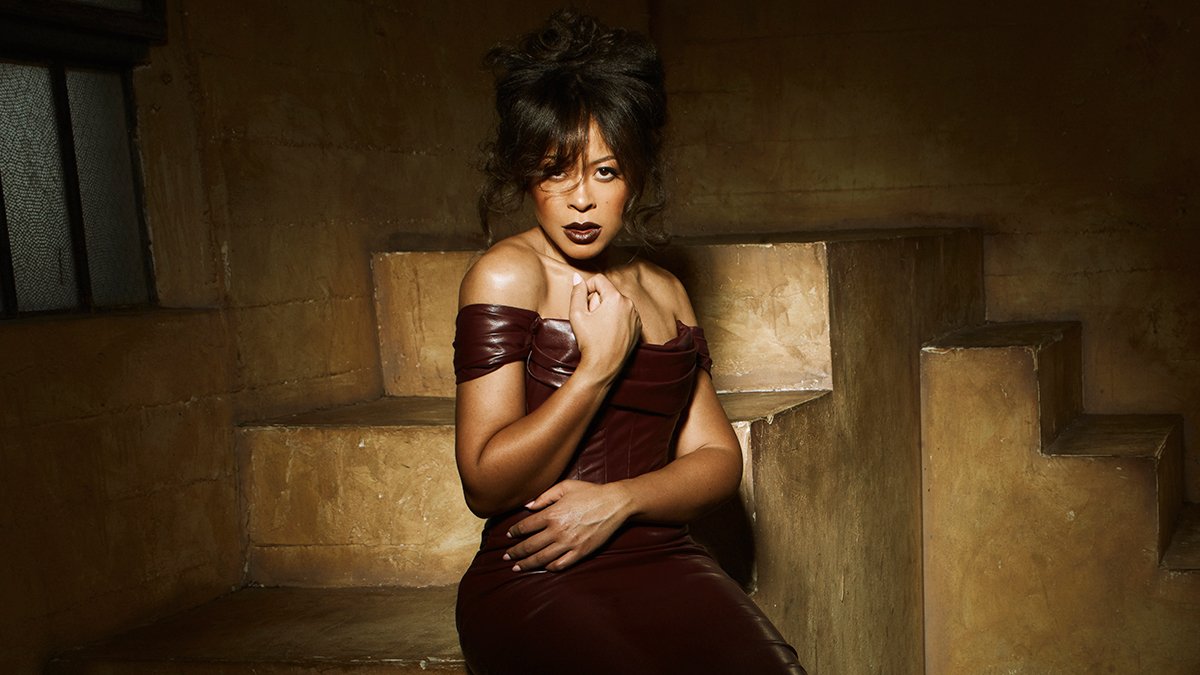

Naya Ali’s voice doesn’t just carry through speakers. It carves its own path. Born in Ethiopia and raised in Montreal, the trilingual rapper has emerged as one of Canada’s most compelling storytellers, blending sharp lyricism with raw honesty and a global perspective. As her star continues to rise, she stands at the intersection of identity, ambition, and artistry, unapologetically charting her own course in a music landscape still learning how to listen. In this conversation, Ali reflects on the power of self-definition, the weight of representation, and the journey that brought her here.
Your latest album marks a new chapter in your artistic evolution. What message were you aiming to convey with this project?
What message am I trying to convey? I don’t know if I’m trying to convey a specific message, but there are certain things I want to say. The album is called “We Did The Damn Thing.” The title itself is bold—it references “we” as opposed to “I,” acknowledging those who came before us and paved the way.
Often, we talk about the first person to do something or the first Black person to achieve something, but that also means they were the first “allowed” to do it. There’s been so much sacrifice, things we take for granted. This album is about giving those people their flowers while also reflecting on my own journey—how far I’ve come as an artist, a person, and a human. It’s easy to get blinded by ambition and always chase the next thing, but this is a celebration of what we’ve accomplished. “We Did The Damn Thing,” and I did it too.
How does this album differ from your earlier work?
I like to push myself. My goal is always, “How do I make the next album better?” With this one, I took the front seat—I produced it, directed it, worked closely with my team, co-produced records, and even vocal produced. It shows my evolution not just as an artist but as a businesswoman, producer, and songwriter. I also focused heavily on lyrics, keeping them simple yet poignant. For the first time, I collaborated with a songwriter, Curtis Richardson from New York, on one of the tracks. This album is about growth in every aspect.
Youíve often spoken about identity and belonging. How do these themes show up in this latest body of work?
There are seven pillars to the album: family, roots, inner reparations, and more. These narratives are part of our history and my personal history. I also incorporated Ethiopian sounds—like an interlude I recorded in Addis, capturing the city’s ambience, children playing, and singing. We even shot the video for “Life” in Ethiopia. My roots are deeply ingrained in this project.
How do your Ethiopian roots and Montreal upbringing influence the sonic landscape of the album?
My Ethiopian roots seep into my work subconsciously—through my DNA, storytelling, and passion. It’s inevitable. Montreal, on the other hand, is a special place with extremes—winters at -40°C and summers at 35°C. That shapes resilience. Growing up in such a multicultural city made me eclectic, and that diversity naturally influences my music.
How has your relationship with your audience evolved since your debut? How did that influence this project?
I’m reaching a far wider audience now, especially with crossover songs like “Life,” “Catch a Vibe,” and “Turning Tables.” But my goal isn’t to be more “pop” or gain listeners—it’s to create good music. If it resonates with more people, that’s a bonus.
If you had to pick one song from this album that defines who you are artistically right now, which would it be?
It’s hard to choose one song that defines me artistically because they all do. Take the intro, Jericho—it’s powerful, with its biblical reference (Break Down the Walls of Jericho). I vocal-produced it with Kim Richardson, an amazing powerhouse vocalist. That track alone is a strong introduction of who I am. But then there’s “The Heist” and others… The album embodies both darkness and light, reflecting the duality in all of us—myself included.
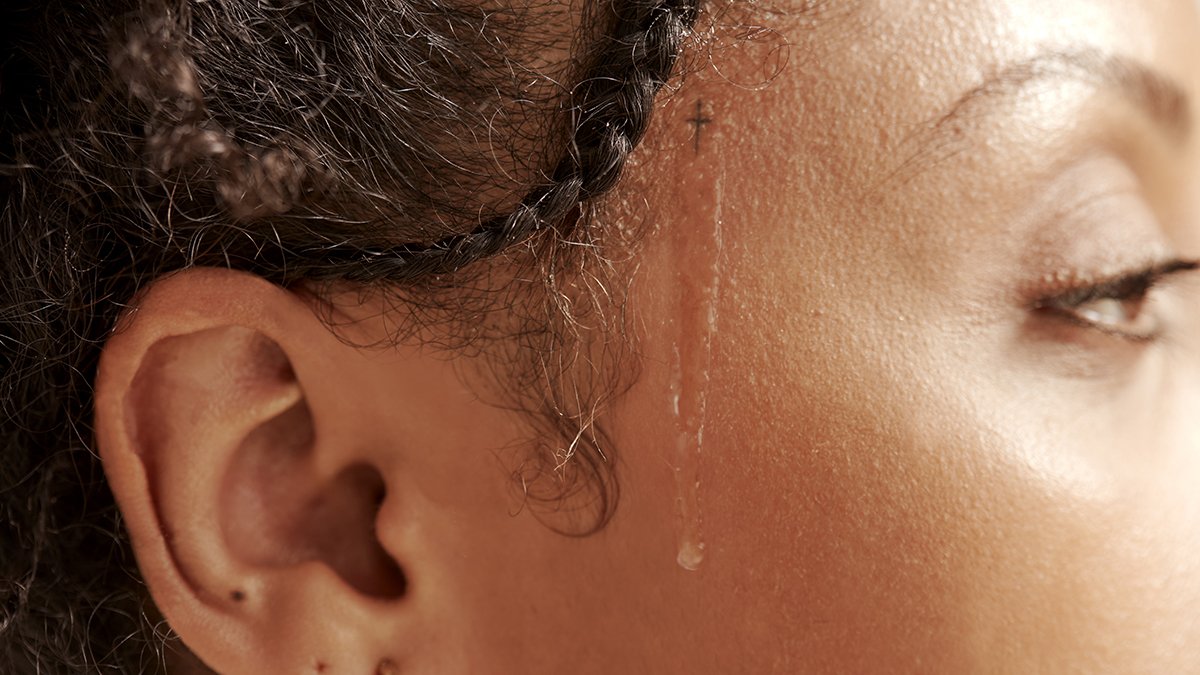
Your visuals are original. How much input do you have in creating them?
It’s definitely a leading role – a collaborative process between me and my creative director, Marianne Vaillancourt, who I’ve worked with from the beginning. Together, we develop the visual direction and concepts, then bring them to life through filming. Film was actually my first love – I studied it before switching to marketing and PR in university. I’m a huge film and visual enthusiast, and I’ve developed strong editing skills that I bring to the process.
Having dope visuals is crucial because packaging matters just as much as the content itself.
Your videos deserve a VMA. They are underrated!
Thank you!
What does success look like to you at this stage?
What does success look like to me at this point in my journey? It’s fundamentally about ownership – not just of my work, but of my creative process and daily life. Waking up each morning with the freedom to pursue my art exactly as I envision it – that’s become my definition of fulfillment. This album perfectly embodies that philosophy. I deliberately chose to create it completely independently first, maintaining full control over every artistic decision. Now, while it’s being distributed through a label, I’ve structured it as a partnership specifically so I retain ownership of my masters. That was non-negotiable for me.
True success means building sustainable creative freedom. It’s about establishing the right foundations – even if that means progress comes more slowly. I’d rather grow at my own pace while maintaining integrity than compromise for quicker results. That patience and principle are what will allow me to keep making meaningful art long-term.
What advice would you give young women from immigrant backgrounds pursuing music?
What advice would I give? It makes me think about what I wish I could tell my younger self. First: Surround yourself with people who reflect your truth—those who help you remember your core when you lose sight of it. Here’s the reality no one tells you: Nobody has all the answers. The only way forward is through action. You have to try. Really try. Every attempt teaches you something—what resonates with you, what doesn’t, where your boundaries are. And failure? It’s not the opposite of success; it’s part of the curriculum. Expect it. Learn from it. Let it strengthen you.
This path demands consistency—showing up even when inspiration doesn’t. And patience, because meaningful growth takes time. But never forget: This is your journey. Approach it with joy. Create for the love of creating, and trust the process. The rest will follow.
Be’n Original