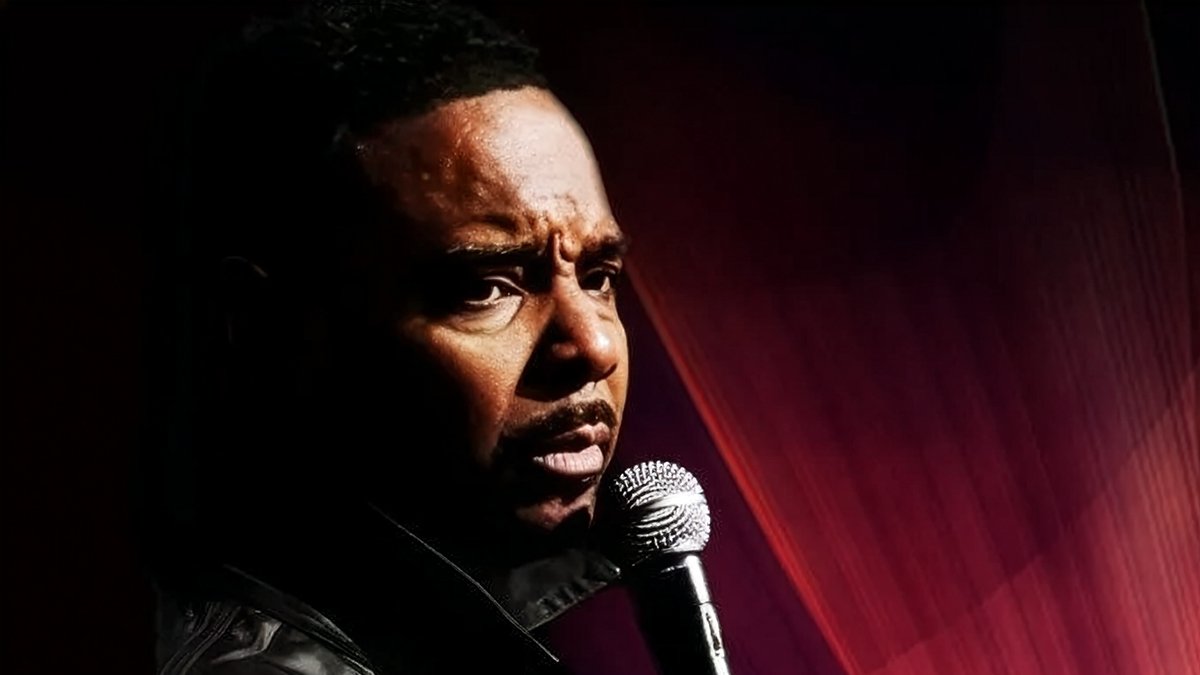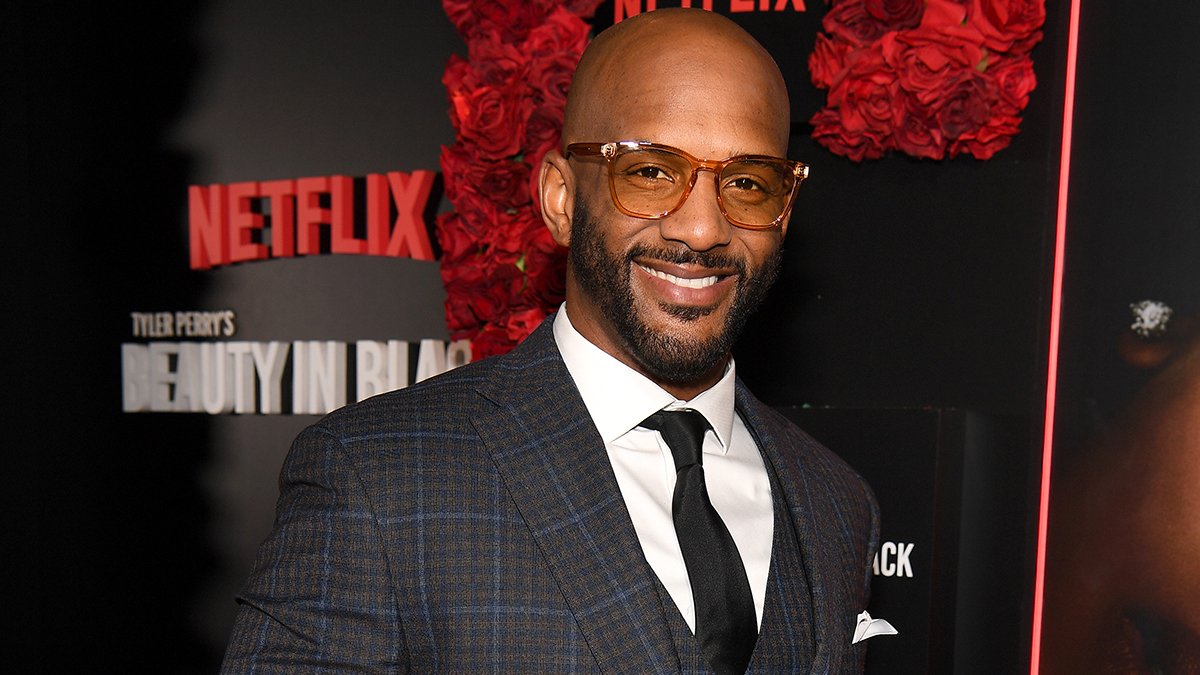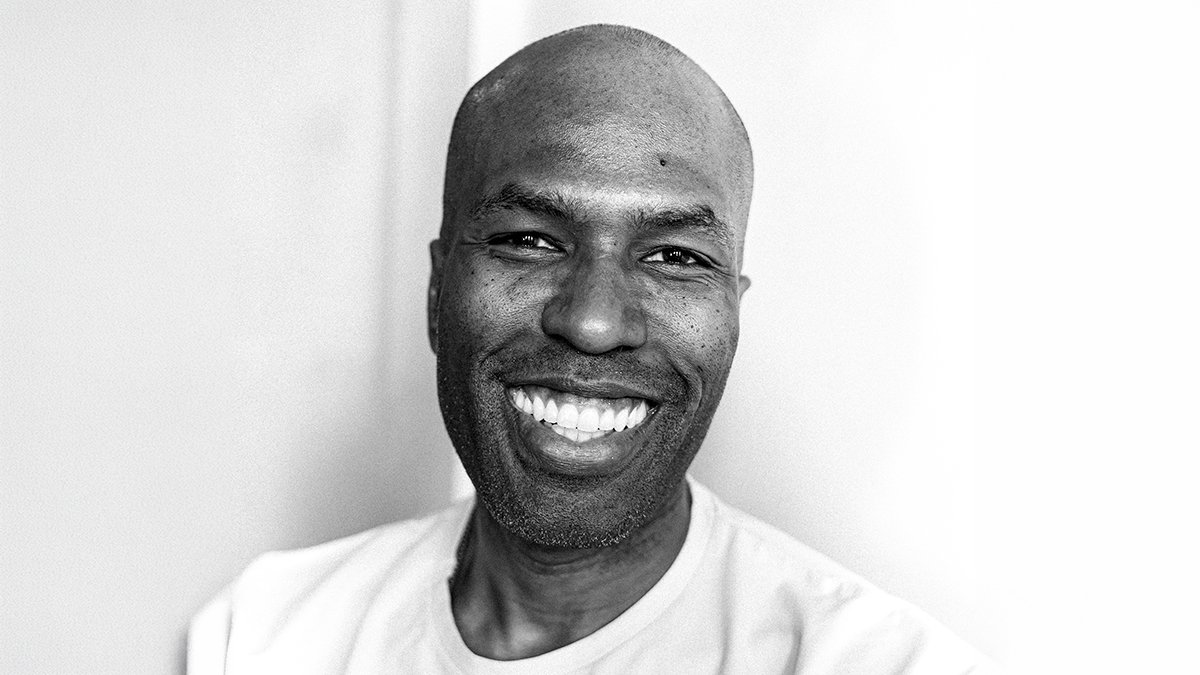

From the BET show “Diarra from Detroit” to “Tyler Perry’s Divorce in Black,” actor, photographer, and filmmaker Shannon Wallace has brought many of our favorite characters to life. He’s definitely someone to watch for 2026.
What first moved you towards acting, and when did you decide to pursue it as a career?
A few small moments led me here. In eighth grade, I skipped basketball practice, ran to the cafeteria, auditioned for the school play, then ran back. I got the part but couldn’t do it because the play fell on a game day.
In college, a friend in the theater program showed me people were studying acting and getting degrees in it. After graduation, I met Larenz Tate, my favorite actor at the time, and saw he was just a man like me. Those three moments were the breadcrumbs that pushed me to try acting after college.
What did Diarra from Detroit teach you as a series regular during the first season?

That’s a good question. I don’t know that I learned much from the first season because of the nature of my character. I was there without being there, you know? I kind of got off easy. I really didn’t work as much as I was used to as a regular… But we just finished our second season a couple of months ago, and I learned a lot. I learned more in the second season than in the first. I was able to stretch out much more… I was given a lot of responsibility, and I surprised myself. I think I surprised the team. I surprised everybody with what I was able to pull off.
It felt really good being able to do the things they allowed me to do. Their confidence in me gave me a ton of confidence. Even though I came in at level 10, their reassurance allowed me to stretch a little bit and do things differently. But the first season, to me, was too easy. I didn’t really leave satisfied after our first season.
How did you prepare for your role in Tyler Perry’s Divorce in the Black?
I had worked in television, where scripts come weekly, so a film was new for me. Getting the full script at the start let me see the whole arc and build the role from beginning to end. My character Jim supported his friend Dallas and his wife Rona, so I focused on knowing the actors I supported. I spent time with Taylor Polidore Williams, who played my wife, and with Cory Hardrict, who played Dallas. My approach is “no acting required,” so I tried to create off-screen the steady presence Jim had on-screen. That work paid off, and those relationships have become friendships beyond the film.
What stands out from your experiences on Beauty in Black?
Beauty in Black was interesting because, initially, we were supposed to finish in three weeks. We ended up taking six weeks, which was fascinating to me. It felt like every day we were given more time. Though I had been preparing for a while and had the job early on, so all the character work was developed, jumping in and being able to take longer than we normally would on a Tyler project felt really good. There were some bumps in the road along the way, but my faith in Tyler as a creative and director made it easier to control what I could and leave the finished product to him. I was very satisfied—even a little shocked—with how it came out and the reception. I thought it was an incredible project. We got a little more time than usual on that, and I think that’s what made it stand out for me.

You have played roles from a wide range of stories. What helps you stay present in each role?
The truth, man. I’m a seeker of truth. I’m a performance in reality. I tell people that I like to live more than I like to work because my life informs my work. I think the key is searching for the truth—whoever’s truth that is in the moment, whatever set I’m on, whoever’s shoes I’m walking in. The truth is absolute. I tell their story in my fullest capacity.
My groundedness comes from my philosophy on life and the way I live. It just bleeds over into my work.
When you take on a role with darker themes, what helps you balance the work?
That’s actually fun for me because my life is my baseline. My peace is my baseline. I think a lot of times people forget that what we do is play make-believe. We’ve been playing make-believe since we were kids—cops and robbers, cowboys and Indians. A lot of people make it harder than it is. That part of the job to me is very fun. Exploring darker themes and things that seem like a wild departure from my regular life is exciting. Playing myself is the scary thing, right? Presenting myself, my full self, to the world as Shannon—that’s the scary part. Putting on these characters’ clothes, these masks, and these shoes—that’s the fun. The part of the job I enjoy most is exploring things that are outside of myself.
How do you view the momentum of the past few years?
I don’t know that I feel it personally. I see it on paper, and I do acknowledge it, but I don’t feel it. I don’t feel any momentum. There’s so much more in the tank for me. My ambitions are set so much higher. It doesn’t feel like I’ve accomplished much. That may be something I have to unpack further, but I aspire for so much more.
The reality is that I’m not where I feel I should be or want to be, so I don’t feel accomplished yet professionally. There’s a difference between seeing success on paper and feeling it internally.

How do you shift between work behind the lens and work on screen?
That’s my center—my ground zero, almost. Photography is the only art I really have control over right now. The acting side… A lot of times, someone calls me for a job or refers me for it. A lot of it is either auditioning or waiting by the phone. I can pick up my camera every day and control what I shoot. I can keep that cup full whenever I want to. That’s really what’s gotten me through all the lulls in my career and the gaps in my resume. On the acting side, I can fill that with photography and stay fulfilled artistically and creatively. It’s probably why I’ve been able to get through and not set the house on fire.
What would you tell young artists who want to build careers that span acting, photography, and film?
The only advice I give is to do things. If you feel an urge, follow it. We often try to stay at a distance and shape a safe picture, but when you get close and start painting, you just go. Keep going. Do things. After a while, you step back and think, “Oh wow, this is the thing I’ve created.” I didn’t set out to be a photographer or to direct or write. I just did the thing and later realized what it became. Seeing the full picture from far away feels calculated. I’d rather get close, paint, then step back and see what I did.
Do you want to discuss the project you recently directed?
Channels is a film that I wrote and directed. I wrote it earlier this year, selfishly intending to play myself—I wrote five characters for myself to play. But then as it unfolded, it got better, and I realized I had to make this thing… Channels is about an eight-year-old boy who discovers a piece of technology that allows him glimpses of alternate futures based on the decisions and choices he makes today. These futures are told to him through his escape—a television. Through television programming, he sees how everything he does today will affect him in the future, and it forces him to make better decisions. I played the older versions of him in these programs alongside Crystal Renee Hayslett, Corey Calliet, Michelle Mitchenor, Lauren E. Banks, Michael Oloyede, and Mark Smaw III. We’re telling these stories in a series of vignettes as if the kid is flipping through the channels. I think it’s beautiful.
Be’n Original