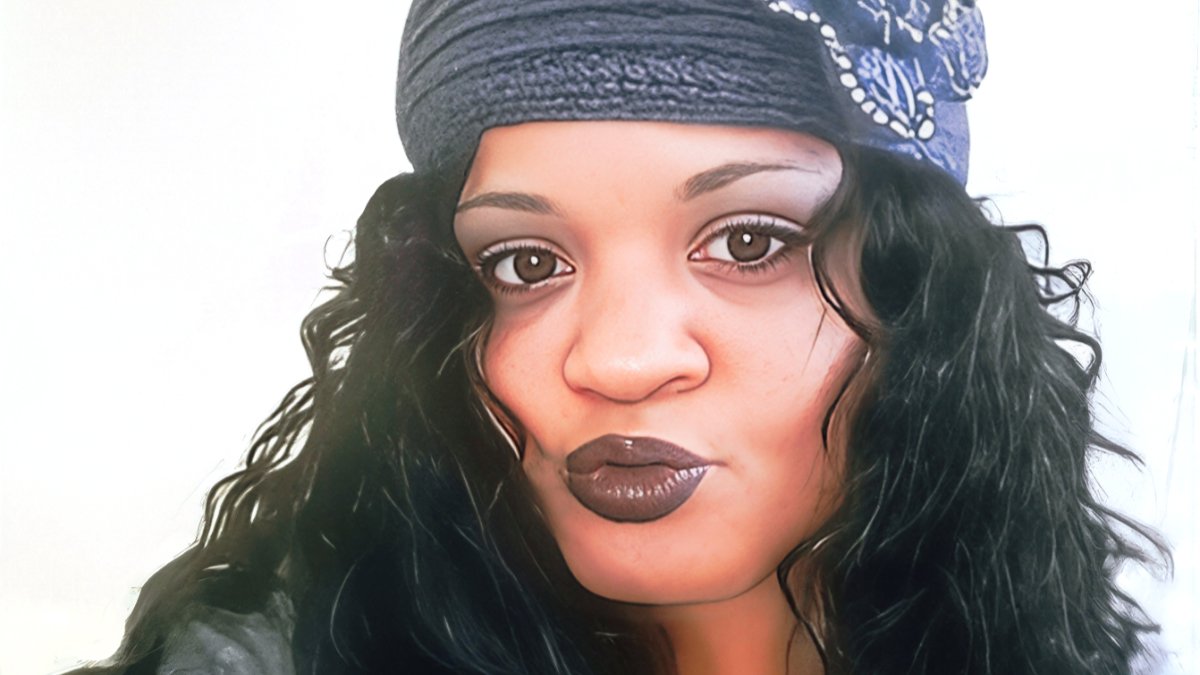
Khayree Lilly is a poet whose work centers on identity and survival, shaped by personal rejection and renewed purpose. In this interview, Lilly discusses her responsibility to present and future generations.
What moments or experiences first led you to write poetry centered on the Black experience?
When Oprah Winfrey rejected my book. I sent her a book and received a rejection letter. I felt hurt. I felt like Black people did not look out for Black people.
Did they give a reason for rejecting it?
No. They just said Oprah Winfrey wouldn’t sponsor the book or read what I sent. They thanked me for sending it but said she wasn’t doing that. It hurt my feelings because I watched Oprah do book reviews. When I did research, I noticed a lot of the authors she featured were white.
How did you respond to that? Did you try to reach out again, or did you move forward?
I shut down. I shut down for years because of the rejection. I still wrote poetry about how I felt and about being a Black person in America, but I only shared it with family and close friends. I would never present it in public again.
Then I met Benjamin Moody, and I started writing poetry again. I’m being honest. I had still been writing, but I didn’t share it publicly. After meeting you, my poems started appearing in Urban Magazine, and I began receiving positive feedback.
How do you decide which themes or issues to address in a given piece?
I pick up a pen and start writing. I write the main theme first, like a chorus, and then I expand from there. It’s not something I plan. As soon as I put pen to paper, a poem comes out.
Is poetry functioning as a tool for community dialogue or record-keeping?
Poetry is my soul. My lyrics are my soul. My eyes are the window to my soul, and what I see matters. We write down how we feel so the next generation can read it and know what we were going through.
How do you balance personal narratives with shared history in your work?
I do research. Maya Angelou is one of my favorites. I read Black authors and Black poets. Something they say might trigger something in me, and I connect it to how I feel. That’s how I write my poems.
What role does language choice play when you’re writing for a Black audience versus a wider public?
When I write for a Black audience, I’m more raw with my words. I might use language like the n-word because Black people understand it. When I write for everybody, I censor my feelings because I don’t want to make anyone uncomfortable. When I write for Black culture, my words are different because I’m trying to jar something in their spirits.
How do you respond to readers who say your work reflects their own experiences?
I listen to their stories. To understand, I have to listen. I ask them what part of the poem spoke to them. Sometimes it triggers something in me and makes me write even deeper.
What responsibility, if any, do you feel when your poems speak to struggle, loss, or survival?
I feel every Black person has a responsibility to the next Black person. If they’re struggling or surviving something, my poems should show that even though we struggle and lose, even though we’re trying to survive, we still come out on the other end. I try to start dark and then show there’s light at the end of the tunnel.
How has the response from the Black community shaped the direction of your writing?
I saw a difference when I started writing in North Carolina. Some Black people there didn’t seem free, like they didn’t know they were free.
In Atlanta, it felt like true Black empowerment. In Arizona, being around some Black people there is when I wrote “Nobody Wants to Be the Nigga.”
Which writers or cultural figures have influenced your approach to poetry and purpose?
Maya Angelou. James Baldwin’s Go Tell It on the Mountain was very powerful to me. I’m Not Your Negro inspired the title “Nobody Wants to Be.” Obama influenced me, too. I celebrate Obama. He looks like my daddy. Benjamin Moody also influenced me. He gave me encouragement and an outlet. He let me be myself and never told me a poem was too much. He gave me an audience to express myself.
What do you hope readers carry with them after engaging with your work?
A sense of unity. Supporting each other. Uplifting each other. I want us to stop competing with each other. I want people to read my poetry and get that Black pride back again, like back in the day.
Be’n Original