With artists+immigrants, Gregory DeAnda introduces MANNISH as more than a brand but a testament to movement, memory, and the quiet strength of those who build new worlds. From Montana to Mexico, from London’s thrift culture to Cape Town’s creative pulse, his journey shapes a debut collection rooted in durability, blues‑infused spirit, and immigrant resilience. In this interview with Urban Magazine, he reflects on the stories, landscapes, and artisans who forged his vision.
Gregory, with your debut collection, you clearly stand at the crossroads of craft, culture, and migration. How would you summarize the spirit of artists+immigrants in just a few words?
Resilient. Dreamer. Tough. These words are the foundations for being an immigrant and an artist—if you don’t have these things in you, it’s definitely going to be hard to be either.
Why did you choose a title that evokes both creation and displacement?
I feel that artists+immigrants are the lifeblood of society, and yet we take them for granted on a daily basis. Shining a light onto them is an ode of respect to what they’ve accomplished and the sacrifices they’ve made for the betterment of society.
How does your own story as an immigrant or traveler feed into the artists+immigrants collection?
Because my perspective is so unique to me, and I’ve been blessed to be able to travel and gain other perspectives, it became very clear to me that this is a path chosen for me. Learning these lessons gave me the perspective that was needed to curate the collection the way I did.
And how did blues music, I mean especially Muddy Waters, influence the atmosphere of the collection?
Muddy Waters, to me, is the ultimate innovator. His talent was so undeniable that no one could get in his way. I feel that’s the attitude and the atmosphere that I want this collection to have. It’s undeniably good and no matter how you feel about it personally, this is good quality. That’s one of Muddy’s imprints on me—be so good, they can’t deny you.
Which piece in the collection tells your personal story the most?
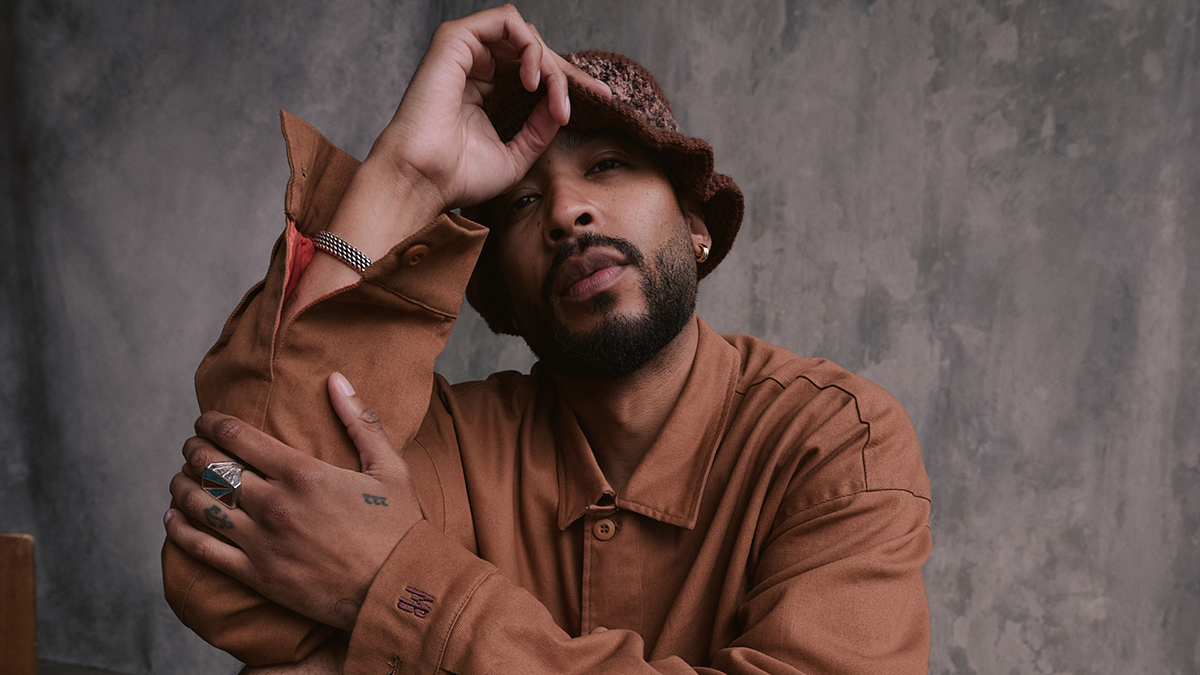
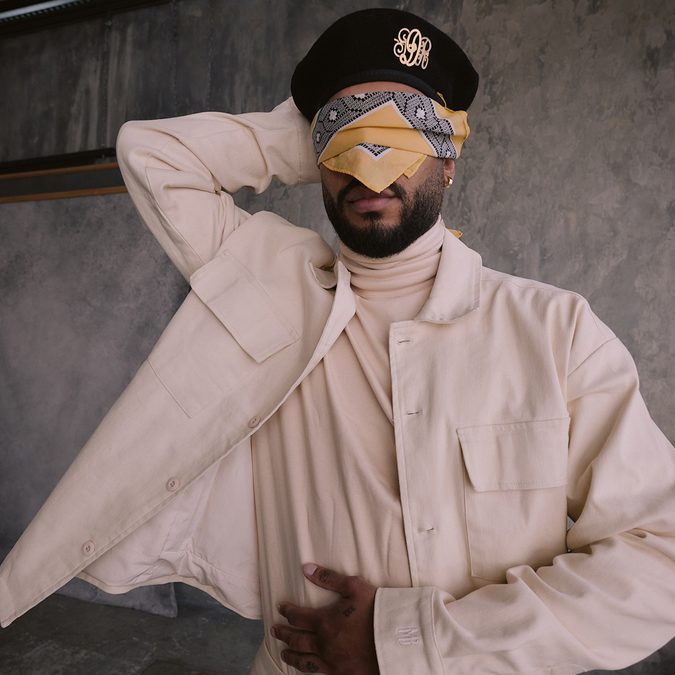
Definitely the hat that I named The Standard. To me, that hat embodies the standard of what quality is. It means the most to me because I had it built in Mexico a few hours from where my mother was born. It was a very full circle moment to come back to Mexico to work alongside amazing artisans to create something that embodies my family’s journey in a lot of ways.
How did you approach the color palette and material selection for this debut collection?
Based on workwear in general, a lot of earth tones and a lot of blues are in that color palette. I wanted to stick to that. Those are the tones and colors I grew up with as well; it made the most sense for me to stay within that palette. “Stick to what you know,” they say.
And what materials did you choose to ensure durability and functionality?
I chose canvas, denim and cotton for my materials. Those have always been materials of durability growing up in Montana. Everyone was wearing denim or canvas, wearing it in perfectly. Things look so good when they start to fade or look worn in and canvas and denim both embody that. I’m making clothes that you can pass down to the next generation. That’s my ultimate goal.
By the way, how did growing up in the Pacific Northwest shape your aesthetic sensibility?
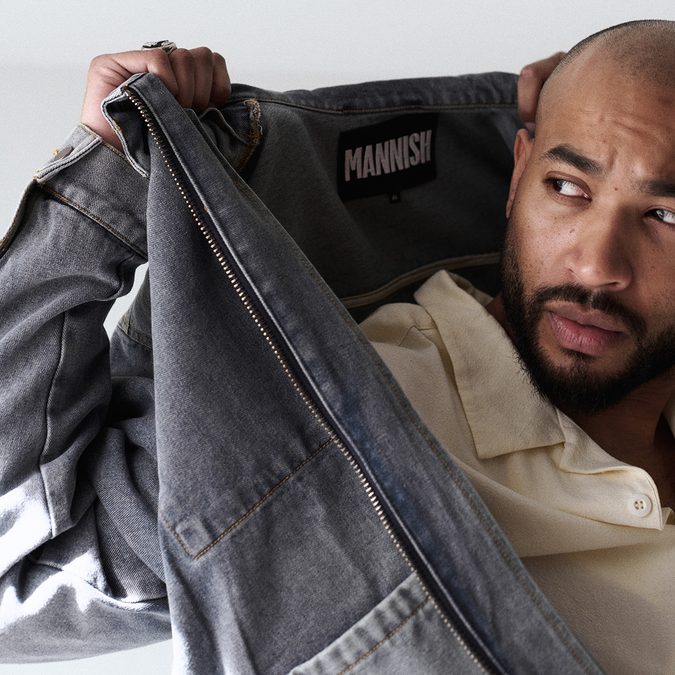
Due to the weather, people seem to strive for comfort clothes that are durable and also functional. That aesthetic of function and fashion really matters to me, I don’t think you have to give up one for the other. The PNW has its own uniform, so I was riffing off of that to bring some freshness to that space.
In what ways did your time in London and Cape Town, this time, transform your vision of fashion?
My time in London specifically shaped my thrifting abilities and perception. There’s so much good thrifting there that I started honing in on quality and durability. The London style and aesthetic is so vast and beautiful it was always so inspiring leaving my flat and walking around. I owe a lot to that city because it gave me so much creatively. Cape Town was more of a spiritual journey. I felt that I was in such a good space creatively and surrounded by so many other creatives that it brought out the best in me. I strive to get back to the space I was in then because it was so magical.
Was there a specific moment when you realized, “I need to create my own brand”?
When I first created MANNISH, I was living on Orcas Island. Winters on Orcas are very slow and quiet, which leaves you a lot of time to think. One day, I had enough, I was tired of clothes I didn’t love but was forced to wear. Due to it being wintertime, and having all this time on my hands, and my favorite brewery always being empty. I decided to drink beer and design as many things as I could that winter, which kind of spawned MANNISH.
How important is local manufacturing or ethical sourcing to you?
It’s always been at the forefront of everything I’ve done with MANNISH. The upcycling space is where I started building the brand and as I’ve gotten deeper into sourcing fabric and creating things, it’s only gotten more important to me. At the time I started, it was really hard for small businesses to find these materials, but as we progressed more, it started to become easier to find materials that are better for the planet. MANNISH will always find ways to be as eco-friendly as possible.
Are you collaborating with specific artisans or workshops for this first collection?
Besides the hat, I basically kept it in-house with my pattern maker but I have lots of collabs on the forefront with different artists that I’m looking forward to that range from creating scents to creating one-off pieces as well as helping them launch their own capsule collection through MANNISH.
What role do you want the community to play in the brand’s development? If any, of course.
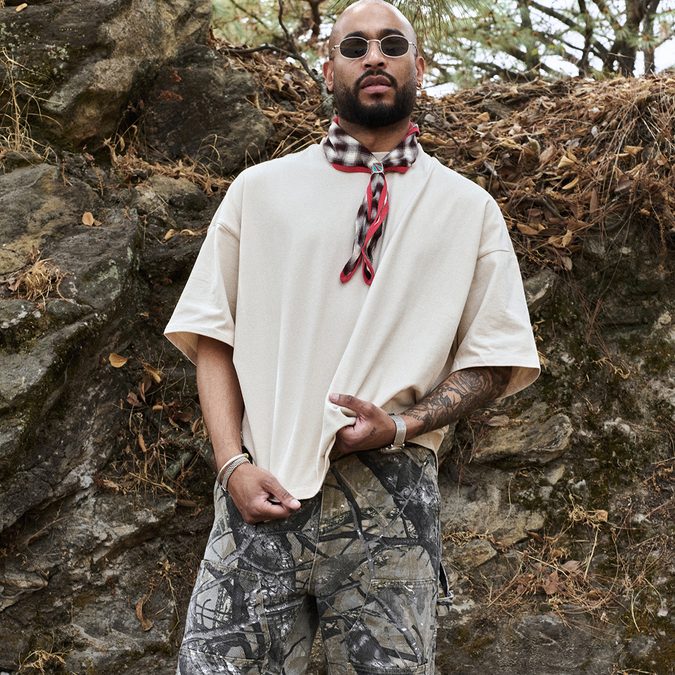
As it stands right now, I need them to support small businesses and believe in small businesses more. We all fall into the trap of supporting big names and big brands for comfort and clout, but the small businesses and your friends that are trying to launch their dreams are where support should be given and is actually needed. It starts and ends with the community, so we have to be there for each other.
What challenges do you face as a young brand that refuses traditional categories?
The fashion industry is known and has been known for gatekeeping. I think people in positions to change people’s lives are cautious when it comes to bringing new voices into this space, and I’d like to see that change. That doesn’t mean sacrificing quality or tradition; amplifying those voices will make sure those voices in the fashion industry have a brighter future, and it won’t just be the same package with different brands on it. There’s a lot of saturation in the fashion space, so separating yourself from the pack is a daily challenge I love taking on.
In your opinion, what makes MANNISH more than just a clothing label?
To me, it’s a movement. It’s here to support artists, past, present, and future. It’s meant to blaze a trail for that next generation of creatives and to make it easier to operate as creatives in any medium or space. I think looking at MANNISH as a community vs. a brand differentiates us specifically because we’re here for the people, not just to take from them. If I can help build a platform for those that have a hard time being seen, and provide a voice for the voiceless, then MANNISH is doing its job.
If you had to summarize your mission in one sentence, what would it be?
Built by innovators for innovators. Meaning that the people that are behind this brand understand what you’re going through as an artist. MANNISH is helping put you in clothes that help you create at your maximum potential. Truly the armor of ARTISTS.
Demona Lauren