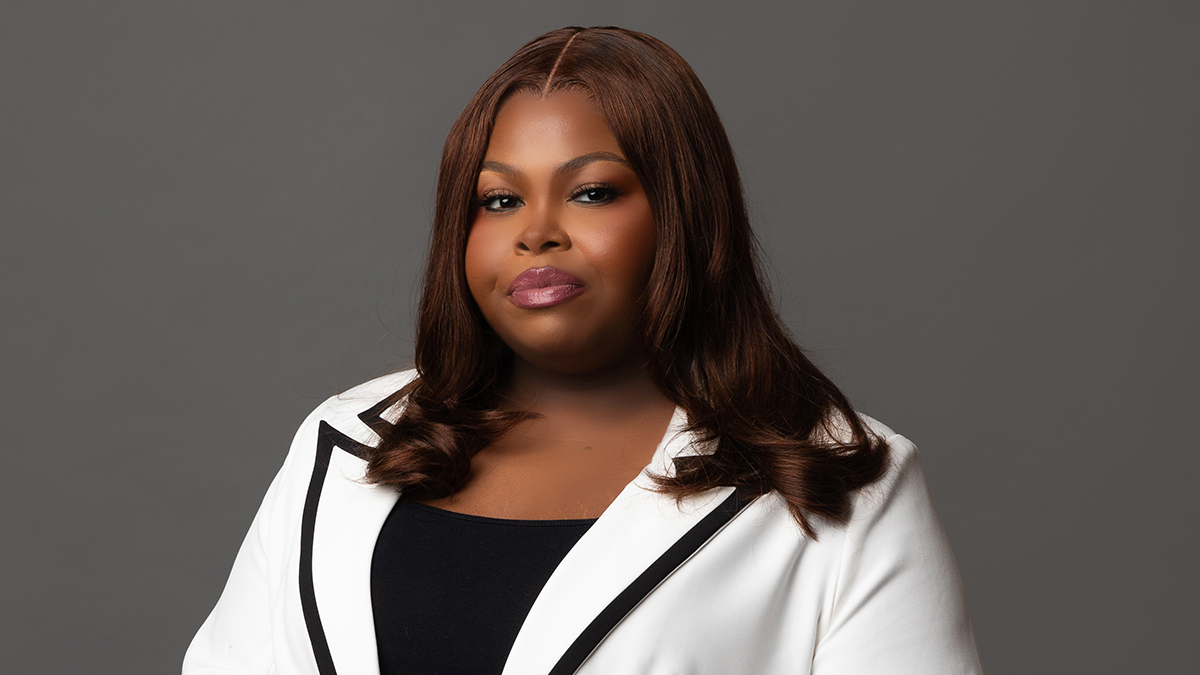
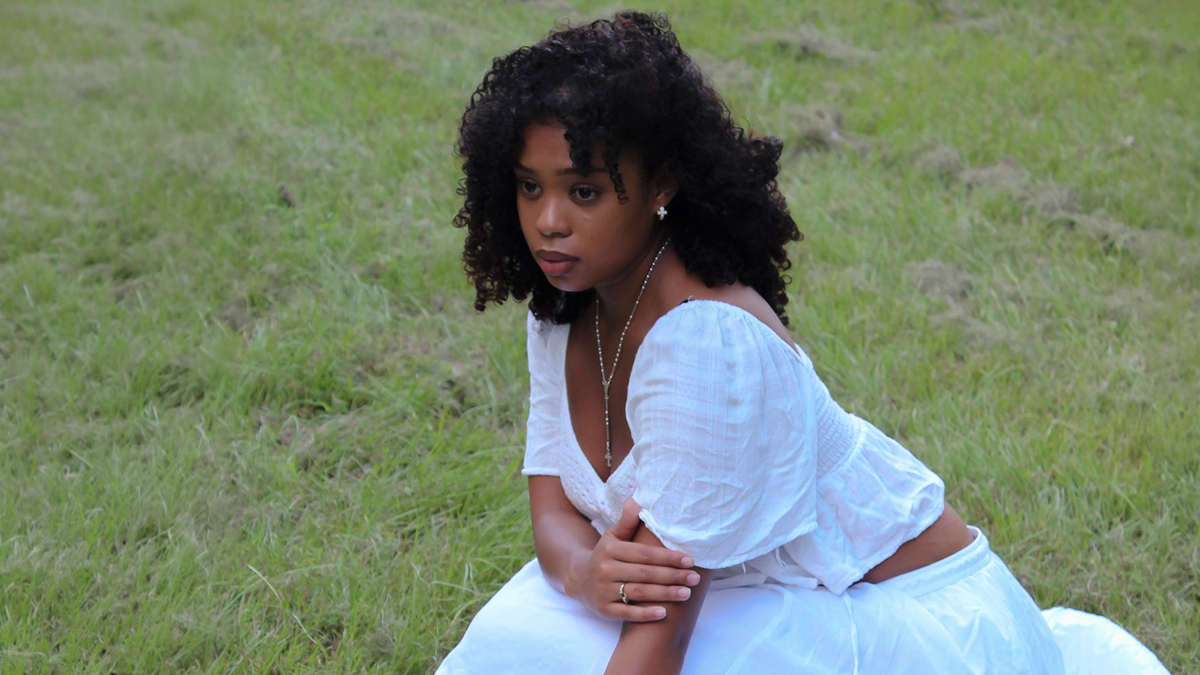
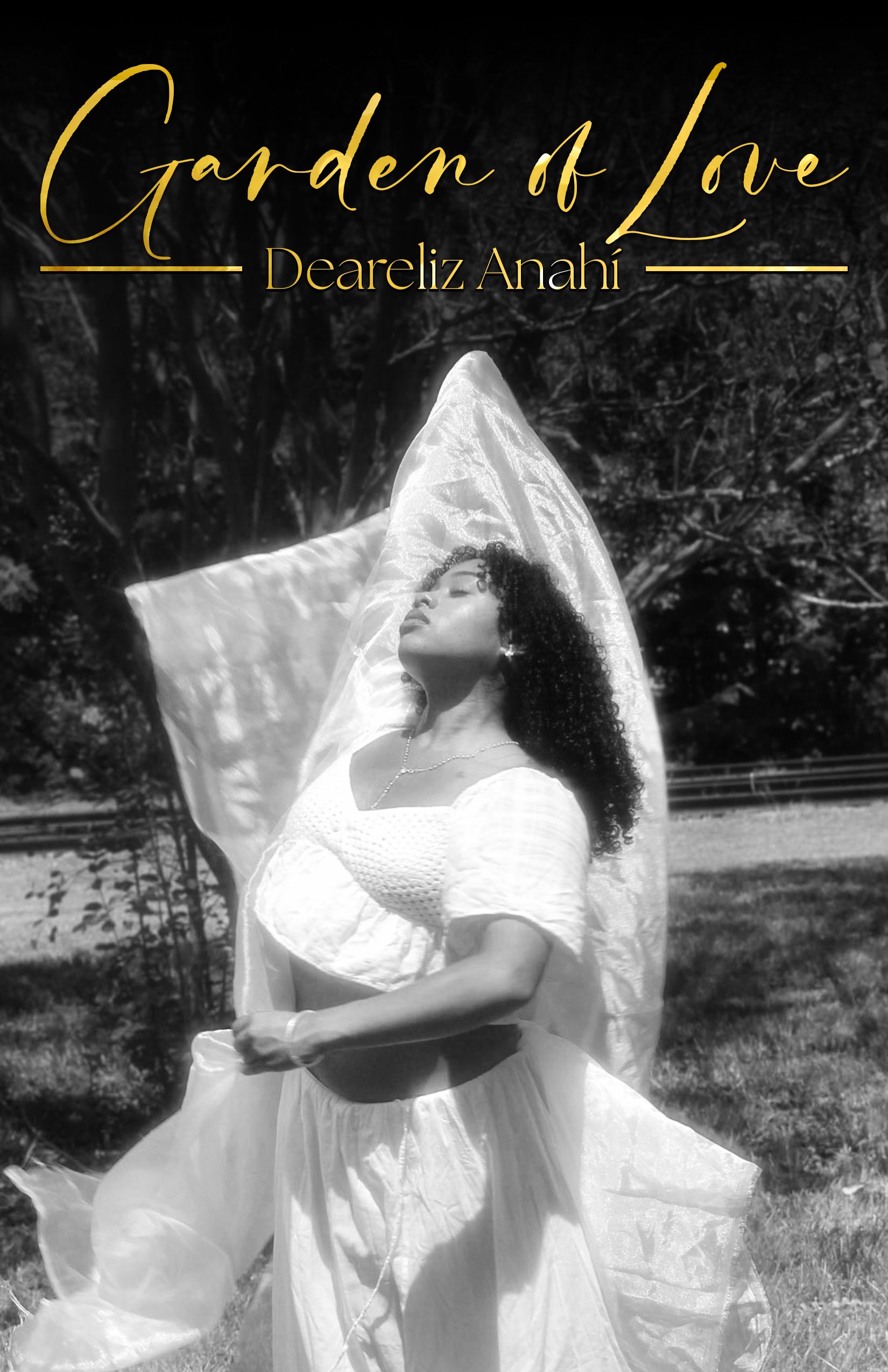
Deareliz Anahi Moody, who has contributed a long list of features and cover stories to Urban Magazine, has released a personal collection of poems, prose, and diary writings entitled “The Garden of Love.“
Through this compilation of writings, the 21-year-old journalist shares her journey of perseverance through trauma, heartbreak, and death while still holding on to love and hope to guide her through her darkest times.
In “The Garden of Love,” you write, “I’m not just healing; I am blooming.” What does blooming mean to you at this stage of your life?
To me, life is like the seasons. There are stages where we feel like we’re losing our color and our vibrance. But nature shows us that we can bloom again. No matter how weathered down you feel, no matter how impossible it seems, you will bloom again. For me, I feel like I’m finally blooming into the person I always dreamed of becoming.
The book blends poetry, prose, and diary-style reflections. Why was it important for you to tell your story through multiple forms of writing?
I felt like my story couldn’t exist only in poetry without including my prose and diary entries. Those moments allowed me to reflect on myself and grow through writing. With pieces like “Dear Elise,” I was able to look back and give myself grace. Sometimes we need someone to talk to us, and in many of those moments, I felt like I was speaking to my inner child or even to my future child. Talking things through helps me heal.
Some people learn better when someone teaches them. I learn better when I’m teaching someone else. That’s how I process things and understand them. There were times when I didn’t feel like I had anyone I could rely on, so I talked to myself through my writing. For people who isolate themselves or who have been isolated by circumstances, sometimes that’s all you have.
I also wanted the emotions in the diary entries and poems to feel real. I intentionally changed the fonts throughout the book because I love psychology and I’m fascinated by handwriting. Handwriting is never exactly the same because emotion always changes it.
You described the book as “a heartbeat and a soul laid bare.” Was there ever a moment when sharing such personal experiences felt overwhelming or risky?
Definitely. Toward the end of last year, when I thought I was finally ready to release the book and share that part of myself, I became terrified. Vulnerability is scary, especially now, because you never know how people are going to respond to your truth.
But for me, it became about honesty. We’ve all made mistakes. We’ve all gone through things. I’m simply telling my story so someone else can heal through my words and realize they’re not alone.
Much of the book centers on transformation over five years. Looking back, what was the turning point that changed how you saw yourself?
I feel like I’m always evolving. We aren’t meant to stay the same forever. We’re supposed to grow.
Throughout the years I spent writing this book, I became a different person over and over again. Even now, when I read it back, I realize I’m no longer that version of myself. But I can still appreciate the beauty of who I was and how much I’ve grown.
Being able to share some of my most vulnerable moments makes me feel strong. I can see my growth through my writing, and that’s beautiful to me.
As someone who has conducted celebrity interviews and written for magazines, how did your role as a journalist shape the way you approached your own story?
Some of my best writing came from asking myself difficult questions. I’ve done a lot of shadow work journaling, where you ask yourself the questions you usually avoid—the things you try to hide or push aside. Asking those questions allowed me to confront problems and move forward from them. Questions like “Who am I today? Is this the person I want to be? Am I carrying myself the way I want to?”
Interviewing celebrities also changed my perspective. I don’t see celebrities as larger-than-life people. I see them as human beings. I approach them like, “I’m me, you’re you—you’ve accomplished something incredible, and I want to understand your mindset and your journey.” That curiosity helped shape how I reflected on my own life.
You come from a family of accomplished writers. Did that place pressure on you when it came time to release your own work?
Absolutely. Seeing my grandfather T.W. Moody Jr. put years of work into his writing “The Wynnton Stocking Strangler” only for it to go largely unrecognized was difficult. He interviewed detectives and dedicated himself to that story, so watching his work get overlooked affected me deeply. That’s part of why I wanted to take the independent route with my book. Of course, I didn’t do it entirely alone. My sister handled the photography for the project while she was pregnant in the Georgia summer heat, and we still created beautiful images together.
And cousin Ben (Be’n Original, the publisher of Urban Magazine) has been an incredible mentor throughout this process. He pushed me to improve my writing and challenged me when I needed it. Earlier this year, I was in a very dark place after losing my childhood best friend. Without that support and guidance, I don’t know if I would’ve found my way back to this dream. Five years ago, I told Ben about my vision for my future, and he’s supported me ever since. I truly couldn’t have done this without him.
You write openly about heartbreak, identity, mental health, and self-doubt. What conversations do you hope readers begin having after reading your work?
I hope people start being honest about what they’re carrying. This year alone, I’ve lost three people to mental health struggles, and that changes you. After a while, people become numb to grief because it happens so often. When I read certain writers like Rupi Kaur, I feel seen. Reading my own work gave me that same feeling. I realized, “This is exactly how I feel.”
I can openly say that I’ve struggled with suicidal thoughts and dark moments in my life. But even in those moments, I knew there was still hope for me. I knew those feelings were seasons that would eventually pass. Writing became my release. Some of the pieces in this book were written while I was sitting in my room crying because I finally allowed myself to feel the depth of my pain. But that vulnerability helped me heal.
What has been the response from your peers after reading about some of your most personal memories?
When one of my closest friends read the book, she told me she had no idea I had been going through those things. That was eye-opening for me. You can be surrounded by people who love you, and they still may not fully understand what you’re carrying because you never allowed yourself to share it.
That’s why vulnerability matters. I want readers to release the things they’ve been holding onto. Sometimes we convince ourselves we’ve moved past something, but then a memory resurfaces and we realize the pain is still there. I know how hard it is to feel defeated. I know what it feels like when your mind feels like your enemy. But I also learned that healing doesn’t have to happen alone.
How do you navigate being transparent about painful experiences while knowing some people close to you may be learning your perspective on these things for the first time through your book?
Honestly, I do feel bad sometimes because there are people reading the book who may realize they never fully knew what I was going through. But I also try not to give other people power over my emotions. I don’t want fear of judgment to silence my truth. This book is me being honest. It’s me being vulnerable. And while I know some people may read it and feel shocked or emotional, I also know that telling the truth was necessary for my healing.
What can readers expect from you next?
I don’t want people to have to wait another five years for my next book. Right now, I’m focused on finding more ways to support mental health awareness and show up for my community. I’ve been thinking a lot about working with young people, maybe speaking at schools and sharing my experiences in a way that helps others feel less alone.
I’ve lost so many people that it’s sometimes difficult for me to open up and make connections again. But it’s easy for me to speak honestly about what I’ve been through, and if that honesty helps someone else, then that’s what matters. I’d also love to return to interviewing someday. We’ll see where life takes me.
Bobby Jenkins