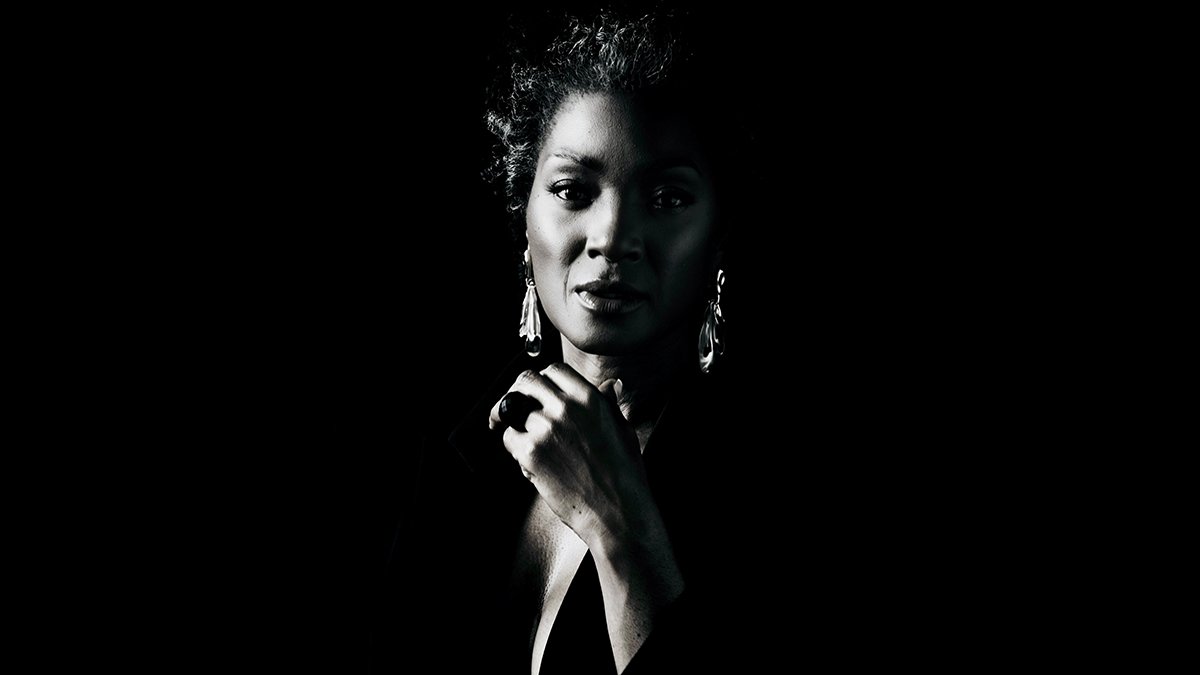

Photographer/creative artist Kade Henderson alleges that AI-generated performer XaniaMonet has used a digital likeness replicating her own appearance and creative identity. In a statement to Urban Magazine’s publisher Be’n Original, Henderson confirmed she is pursuing legal action.
“The image XaniaMonet used for her album art Unfolded, and on her streaming platforms, replicates my exact facial features, not just a ‘similar vibe,’” Henderson wrote. “From the bone structure to the ear, cheek, and nose, it’s nearly identical to photos I’ve posted publicly on different platforms. I’ve worked in design and digital media long enough to recognize when AI is referencing real people’s images without consent. This isn’t about coincidence; it’s about likeness rights, creative ethics, and how easily AI can blur those lines. The resemblance between the AI artwork and my face is significant enough to warrant concern. My likeness appears to have been used without consent, and I’ve since taken legal action to address this misuse. My focus is on accountability and awareness around image rights in the age of AI. There’s no way my friends should mistake someone else’s work for me, ever.”
XaniaMonet is the creation of Mississippi-based poet Talisha “Nikki” Jones, who utilizes the AI platform Suno to transform her poetry into music. The project has garnered attention after securing a $3 million record deal with Hallwood Media, led by former Interscope executive Neil Jacobson.
Monet’s debut single, “Let Go, Let God,” achieved chart success, reaching No. 21 on Billboard’s Hot Gospel Songs chart and No. 1 on the R&B Digital Song Sales chart.
The rise of XaniaMonet has sparked debate within the music industry regarding the ethics of AI-generated art and the protection of artists’ likenesses.
While Jones and her team assert that their creation represents a legitimate artistic endeavor, critics argue that the use of AI to replicate human features without consent undermines the rights of creators and authenticity. Henderson’s legal action underscores the growing concerns over image rights in the digital age.
As the legal proceedings unfold, the case may establish a precedent for protecting likeness rights in the era of artificial intelligence and digital media.
Be’n Original