
From the headset and the technology to the packaging and the brand, gaming is big business—and a new industry program is showing emerging creatives there is room for their talent beyond the screen
Gaming has its own language, its own style, and its own culture.
What was once considered a hobby has grown into a global industry that touches technology, entertainment, design, content creation, and business. Gamers are building communities, creating content, influencing products, and changing how brands think about the people they want to reach.
Look a little closer and you will also see something else: opportunity.
Behind the game is an entire world of products that somebody has to dream up, design, package, brand, and market. From the mouse and keyboard to the headset, microphone, racing wheel, and gaming chair, creativity is everywhere.
That is where PLC Detroit and Logitech are entering the conversation.
Pensole Lewis College of Business & Design, known as PLC Detroit, has teamed with Logitech for an eight-week Industry Certificate Program designed to give emerging creatives a closer look at the business behind gaming.
The creative brief says it all: Everything But the Game.
Gaming Has Always Been Bigger Than the Screen
Gaming has evolved into an experience that extends well beyond what happens on the screen. Technology, design, entertainment, and personal expression all play a role in how people experience it.
The products surrounding gaming are part of that evolution. Headsets have to deliver performance and comfort. Keyboards and mice must combine function with thoughtful design. Packaging must capture attention, while branding and marketing have to connect with consumers who have more choices than ever before.
Those decisions don’t happen by accident. Behind every product is a team of people deciding how it should look, feel, function, and ultimately connect with the consumer.
“Gaming is bigger than what happens on a screen,” said Dr. D’Wayne Edwards, president of PLC Detroit. “There is an entire ecosystem of products, brands, and experiences surrounding it. This partnership gives emerging creatives an opportunity to understand that ecosystem while developing skills and gaining the kind of industry exposure that can help prepare them for careers.”
That ecosystem also represents an expanding range of opportunities for emerging creatives who may never have considered gaming as a place to build a career.
Your Creativity Might Be the Career
The PLC Detroit × Logitech program will introduce participants to five areas of the business: Industrial Design, Color & Material Design, Brand Design, Packaging/Graphic Design and Product Marketing.
For a young creative who has never considered a career in gaming, those five tracks tell an important story.
You do not have to know how to build a video game to work in gaming.
Someone interested in how products are created and function could find a path in Industrial Design. A creative with an eye for color, texture, and materials could discover an entirely different profession. Someone interested in visual storytelling may gravitate toward Brand Design or Packaging/Graphic Design, while a person fascinated by consumers, trends, and how products find their audience could see a future in Product Marketing.
There are careers behind all those interests.
The opportunity is understanding how to turn creative instinct into a professional skill and, eventually, a career.
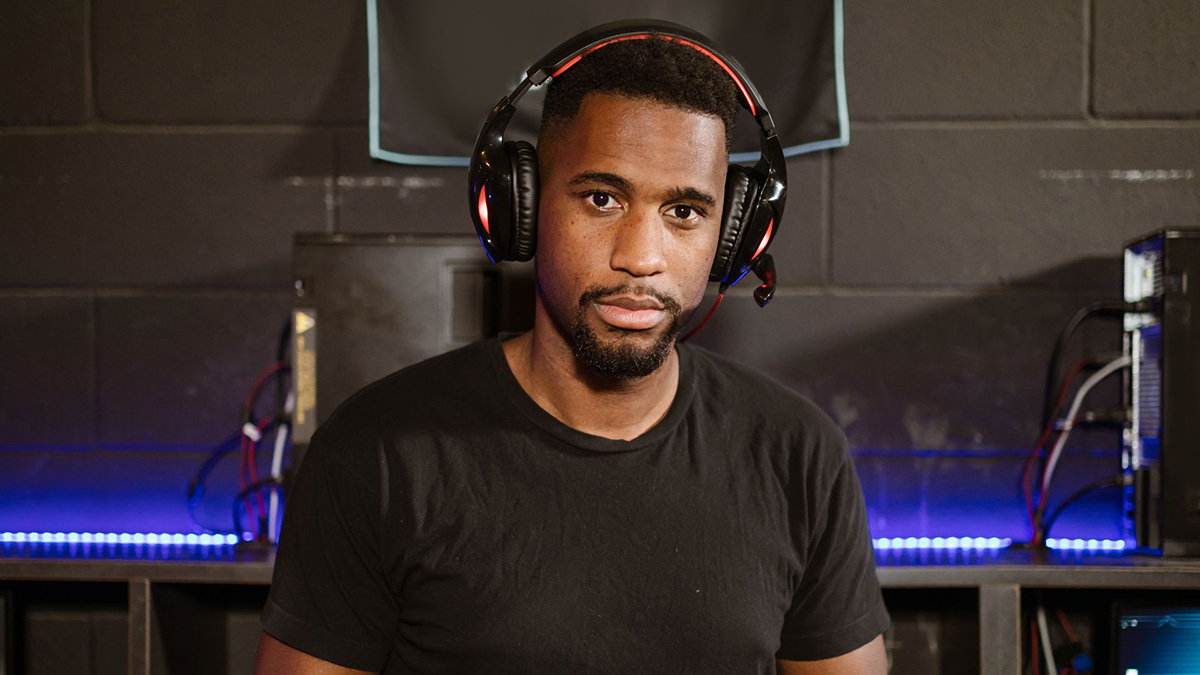
Culture Is Valuable in the Room
The strongest ideas often come from people who understand how others live, communicate, and use products.
Culture influences consumer behavior. Communities create trends. Technology changes expectations. What people value today may look completely different a few years from now.
For companies trying to create what comes next, understanding those shifts matters.
It also means emerging creatives bring something valuable to the conversation before they ever receive their first professional title: perspective.
The challenge is making sure talent has opportunities to develop that perspective within a professional environment.
PLC Detroit occupies a unique place in that conversation. The Detroit institution is Michigan’s only HBCU and the nation’s only design-focused HBCU, with an educational model built around connecting emerging talent with industry.
“We don’t believe students should have to wait until they get a job to experience the industry,” Edwards said. “They should be solving real problems, working with real brands and learning what it takes to bring ideas to market now. That’s what this partnership with Logitech provides—access, experience, and a real opportunity to understand where their creativity can take them.”
That type of access can make a difference because understanding an industry from the outside is very different from experiencing how it actually works.
From Consumer to Creator
Young people interact with products every day without necessarily thinking about the careers behind them.
Someone may be fascinated by how products look without realizing there is an entire profession devoted to Industrial Design. Another person may instinctively notice colors, textures, and materials without knowing those instincts can translate into a career. Someone else may understand why one brand connects with consumers while another misses the mark without realizing that insight has value in Product Marketing.
Gaming is no different.
The person using a gaming product today could become the designer creating tomorrow’s version. The person studying packaging because they appreciate how it looks could eventually be responsible for developing it. Someone who understands why consumers connect with one product over another could find themselves helping a global brand answer that exact question.
Exposure can turn an interest into an option, while industry experience can help turn that option into a career.
The People Using the Products Can Help Shape What’s Next
As gaming continues to grow, the conversation should not simply be about who is playing.
There is another question worth asking: Who will design, brand, market, and make decisions about what comes next?
That matters because innovation requires different perspectives, experiences, and ways of thinking.
The next breakthrough gaming product could come from someone who has never considered working in gaming. A future Industrial Designer might currently think their passion for creating products is simply a hobby. A talented visual storyteller may not yet know that Brand Design is a profession. A future Product Marketer could already possess an instinctive understanding of consumers but have no idea how valuable that skill can become.
Sometimes people need to see the possibilities before they can imagine themselves in them.
That is what makes Everything But the Game an interesting challenge. It asks emerging creatives to stop looking only at what is happening on the screen and start paying attention to the business, technology, design, and creativity surrounding it.
Gaming is more than playing. It is an industry filled with people creating products, building brands, solving problems, and thinking about what consumers will want next.
For emerging creatives, the bigger question may no longer be whether they play the game.
It may be what role they can play in shaping everything around it.
Applications for the PLC Detroit × Logitech Industry Certificate Program are open through Sept. 20, 2026. To learn more or apply, visit ePLC at PLCDetroit.com.