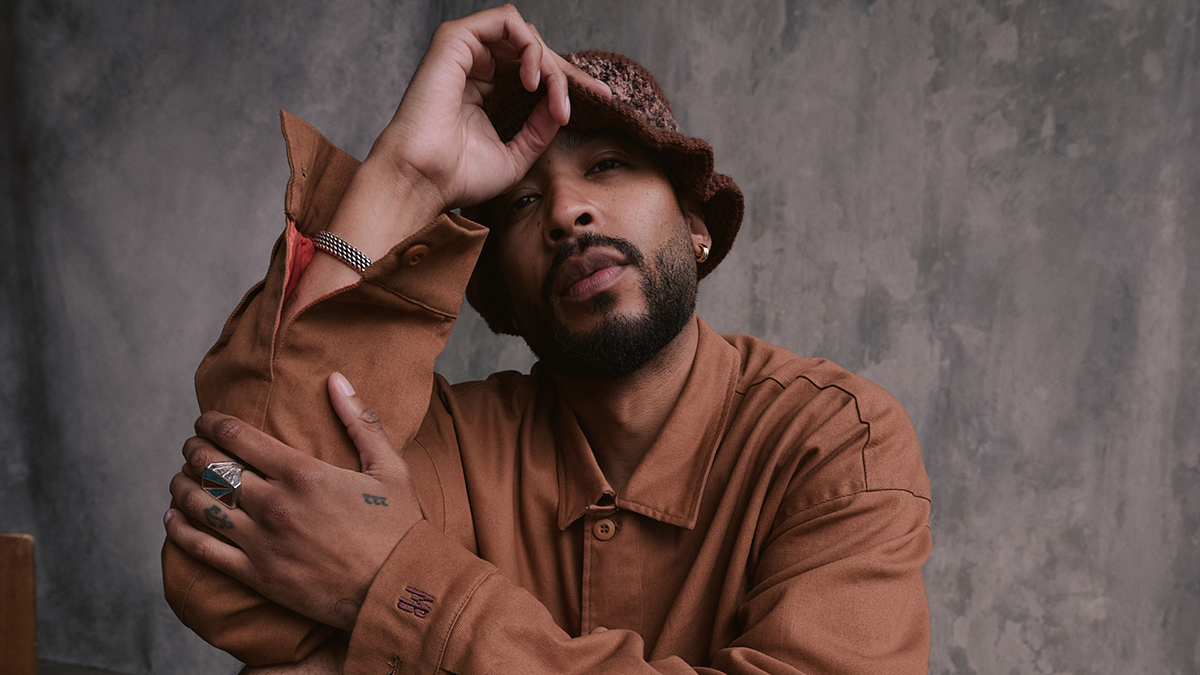
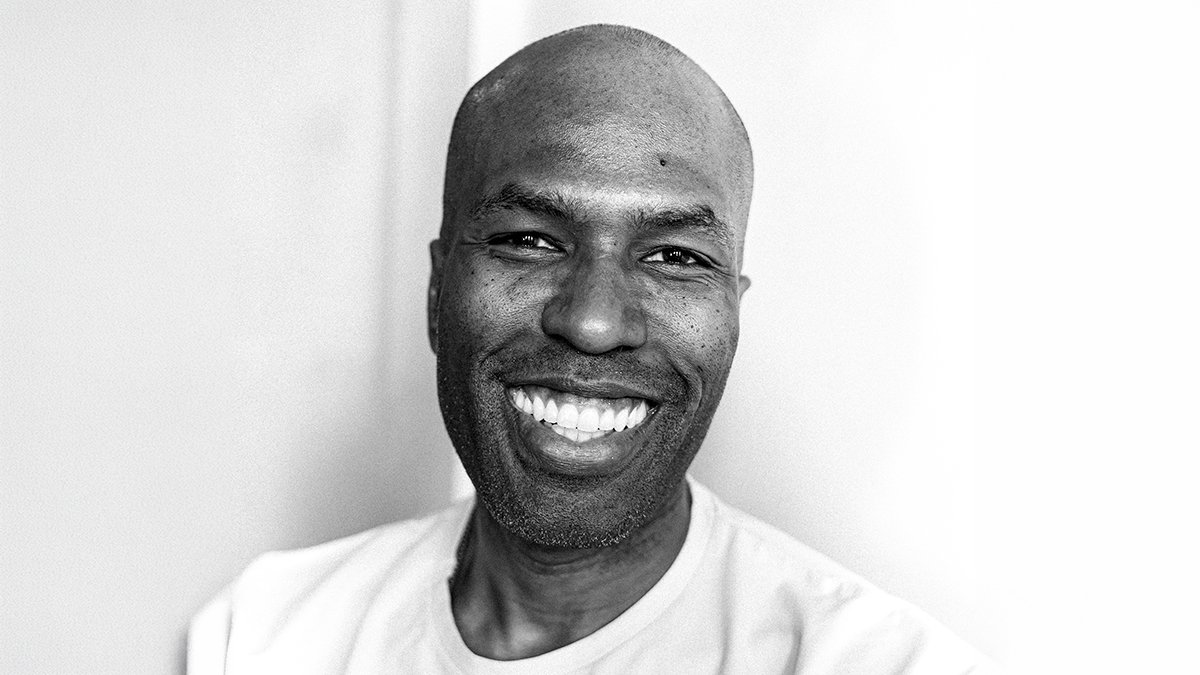
Kim Robinson Jr. has spent his career working at the intersection of culture and commerce. Through his platform 3pts, he helps artists and makers navigate the realities of building sustainable creative businesses. Robinson has collaborated with figures across music and culture, including Nas, Kendrick Lamar, Solange, and Tyler, the Creator, and helped produce influential events such as the FADER Fort at South by Southwest.
In this conversation, Robinson discusses the challenges creatives face in the business world, the importance of vision and authenticity, and why supporting mid-career artists remains central to the future of the creative economy.
Why do many artists struggle with the business side of creativity?
Artists often struggle with business because there’s so much we can’t control and a lot we simply don’t know. When you specialize in something, you naturally develop blind spots outside that field. If I’m making art, music, or furniture, my focus is the craft. That doesn’t mean I automatically understand how to make the work sustainable or how to bring it to market.
That’s the classic art-versus-commerce conversation. I’m not saying artists must follow commercial rules. My goal is to help people define success on their own terms. For some, success means sustaining their practice. Others want to build a team and grow their work. I try to help creatives bridge the gap between making the work and sustaining it.
You’ve worked with artists such as Nas, Kendrick Lamar, Solange Knowles, and Tyler, the Creator. What did you learn from those collaborations?
The biggest lesson was the importance of vision. Those artists had a strong point of view about what they wanted to create. Everything begins with the creator. Once the vision exists, others can contribute and help build something larger. What stood out was their conviction and authenticity. Audiences respond to that.
I tell creatives to follow what I call their “creative wild rabbit.” What’s the idea you feel most compelled to pursue? Start there and figure out the rest later. Try to do something unique and resist pressure to smooth out the edges of your work. Staying true to your vision allows something meaningful to grow.
What does the maker economy look like for independent artists today?
Creative disciplines overlap more than ever. Fine artists, makers, and designers often operate in the same spaces. A fine artist might sell gallery work while producing retail pieces. Craftspeople collaborate with artists or brands. People are finding different ways to sustain their practices.
But the economy is challenging. Anyone can open an online store, yet success isn’t guaranteed. Wholesale is tougher, and galleries can be difficult to navigate. Many creators adapt by working with brands, producing white-label projects, or collaborating with media platforms. The internet has created a global marketplace, so adaptability is essential.
What business skills should creatives learn early?
Branding is fundamental. It’s about mission, vision, and values—who you are and what you stand for. I’ve seen artists succeed without sophisticated marketing because their voice and point of view are clear. Their storytelling and imagery communicate their identity.
Everything begins with the work. The ideas you care about most should shape your brand. Once that foundation is strong, tools like social media, email marketing, websites, or trade shows can amplify it. But those tools only work if the core identity is authentic.
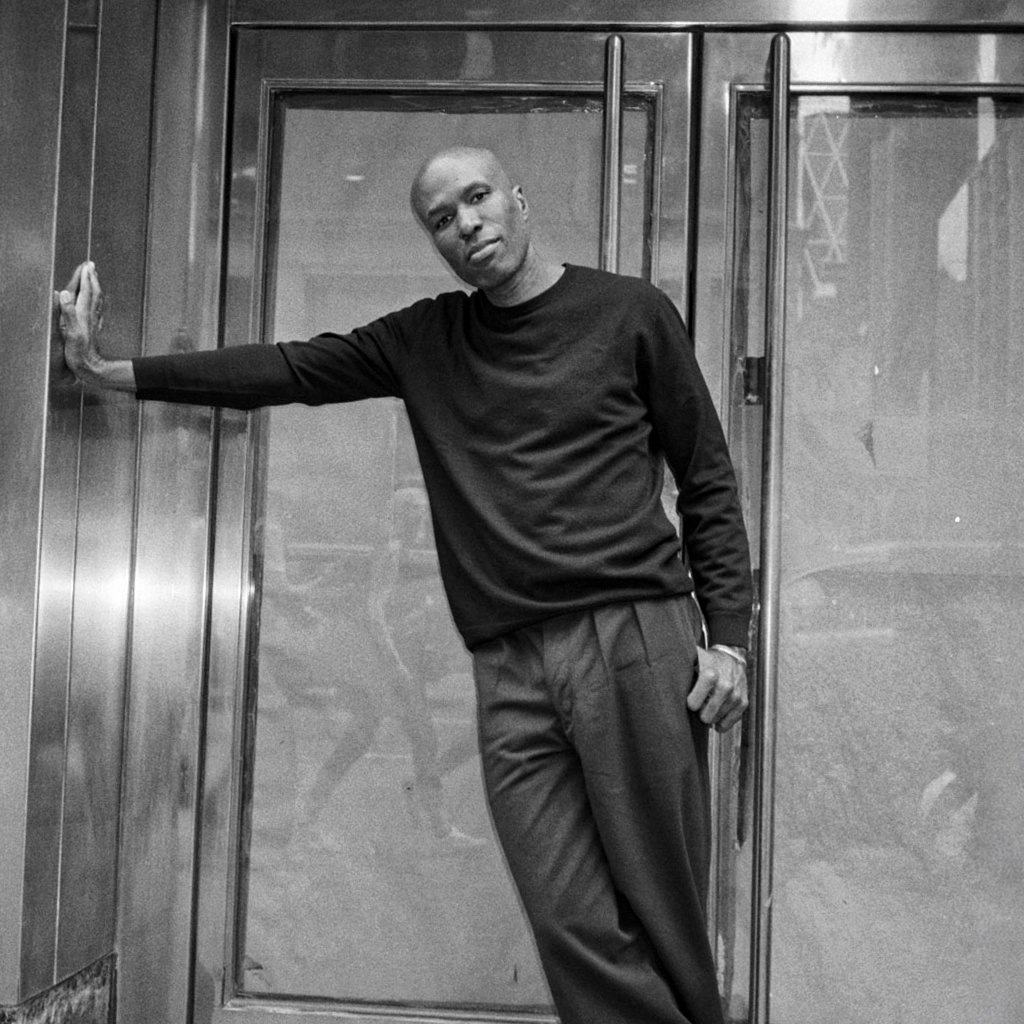
How did producing the FADER Fort at South by Southwest shape your perspective?
That was one of the most meaningful experiences of my career. I worked on it for four years during its peak. One moment I remember vividly was Kanye West performing after releasing 808s & Heartbreak. It was his first major performance after his mother passed away, and seeing it in a venue of about 1,000 people was powerful.
The FADER Fort showed the power of curation. The FADER helped elevate hip-hop culturally and spotlight artists from the American South when many outlets overlooked them. It demonstrated how culture can move across platforms — live events, print, and digital media — and how those elements reinforce each other.
What is the goal of the Artists and Makers Impact Fund?
The mission of 3pts is to help creatives achieve their dreams. We’ve launched programs, community initiatives, and a newsletter that shares opportunities and industry insights for artists and makers.
The Impact Fund extends that work by supporting creatives directly through grants. Many grants focus only on creative output. This one also recognizes artists who are building sustainable businesses around their work. We also want to share those stories so other creators can see what’s possible.
Why focus on mid-career artists and makers?
Mid-career artists often reach a turning point. They’ve invested years in their work but may still question whether it can sustain them. That’s when support can make a real difference.
Artists contribute enormously to culture, yet resources in the United States are often scattered. Part of my work has been gathering and sharing those opportunities so artists can access them more easily. Supporting mid-career creatives helps ensure they continue their work instead of leaving the field.
What’s next for Three Points?
The goal is to expand the platform so we can help more creators. We recently launched a Substack newsletter that compiles opportunities for artists and makers — grants, markets, trade shows, and other resources.
We’re also looking to collaborate with brands and technology companies that support artisans and small businesses. Partnerships will help us build programs that reach more creators.
Ultimately, the goal is to grow the community and continue helping artists build sustainable creative careers.
To apply for the 3pts Artists & Makers Impact Fund, click here.
Be’n Original