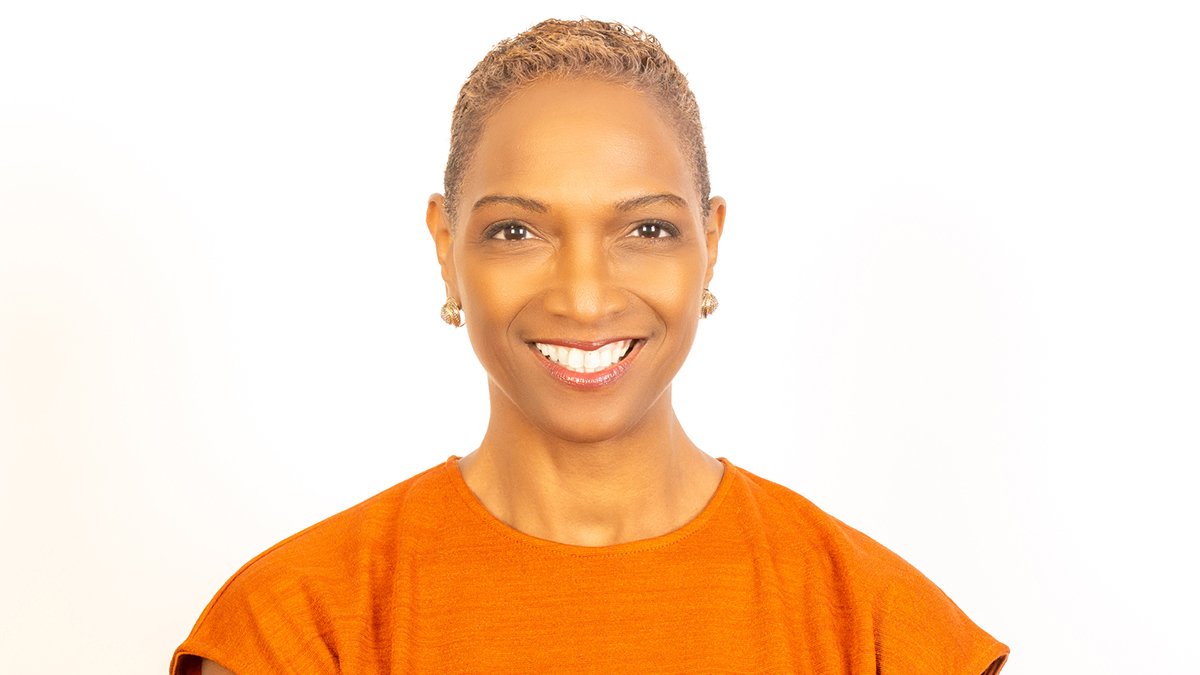
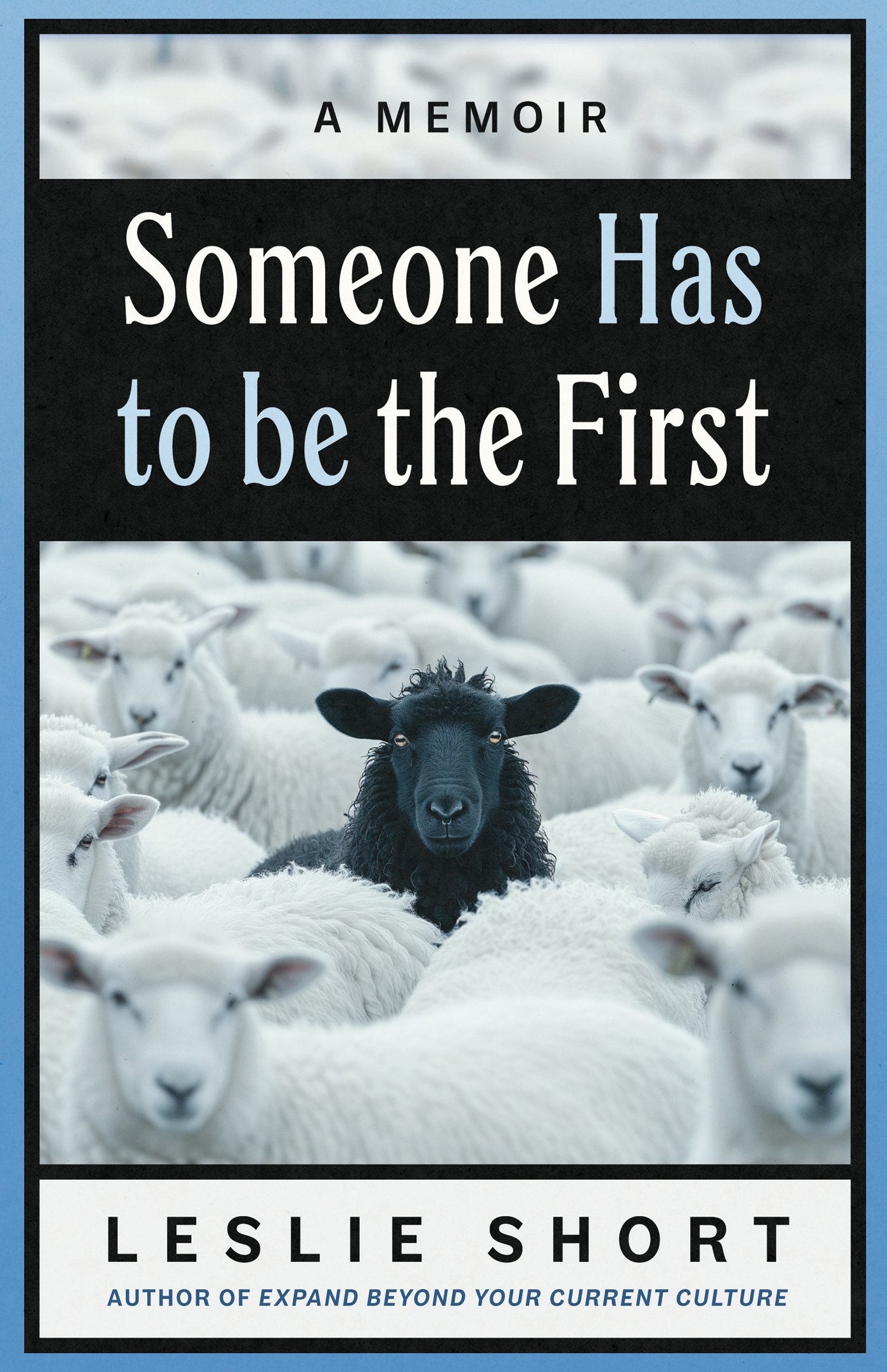
Leslie Short knows what it means to move through spaces where she stood alone—and to keep going anyway. In her memoir, Someone Has to Be The First, she reflects on a path shaped by persistence, hard choices, and moments that demanded she speak for herself when no one else would.
In this conversation, Short shares how those experiences shaped her view on workplace culture, why visibility must lead to real change, and how leaders can create space for people to grow without being boxed in.
You use the term “visibility unlimited.” How do you translate that into measurable outcomes for workplace culture?
Every company is different when it comes to measurement. For some, it may come through surveys and leadership actually taking those results and acting on them. That could mean changes as small as those in restrooms or something much larger.
At its core, it’s about how employees feel. If employees come in and can see themselves — and see how to advance, whether that’s a raise or a promotion — that’s a plus. If someone sees a notice on a board in different languages, that’s a plus.
Those are small things. Now imagine restructuring how a company builds its processes so the majority — because I can’t say everyone — can see themselves and understand how they can grow.
Your memoir, “Someone Has to Be The First,” is set for release on May 5th. Why tell your story now?
Two reasons. One, I’m on the other side of the journey, not the beginning. You start to think about the story you want to continue to tell. Also, during speaking engagements, people often say, “I knew that piece, but not that part of your life.” They want to know more about dance, living in Europe, food, and building companies.
When I had the opportunity from a publisher to tell my story my way, I took it. And now is the right time. So many people — especially women and Black women — are out of work. They need to know there’s more than one way to accomplish something.
You write about being the only one in many spaces. What moment shaped your decision to speak out?
Every moment. From age seven on, I was never silent. No one had to say I was the only one in the room. I knew. Whether it was ballet or elsewhere, I could see it. If something wasn’t justified — like being told I had a part and then losing it because of pressure from parents — I spoke up. Tell me I’m not good enough. Tell me I need to be stronger. But don’t make excuses.
I stood up for what I needed. In dance, that meant fighting for Black and brown wigs. I would not go on stage in a blonde or white wig unless it was required for the piece. If I didn’t stand up, no one else knew what I needed.
You’ve said culture should be built into a company’s foundation. What do you look at first?
I need to know what’s working and what’s not—from leadership to employees. I say I review everything from the mailroom to the boardroom. Leadership often has a perception of culture that doesn’t match the employee experience. I need to understand both sides and what they’re trying to accomplish, and then shape a culture that works for both.
What do you want readers — especially leaders — to take away from the book?
Never assume. Just because someone looks, sounds, or moves a certain way doesn’t mean you get to put them in a box. Let people shine. Let them use their talents. Opportunity doesn’t look the same for everyone. Some go through the front door. Others go through the side door, the back door, or even under the door. But that can’t happen if you’re blocking them.
Be open enough to see beyond your comfort level.
You’ve criticized diversity, equity, and inclusion as buzzwords. How does your memoir reframe that?
In my stories, you’ll see I never felt the need to announce that I was Black. I thought it was a given. I didn’t wait for someone to tell me I belonged. If I didn’t feel I belonged, I left. If I stayed, I would let my talent speak. Diversity happens when people are given opportunities. A company’s responsibility is to build an inclusive space. Let’s be clear—a ballet studio is not inclusive. You may perform together, but that doesn’t mean you’re included. I still had to fight every day to prove who I was.
So stop relying on buzzwords. Accept people for their talent first.
Your career spans ballet, international business, and culture strategy. How did writing help you connect those chapters?
Each chapter led to the next. Living in Europe for more than 10 years, I had to adapt. I couldn’t walk in and expect everything to adjust to me. I had to learn the culture, even something as simple as buying bread or taking a taxi. As I adapted, I also shared what I needed. Don’t touch my hair. Don’t rub my skin. People had different definitions of identity.
Each experience taught me something new and shaped the work I do today. When I speak about culture, I mean it fully—cultural understanding and strength.
How should leaders rethink the idea that “we’re a family”?
Does everyone like their family? No. We need to stop saying “family” and start saying “community.” A community grows, shifts, and evolves. People come and go. Employees can say, “I’m part of the community,” without feeling forced into something else.
If we shift our language, we give people the freedom to do their best work. And at the end of the day, that supports the bottom line.
What challenges did you face when reflecting on past experiences while writing?
There’s a story about working on cruise ships as the first Black dancer and employee. There was a performance I would never do today. When I saw a video of it years later, I cried. Every time I edited that section, I cried. It was a win in many ways—getting the job, leading dancers, and performing as a soloist. But that moment was a loss.
Still, I left it in. Growth matters. You don’t learn from only the good moments. You learn from the process — and that process is life.
What conversations do you hope the book sparks?
I hope it starts with individuals. Someone sees themselves in the stories and speaks up—”I want to learn this” or “I want to grow here.” And leadership responds, “If you grow, we grow.” I also want people to ask questions. If you admire someone’s work, ask them about it. Not to take their job, but to understand it. There’s so much talent in organizations that goes unused because people feel stifled. Learning should be seen as an advantage, not a threat.
Be’n Original