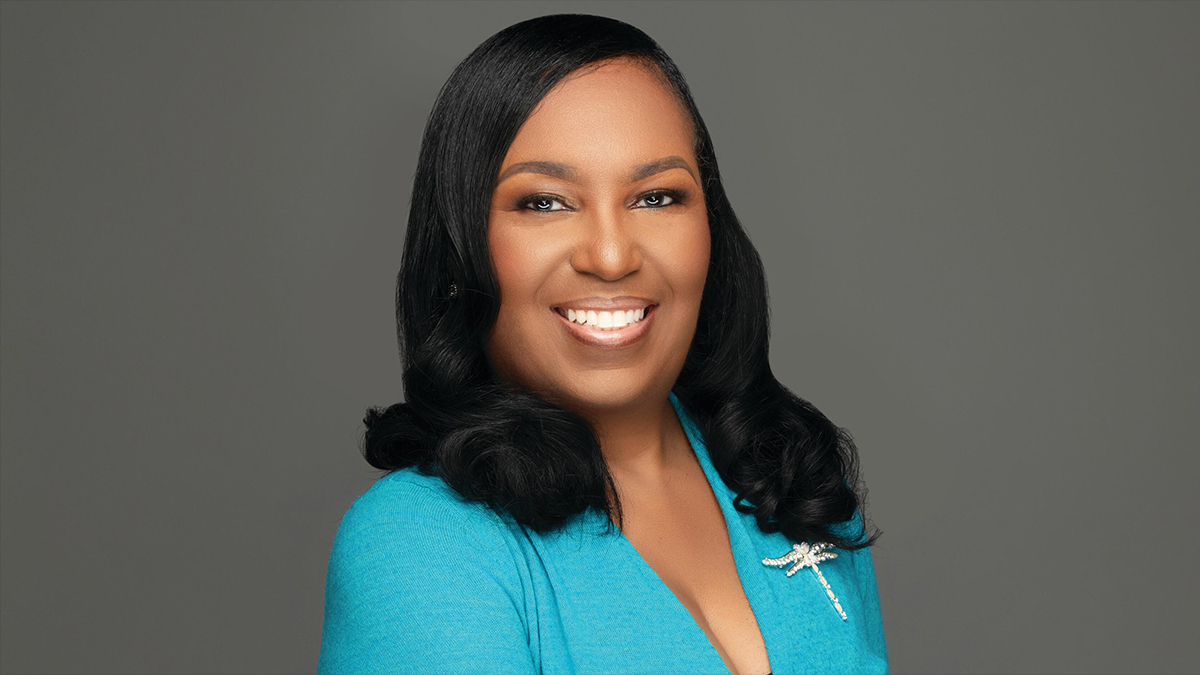
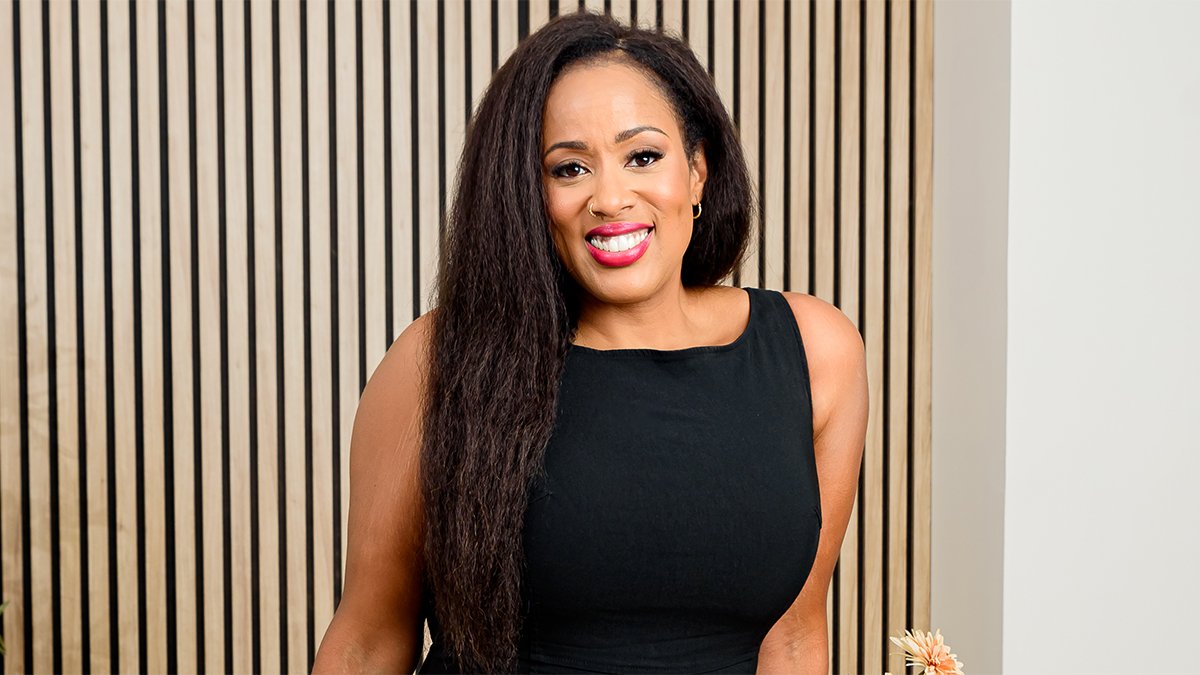
Storytelling, for Tomika Anderson, is not just a craft—it is a calling. It has purpose and strategy, and its potential impact can change the course of an entire generation, hopefully for the better. Through her company, Manifest Greatness Media, she has built a career centered on amplifying voices, shaping narratives, and creating pathways for others to be seen and heard.
From global travel with her son to building a community of thousands through Single Parents Who Travel, Anderson’s work reflects a clear through line: representation matters, and stories can move people to act. In this conversation, she discusses the evolution of her career, the realities of entrepreneurship, and why storytelling remains a powerful tool for change.
What inspired you to start your company, Manifest Greatness Media?
What inspired me to start the company is the same thing that inspired me to become a writer — to shine a light on the brilliance of Black people and the diaspora. I focus on storytelling that moves people, that pushes them to action, and that helps them become their highest selves. I feel blessed to represent some of the best in the world, whether they’re doctors, professors, or leaders in their fields. That’s what drives me.
How has storytelling changed over your career?
It’s changed everything. I’ve been able to travel all over the world and build relationships with people I admire. It’s even shaped my son — he’s a straight-A student, but he wants to be a creative writer because he’s seen what storytelling can do. It’s impacted my life in ways I couldn’t have imagined.
How do you work with both government and private clients effectively?
I listen. I spent close to a decade working with the Department of Defense in strategic communications and change management, and that taught me that every client is trying to solve a problem. Whether it’s visibility, reputation, or alignment with opportunities, those needs are often the same across sectors. That’s why I’m able to move between them.
Why is it important to amplify underrepresented voices?
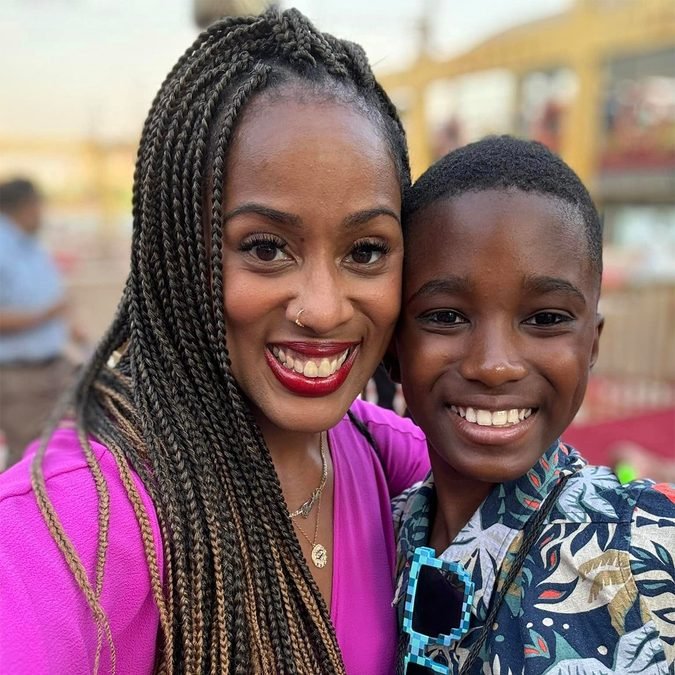
Someone recently asked me why I named my son Solomon. It was partly a tribute to my grandmother and partly inspired by Toni Morrison’s Song of Solomon. As a child, I was deeply moved by the work of Black writers. That showed me how powerful storytelling can be. I’ve always felt a responsibility to contribute to that legacy and to give young people something meaningful to aspire to.
What led you to create Single Parents Who Travel?
I’ve been creating vision boards for more than 15 years. Before my son was even born, I put the Eiffel Tower on one because I wanted him to see himself in a global context. Later, I started a Facebook group for single parents who shared that same goal. It started with just four people and has grown to about 16,000. We’ve traveled to places like Egypt, South Africa, Costa Rica, and Bali. It’s one of the most fulfilling parts of my life—helping kids connect to who they are and who they can become.
What makes a story stand out in major media outlets?
A story that moves you. One that makes you think differently, act differently, or see the world in a new way. The best stories stay with you and push you to change something.
How did business programs help shape your journey?
For a long time, I didn’t think of myself as a businessperson. But I was freelancing in New York City for 15 years—writing for television, magazines, and digital platforms—and that is a business. Business programs helped me formalize what I was already doing and document my value. That makes it easier for people to invest in you and for you to charge what your work is worth.
What do you teach your students at American University?
I haven’t taught since the explosion of AI. When I first started teaching, the class was really about how to make it, more or less, as a freelance writer. Now, we both know how challenging it is—not only now, but how challenging it’s going to be for our kids. And that’s not to discourage them, right? I don’t want to discourage students or children from pursuing their dreams.
But at the same time, you also have to be able to eat. So I say that to say, I tell my son this all the time: “Do what you need to do so you can do what you love.”
What are your thoughts on AI in journalism?
Your brain still has to be in charge. AI can support your work, but it shouldn’t replace it. You have to stay responsible and accurate, especially when you’re telling people’s stories. It’s about using it in a way that’s thoughtful and ethical.
How do you define success today?
Success, for me, is freedom. It’s being able to rest when I want because I have a strong team in place. It’s being able to travel with my son without everything stopping. And it’s building enough wealth to take care of my life and set him up for the future.
What advice do you have for women and single parents pursuing their goals?
Let go of limiting stereotypes. The only real limits are the ones you accept. I’ve made it a point to challenge those narratives through my work and the people around me. Our lives are about raising strong kids, building meaningful careers, and creating opportunities for the next generation.
Be’n Original