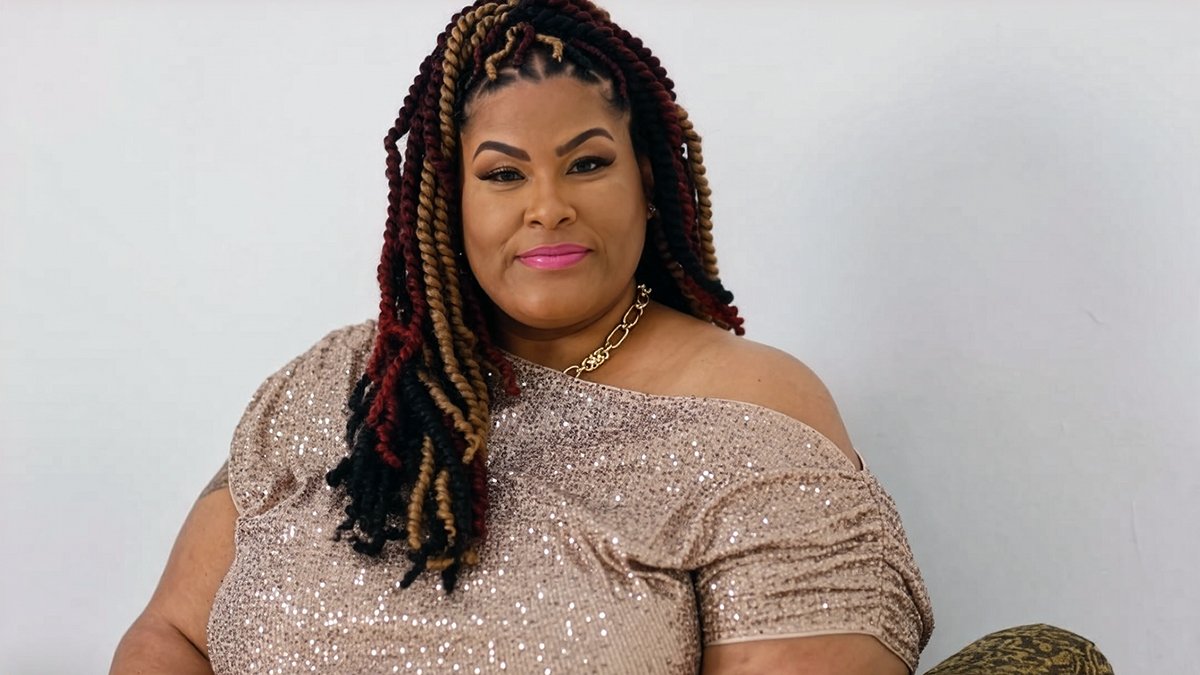

Shaneka Boucher is raising concerns about risks facing children in online gaming spaces, drawing on her background in public service and education. She points to ongoing reports from parents who say they are losing visibility into their children’s digital activity, especially after the COVID-19 pandemic drove a surge in screen time. Families have described patterns that resemble dependency, along with exposure to bullying, explicit content, and predatory behavior.
Boucher created SRTM Safe Gaming to improve online safety for children. She believes that online spaces should be as safe as places where kids play in person. In this interview, Boucher discusses the shortcomings in current policies, the weaknesses of existing protections, and the actions she thinks are needed to improve online safety for children.
What inspired you to transition from public service in Camden to founding SRTM Safe Gaming? And how did your experience shape this initiative?
The transition from city council to the work I do now really comes from a long-standing passion. I’ve always loved education and working with young people, so I was doing this work part-time. After COVID, I started thinking about doing it full-time, especially as more people began reaching out to me. It was something I tried to step away from, but I kept getting pulled back in. Safe Gaming came out of what I was hearing from families. Parents were talking about issues their kids were facing online, including bullying and excessive screen time. Some parents felt they had no control. I even had a personal experience where my godson’s mother considered taking him to a doctor because she believed he had an addiction, and he’s only five.
At the same time, I was seeing reports about predators targeting children through gaming platforms, along with incidents involving exploitation and even suicide. Given my background in education, my organization has always focused on stepping in when young people are at risk.
How do you define preventative youth safety, and how does that philosophy shape SRTM Safe Gaming?
We use a methodology grounded in best practices in education, including social-emotional learning, positive youth development, and the Harkness method. A lot of our focus is on self-actualization.
Social-emotional learning helps young people regulate their emotions, which is critical in gaming environments where frustration can build quickly. Through Safe Gaming, we provide coaching on teamwork, communication, and appropriate behavior to help prevent bullying and promote positive interaction.
Online gaming can present risks like cyberbullying and exposure to harmful content. How does SRTM address these challenges while keeping the experience engaging?
We train our professionals extensively, typically 40 to 50 hours, followed by certification. They also undergo background checks and are deeply trained in our methodology.
At the same time, engagement is central. We want kids to enjoy the experience. Participation is voluntary, and parents enroll their children. That creates accountability. Kids are honest. If they are not enjoying the experience, they will not return, so we focus on making it both safe and engaging.
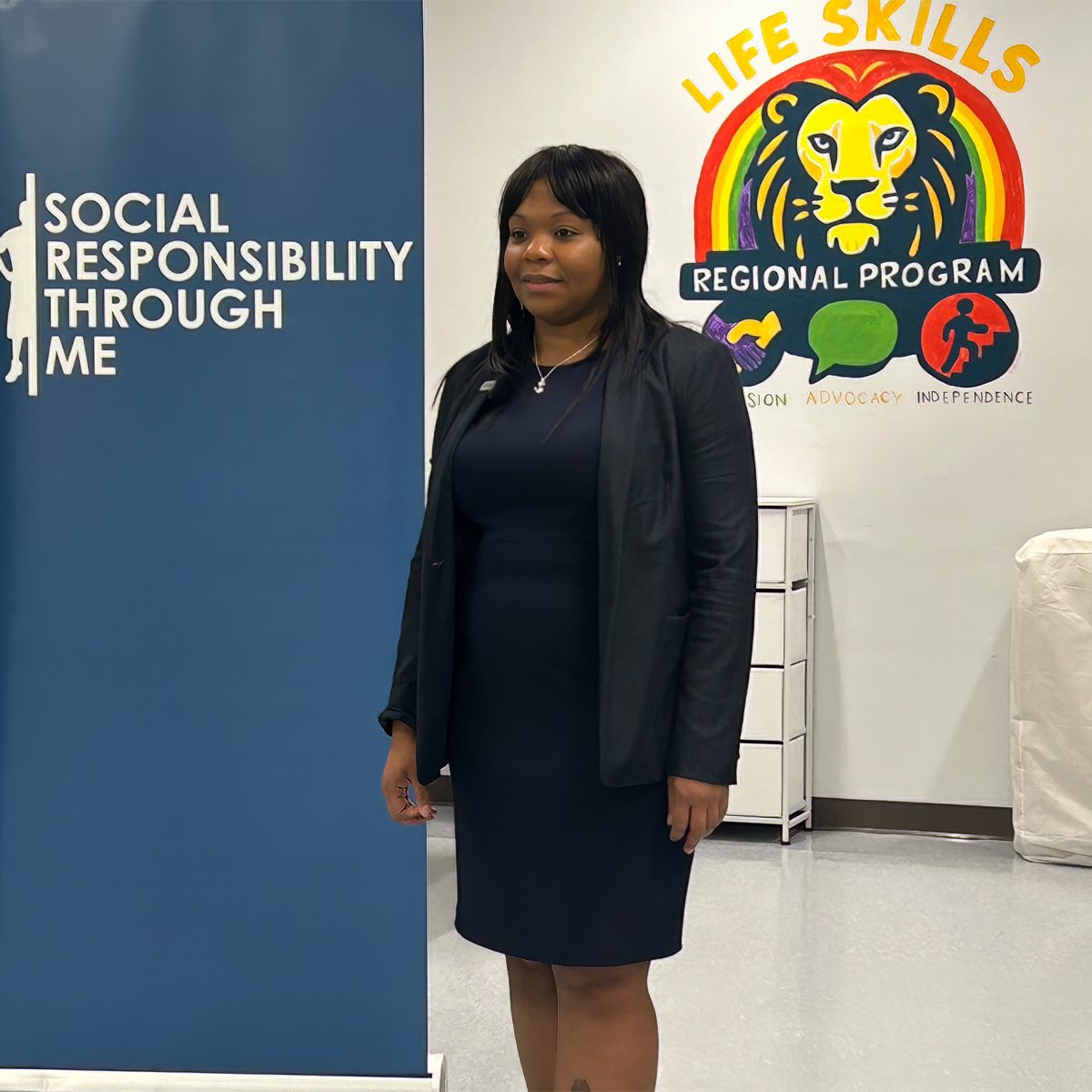
In what ways do you see public policy intersecting with digital platforms to create safer spaces for youth?
When we launched Safe Gaming, I was surprised by the lack of regulation. More recently, I’ve seen an increase in legal action tied to these platforms, which reflects that gap.
Parents often believe safeguards are in place, but there are many loopholes. Predators understand those gaps, while parents often do not. Our goal is to raise awareness and provide a controlled environment where we can better ensure safety. Even with parental controls, risks remain significant.
Can you share an example of how structured oversight has prevented or reduced harm?
Take a platform like Roblox. There are different “worlds” children can enter, and some may include inappropriate or explicit content. In our platform, we curate those environments. We also carry over policies from our school programming, including an anti-violence pledge. Parents agree to these standards during enrollment.
If a child engages in inappropriate behavior, they are flagged. Our staff intervenes, provides coaching, and explains the consequences. Continued violations can result in removal. This creates clear expectations and accountability for both children and parents.
Technology evolves quickly. How does SRTM adapt to emerging threats while staying accessible?
We stay current by working closely with young people and continuously researching trends. We also collaborate with professionals who specialize in these areas. We recognize that no system is perfect. If we detect a breach, we respond immediately. We also built a fail-safe that allows us to shut down the platform instantly if needed to protect users.
What role do community organizations and schools play in supporting your mission?
We are currently operating in four schools in New Jersey. Parents must enroll their children so they are aware of the program. Some families who normally prohibit gaming allow their children to participate because of the structure we provide. That builds trust. Schools have also been supportive because of our track record and established relationships.
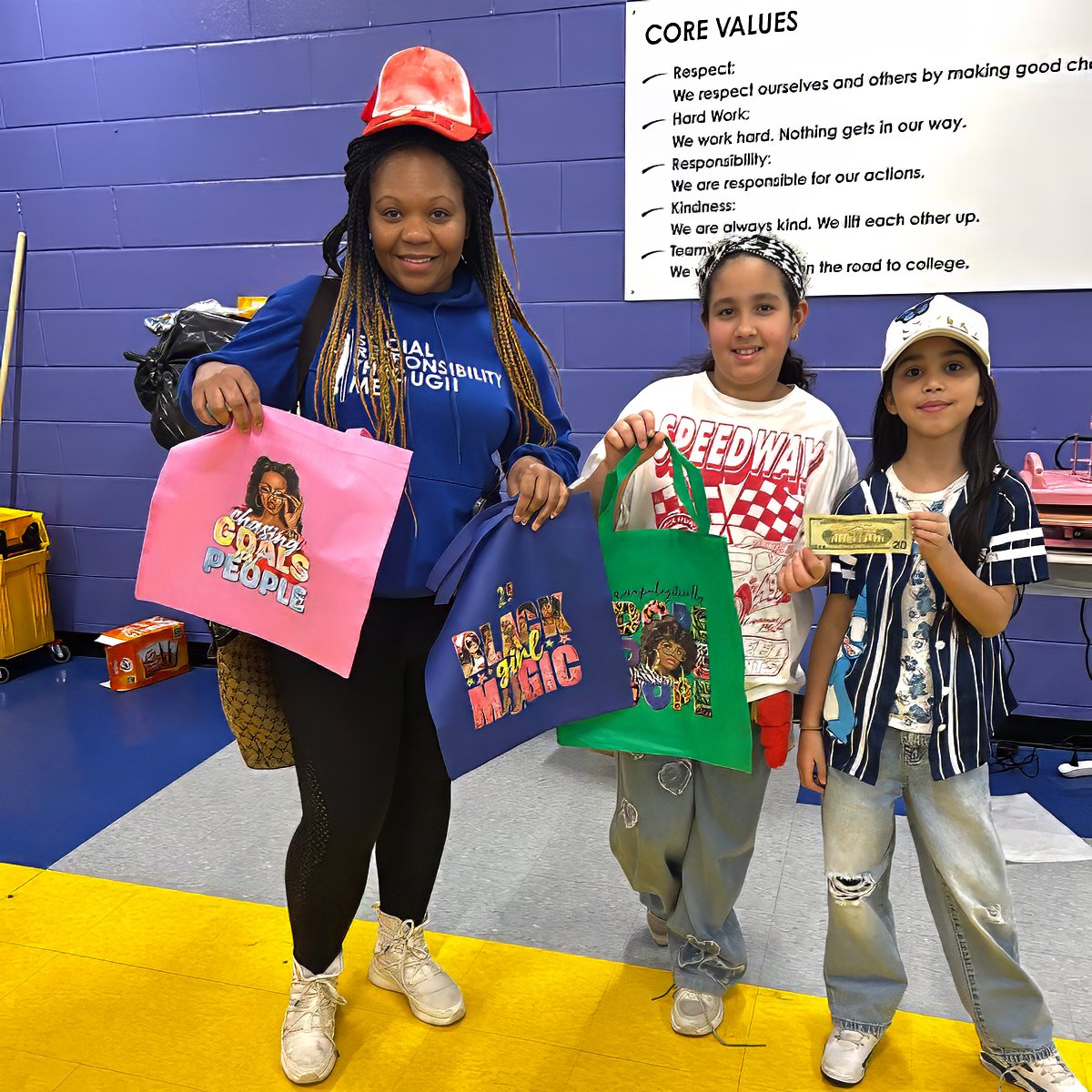
Looking ahead, what systemic changes would you like to see in online gaming?
I would like to see the same standards for child safety applied online as we use in physical spaces. We supervise children in parks, stores, and other environments. That same level of oversight should exist online.
There also needs to be accountability for individuals targeting children. Legislation has not kept pace with the risks. Building coalitions among educators, nonprofits, and parents will be critical to addressing this issue.
What advice would you give parents, educators, and policymakers who want to safeguard children?
Partnership and collaboration are essential. We need shared best practices because technology evolves quickly, especially with the introduction of AI. There have already been cases where AI tools have caused harm. We need to approach this collectively. Schools, faith groups, and youth organizations all have a role to play in building safer environments.
I understand you are also a grant writer. What led you to write a book on grant writing, and how does that connect to your work?
Grant writing became something I enjoyed because it allows us to communicate our work and vision. I wrote the book to help grassroots leaders access this knowledge. I believe in sharing information rather than gatekeeping it. A key lesson is aligning with funders without compromising your mission. Funding should support and strengthen the work, not change its purpose.
What key lessons from your grant writing experience are most important for organizations seeking funding?
Resilience is critical. Rejection is part of the process. Even strong proposals may not align with a funder’s priorities. That does not mean failure. It is an opportunity to refine your approach and find alignment with the right partners. It can be discouraging, but it is necessary for long-term success.
Be’n Original