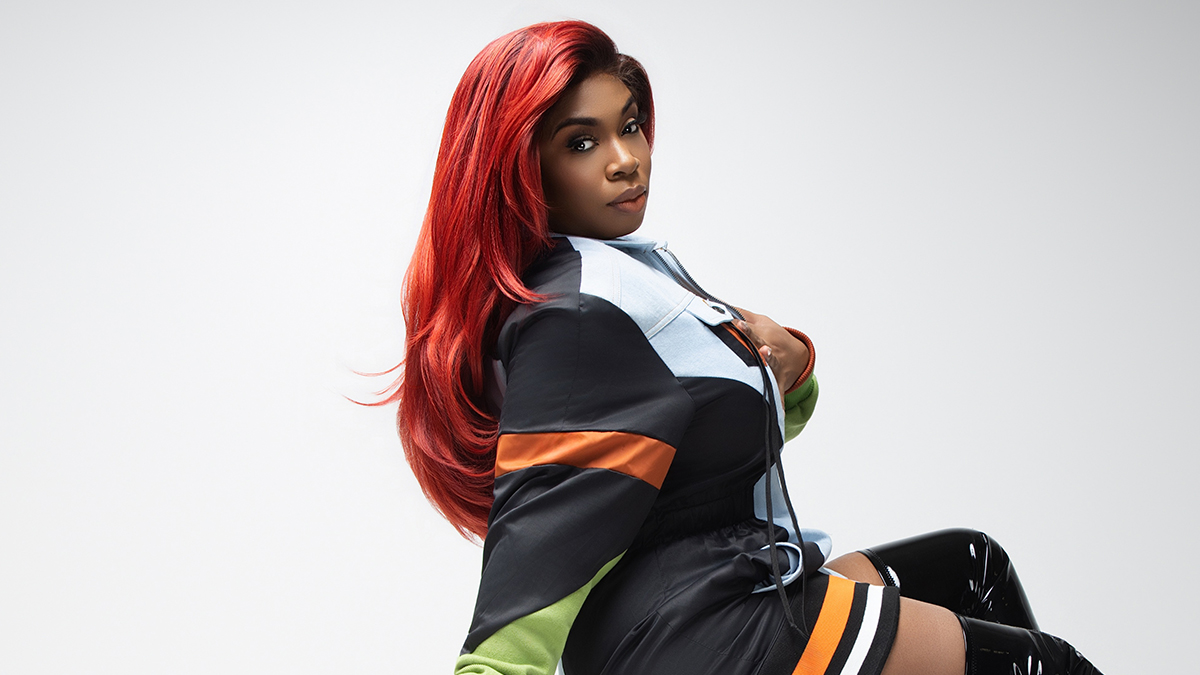
Ali Caldwell reflects on the experiences that shaped her career, from televised competitions to international stages. She also breaks down the creative vision behind her episodic project rollout.
You first gained national attention through televised singing competitions. How did that experience shape your approach to artistry and performance?
I learned a lot from being on those platforms—something different from each show. If I had to point to one thing, The Voice really expanded my understanding of performing. I already loved the stage and knew how to work it, but performing in front of millions is completely different.
It taught me how to draw people in and connect more deeply—not just with the audience in the room, but with those watching at home. It also taught me patience and gave me a clearer understanding of the artistic process.
Things aren’t as easy as they seem, and you really have to put in the work to see the results you want. That experience shaped me into the artist I’m still working to become.
You’ve performed across multiple countries and shared stages with major artists. What have those experiences taught you about connecting with audiences globally?
Music connects people everywhere, so in many ways, it’s the same no matter where you are. Whether you’re performing at home or overseas, the approach to connecting with people doesn’t change.
For me, it’s about staying open and not going in with expectations. I just show up ready for whatever comes and take things as they happen. Touring with major artists is like a masterclass—you get to observe how they move, how they perform, how they carry themselves. I try to take in every detail and apply it to my own growth.
This project is structured like a television season of episodes leading to a finale. What inspired that format instead of a traditional album rollout?
Being on television had such a lasting impact on me, and most of my fan base discovered me through those shows. Those experiences helped shape how people see me, but I wanted the chance to create my own narrative.
Structuring the project as episodes felt natural. It’s like creating my own version of a reality show—bringing listeners into my world the same way TV once did.
When my manager suggested the idea, it immediately made sense. It allows fans to feel like they’re part of the journey, leading up to a season finale where we close that chapter together and move on to something new.
The EP balances strong production with detailed vocal work. How intentional was that?
Very intentional. I’ve always loved vocal arranging—harmonies, layering, all of that. I record myself at home, so I’m constantly experimenting with ideas. I’ve been inspired by artists who prioritize vocal arrangement, and that’s stayed with me. Everyone I worked with on this project shares that mindset.
A-Natural, who collaborated with me, really understands vocal precision and how it should feel. The same goes for the producers and writers involved—we were all aligned. That kind of alignment is what makes a project work. Everyone was focused on the same exact goal.
You worked closely with James “A-Natural” Foster. What defines that creative partnership?
We’ve been friends for years, even before any of this took off for me. We worked together early on, doing reference tracks for major artists, so my voice was already circulating behind the scenes.
We’ve always had strong creative chemistry. He understands me as a vocalist and as an artist. It really came down to timing, and this felt like the right moment. Nothing was forced—it all came together naturally. That’s what made this project special.
With mixing and mastering handled within your team, how did you maintain consistency?
I stick to my circle. That’s important to me. Consistency comes from working with people who already understand your sound. A-Natural handles mixing and mastering for his own work and for artists on his label, so I was already familiar with his approach.
Keeping everything in-house made sense because we didn’t want to bring in someone who didn’t fully understand the vision. We built a sound together, and we wanted to maintain that from start to finish.
You chose to release on Bandcamp first. What does that strategy mean to you?
It means everything. Honestly, I think more artists should prioritize direct support. Streaming looks good on paper, but it’s not sustainable on its own.
In earlier eras, people bought music—physical copies or digital downloads—and that’s how artists built real careers. I want to bring some of that back. Platforms like Bandcamp also let you identify who your core supporters are, which helps you stay connected to them.
Purchasing music is one of the strongest ways to show support. Without that, it’s difficult for artists to sustain themselves.
You also mentioned the risks of relying entirely on digital platforms.
Exactly. You can’t fully rely on anything digital. If a system crashes or something gets deleted, it’s gone.
I’ve experienced that firsthand—my YouTube page was hacked and erased. Years of work disappeared overnight. That’s why direct support matters. When people invest in your work directly, that support lasts in a way that streaming doesn’t.
If this is the opening chapter, what should listeners watch for as the story continues?
Pay attention to the details, especially in the visuals. I’m putting a lot of creativity into them, and there are hidden elements throughout.
Even within the music, there are small hints—like the teaser at the end of the EP. Those are intentional. I want listeners to connect the dots as the project unfolds and understand how everything ties together from episode to episode, leading into the finale.
Thank you for taking the time. This was great.
Thank you. This was such an easy conversation—I appreciate it.
Be’n Original