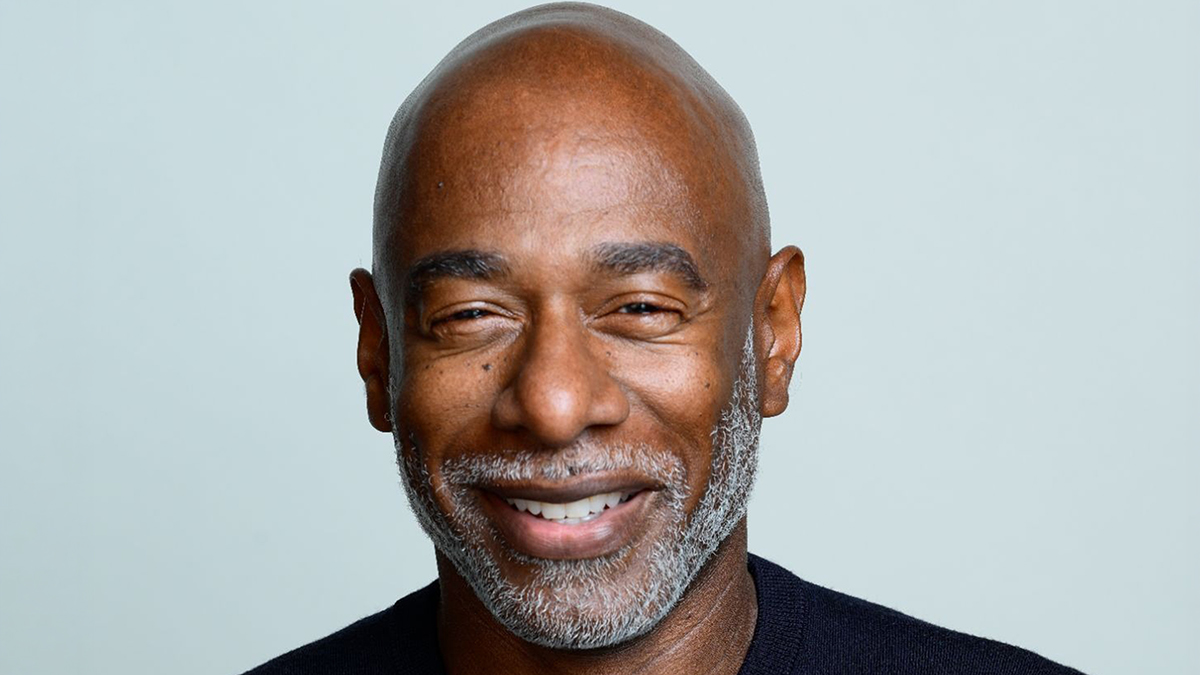
Michael Elliot discusses the emotional core of his films, the importance of Black romantic storytelling, entrepreneurship, and the responsibility he feels to create lasting cultural images.
Your films Brown Sugar and Just Wright are often cited as defining modern Black romantic storytelling. What emotional truth were you chasing in those scripts that still resonates today?
Love is the key. That’s why I focus so much on writing love stories. It’s something we need more of. Despite Hollywood’s inconsistent appetite for romance—particularly Black romance and Black romantic comedies—I keep pushing forward because I believe those stories matter. At their core, Brown Sugar and Just Wright are love stories. That’s what I connect to, and that’s what I want to give the culture. Hopefully, I can do it in a way that lasts.
You’ve said storytelling is shaped by music. How did music influence the structure and pacing of Brown Sugar?
Music — especially hip-hop — was more of an inspiration than a structural device. From the first time I heard “Rapper’s Delight” as a teenager, I fell in love with the culture. Years later, when I became a screenwriter, I wanted everything I created to be influenced by the music and culture I loved. Brown Sugar was clearly a love letter to hip-hop. Just Wright was conceived as a vehicle for Queen Latifah, who was a rapper long before she became an actress. Being able to cast Queen Latifah and Common as romantic leads, or having Mos Def in Brown Sugar, were ways to infuse those films with the spirit of hip-hop culture.
With Ruth & Boaz, you reinterpreted a biblical love story for a contemporary audience. What were the biggest creative risks in modernizing such a well-known narrative?
The biggest risk was attempting the concept at all. People are deeply protective of the Bible, and we understood that some viewers might feel you shouldn’t reinterpret biblical stories.
But we believed the Bible contains timeless lessons. We saw an opportunity to take a lesser-known story and reimagine it in a modern way for a platform as large as Netflix. At its heart, the story is about vulnerability, healing, and unconditional love. Ruth is a woman carrying pain and fear, and Boaz loves her fully despite that. That message made the risk worthwhile, and I’m proud of the film.
Your work often centers on growth within relationships. How do you write evolving characters without losing audience empathy?
The characters I create are familiar to me in some way. Like real people, they’re flawed, but they also have redeeming qualities. I try to make them feel authentic and grounded. Most importantly, they want something — love, forgiveness, success, family. Those desires are universal. When audiences recognize themselves in a character’s hopes and struggles, they begin rooting for them. That’s a major part of the craft for me.
One thing many people applaud about your work is the way you portray Black life outside of stereotypical narratives. Was that intentional?
Absolutely. It’s one of the reasons I became a screenwriter in the first place. I was tired of seeing us portrayed in limited ways. I remember sitting in a theater watching trailers and noticing how few Black people were featured in leading roles. I wanted to help change that.
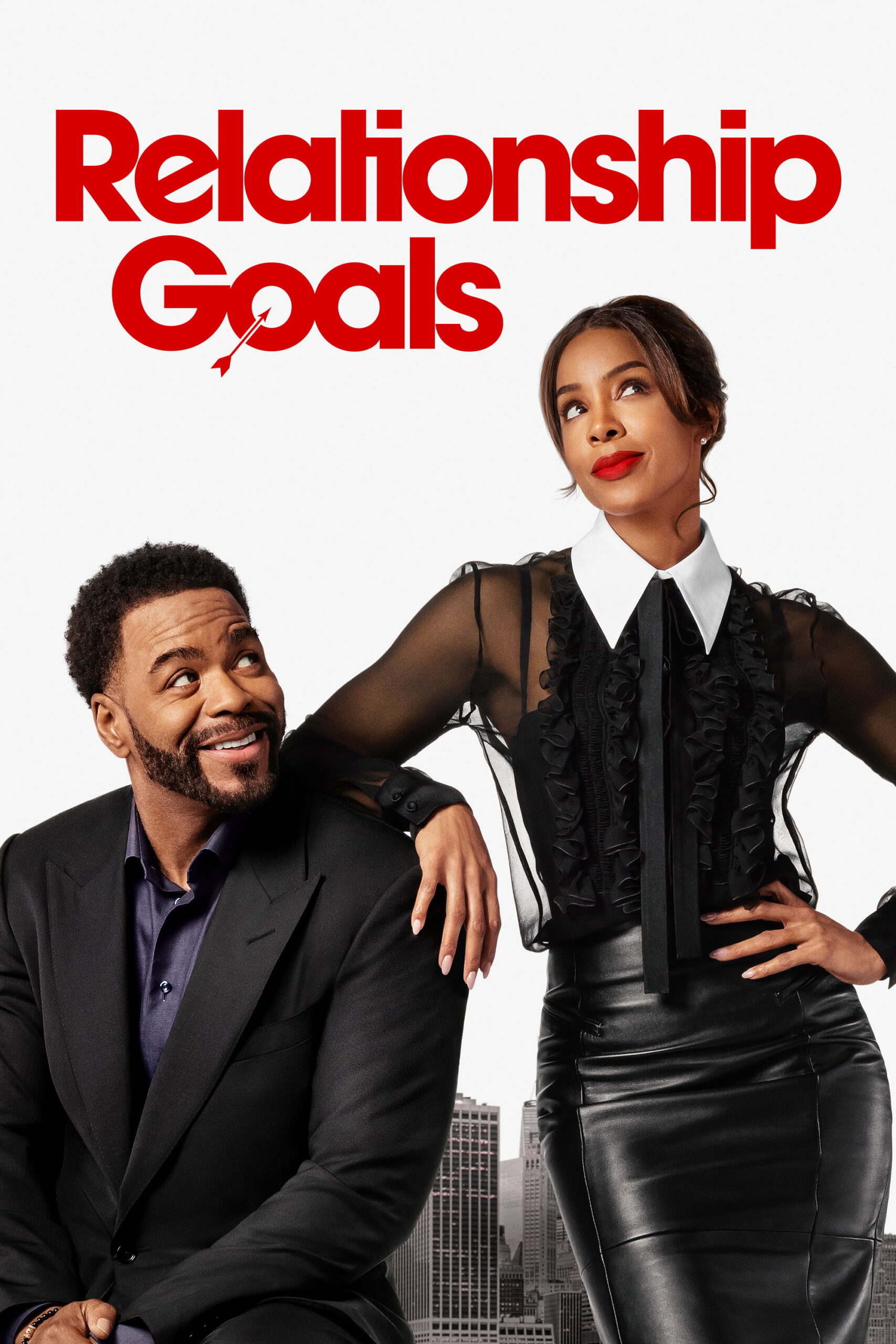
With Brown Sugar, it was intentional that Sidney was a magazine editor and Dre was a music executive. Even the scene where Sidney writes Dre a check was deliberate. I remember a reviewer saying that moment felt unrealistic. That reaction is exactly why I do what I do. Black people own homes. We build businesses. We support each other. Those realities deserve to be reflected onscreen. In Just Wright, it was important to show a loving Black father fully supporting his daughter. In Ruth & Boaz, Boaz owns a vineyard. In Relationship Goals, Kelly Rowland’s character is pursuing a major executive role. We need aspirational, successful, and emotionally grounded Black characters. That has always been my mission.
With Relationship Goals, what aspects of modern love did you feel were missing from romantic comedies?
That project was inspired by Michael Todd’s nonfiction relationship book, so my focus was on translating those ideas into an entertaining cinematic story. The themes of faith, purpose and spiritual alignment in relationships felt important. I wanted audiences to absorb those lessons naturally, without the film feeling preachy. If viewers walked away entertained while also reflecting on love, faith, and partnership, then we accomplished our only goal.
You’ve argued that Black romantic comedies need sustained investment rather than one-off support. What would a long-term strategy for the genre look like?
We have to support these films consistently—financially and culturally. If a Black romantic film opens in theaters and you care about seeing more of them, show up opening weekend. Buy tickets. Stream the projects. Support independent releases as well as studio films. Opening weekend numbers determine future opportunities. Studios make decisions immediately based on performance. I also think we spend too much time publicly criticizing Black art instead of celebrating the achievement itself. Creating a film from nothing takes enormous work and provides opportunities for hundreds of people. We should be proud of those wins and support them more aggressively.
How do you balance culturally specific storytelling with universal appeal?
That balance reflects my own sensibility as a storyteller. I’m from North Philadelphia, so my stories are naturally culturally specific. But I also want them to feel universal. I don’t create films meant only for Black audiences. Before becoming a writer, I loved films like When Harry Met Sally, Sleepless in Seattle, and You’ve Got Mail. Those movies resonated with me emotionally, even though they weren’t centered on people who looked like me. That inspired me to create stories rooted in Black experiences while still speaking to universal emotions and relationships.
Opening weekend performance often determines what gets greenlit next. How should audiences think about their role in shaping the future of Black cinema?
It’s critical that audiences show up opening weekend for films created by or starring Black people. People often say, “I’ll wait until it’s streaming,” but opening weekend can determine whether a movie survives theatrically at all. Studios analyze Friday numbers immediately. Those results influence theater counts, marketing support, and future investments in similar films. If we care about Black cinema thriving, we have to support it when it matters most.
After creating one of the defining Black love stories of the modern era, what continues to motivate you?
Because I still have more inside me. I’m a man of faith, and I believe I’ve been given a gift and a responsibility to use it. I taught myself screenwriting by reading a book and studying movies from Blockbuster. Fourteen months later, I sold the screenplay that became Brown Sugar. I don’t think that happened by accident. There are still stories I want to tell. I still want to create a romantic comedy for Halle Berry. I’d love to do one for Keke Palmer, too. As long as there are stories left in me, I’m going to keep creating.
Be’n Original