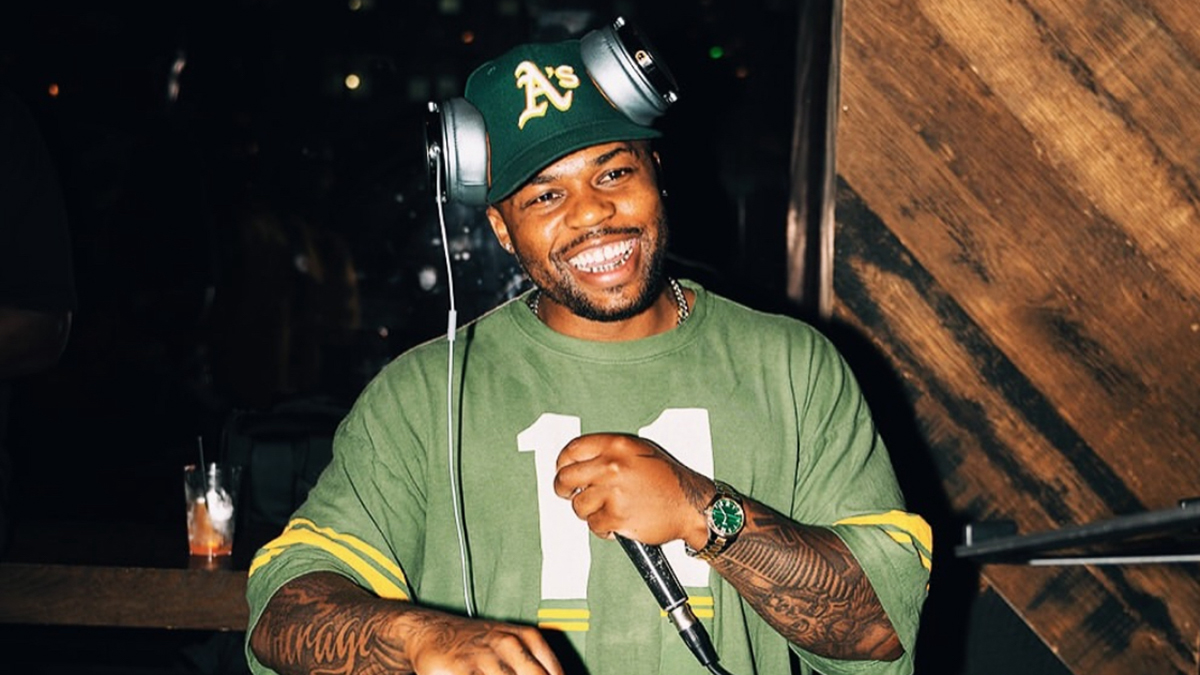
For DJ No Name, success goes far beyond moving crowds. The Dallas-based DJ and entrepreneur wants to create experiences that bring people together while building businesses rooted in community. Over the past decade, he has expanded beyond music, opening a barbershop and coffee shop and preparing to launch a chicken restaurant in honor of his late grandmother. Along the way, he has faced challenges that tested his focus, including a dispute over a canceled event at the Statler Hotel.
Still, DJ No Name remains committed to ownership, mentorship, and making memories that last beyond a night out. In this exclusive interview with Urban Magazine, he shares his perspective on the Statler controversy, discusses his entrepreneurial journey, and explains the legacy he hopes to leave.
The Statler Hotel situation has generated a lot of conversation. Can you walk us through what happened from your perspective and how that experience affected you personally and professionally?
I had been curating events with the Statler Hotel for a little over a year and a half, and we had built a working relationship. They changed managers over time. My first year was seamless. Then management changed, and that manager and I didn’t get along too well. They ended up firing him and invited me back around May. I did two events with them without any issues. They reached out and said they wanted me to do every Sunday. So I canceled my other Sunday obligations to make that shift. It was May or June, and we only had a few months of summer left, so I decided to go with it.
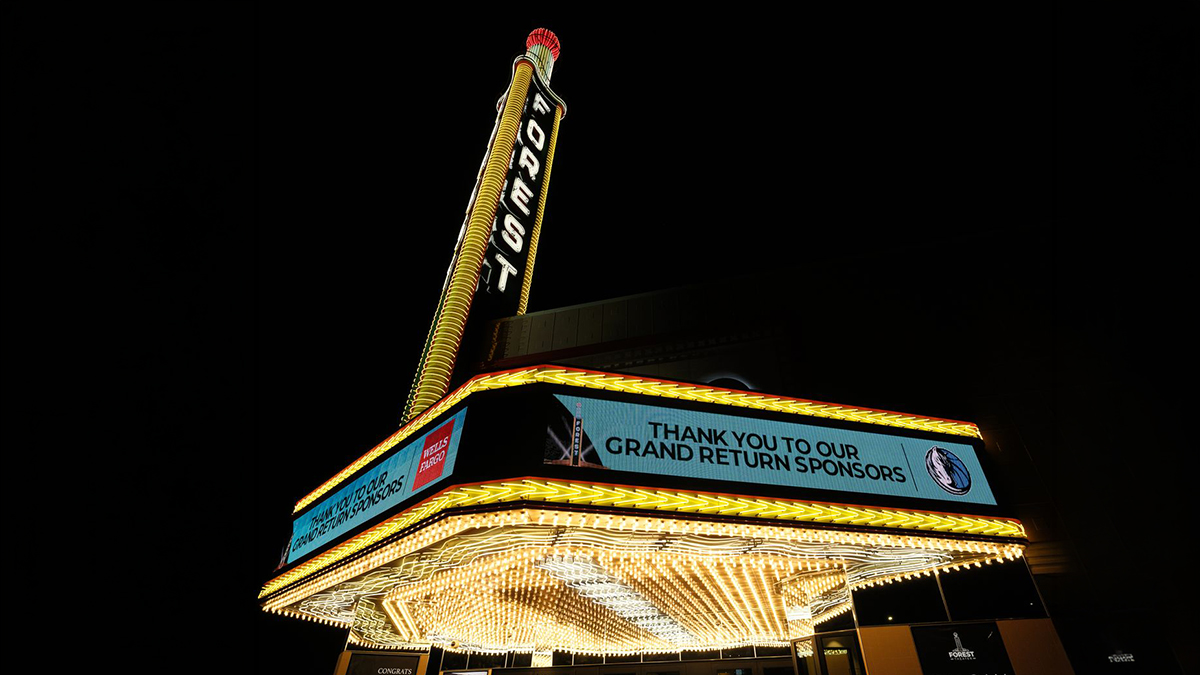
I planned an all-white party for right before Labor Day. Four or five days before Labor Day, they called and said they were canceling my party. I asked why. I already had about 300 tickets sold that I would have to refund. I had spent money on promotion and paid DJ deposits. I needed a viable reason. Basically, they told me they didn’t have one. It was an “it is what it is” situation. Then, a day or two before my event was supposed to happen, they held an all-white party on their rooftop after canceling mine just days earlier. That was pretty much the situation.
When controversy puts you in the public eye, people often form opinions before hearing the full story. What is the biggest misconception surrounding the Statler situation, and what do you want people to understand?
The biggest misconception, especially among my customers, was that it was a bad business deal or that I had misled them. Some people still showed up because I didn’t have enough time to send as many emails or make as many posts as I wanted to get everybody on the same page. I want people to understand that the situation was completely out of my hands. I felt like the rug had been swept out from under my feet. There wasn’t much I could do at the last minute besides try to adapt, change venues, and do the best I could.
I want people to know this was an issue with the location and its business decisions, not with my team, Supper Club, or me, DJ No Name. I just want to clear my name and move on from the situation.
You’ve expanded your brand beyond music, owning a barbershop and a coffee shop. What inspired you to pursue entrepreneurship, and how did you decide which businesses to invest in?
I’ve been an entrepreneur for the last 10 years. I’ve never really worked a day job or a nine-to-five, so it’s always been in me, not on me. What I wanted to do here in Dallas was build community and culture. I chose the barbershop and coffee shop because they were a way to bring people together, create conversations, and build relationships with like-minded individuals. I also wanted to reach younger people as they grow.
We’re in a community in Carrollton with a lot of single-family homes. We wanted to create an opportunity for outreach and mentorship, particularly through the barbershop. I’m not a barber myself, but it gave me a way to bring these ideas together. The coffee shop offers another social space where people can sit down and stay a little longer.
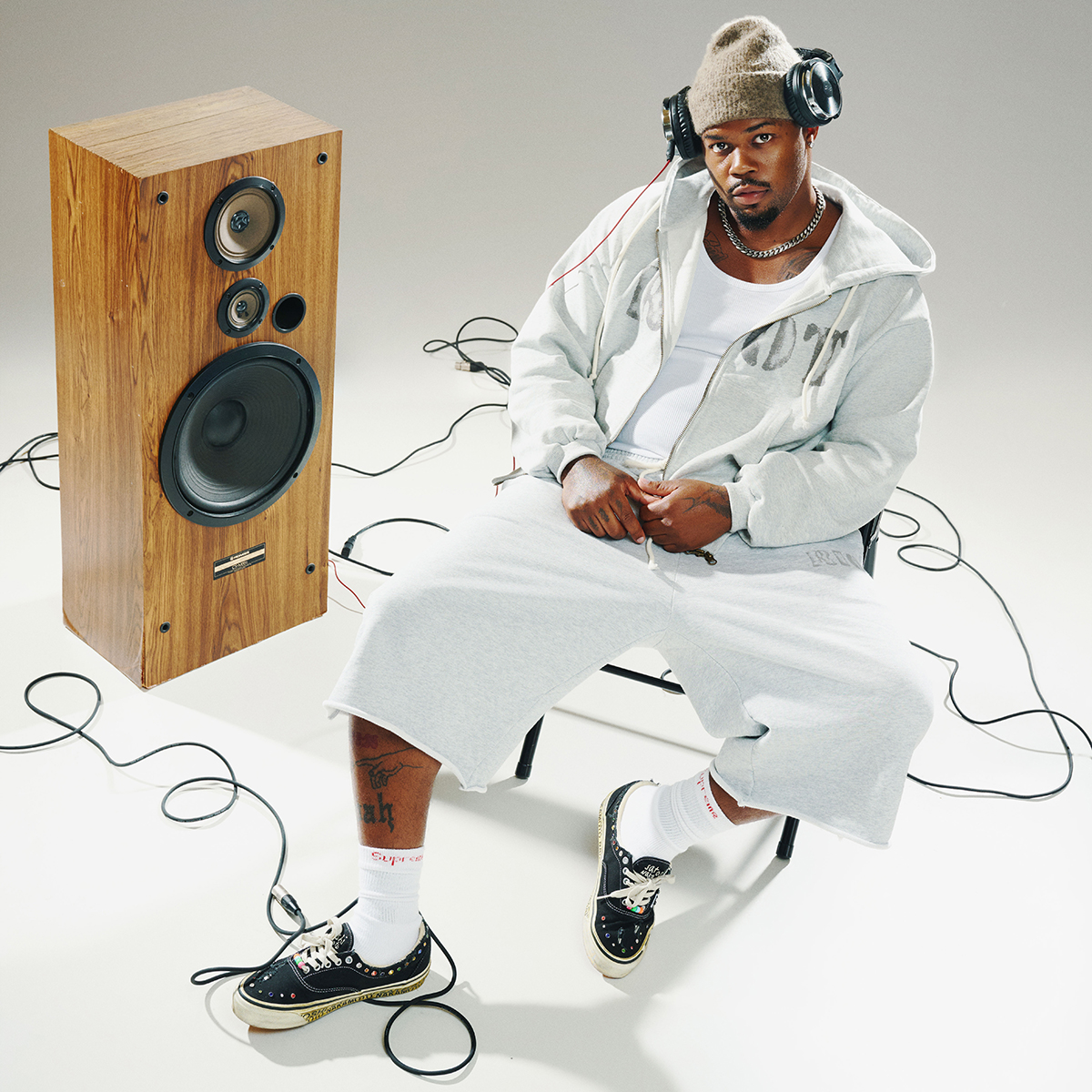
You’re preparing to open a chicken spot in honor of your late grandmother. What role did she play in your life, and how are you incorporating her memory and legacy into the restaurant?
My granny was everything to me. She taught us our core values and allowed us to be children as we grew up. I respect every part of who she was as a grandmother. My parents were divorced. My dad lived in the Los Angeles County area, and my mom lived in Dallas, so my grandmother was that piece of my dad I had when I was away from him. She stepped in and filled those spaces, and we had a very close relationship.
She passed away about four years ago in a house fire, and that really affected our family. Like anyone, she had her struggles. As we got older, she became more distant because of things she was dealing with mentally. I wanted to find a way to keep her name and memory alive through something she loved: cooking. She made fried chicken and chili beans for us on Sundays. That was our Sunday meal, and it was something she was known for in the family. We wanted the chicken spot to make sense as a business while also honoring her.
Running multiple businesses while maintaining a DJ career requires discipline and vision. What has been your greatest challenge as an entrepreneur, and what lessons have you learned along the way?
My biggest challenge has been staying focused on one thing. When you’re an entrepreneur, especially a creative, it’s easy to get distracted. So many ideas and concepts inspire you to do different things and put your hands in different baskets. What I’ve learned most is obedience and self-control. Entrepreneurship gives you a lot of freedom. You might make somebody’s rent or salary in one weekend, but you also have free time that you can spend in places that don’t help you grow.
Over the last 10 years, I’ve learned to stay focused on what I want to do and where I want to go instead of falling into everybody else’s routine. As an entrepreneur, you decide what fun looks like and have to find that balance. It took a lot of self-control, especially with time management and how I spend my free time, to get where I am today.
DJing is about more than playing records. It’s about understanding music, reading the crowd, and creating an experience. How would you describe your approach, and what separates DJ No Name from other DJs?
My approach mostly comes from wanting to see people on the dance floor, dancing and enjoying themselves. A mentor once explained it to me this way: As a DJ, you have an opportunity to bring so many different personalities into one space. Somebody might be dealing with depression, somebody might have lost a family member, and somebody might have just had a long day at work. With music, you have an opportunity to get them to move, smile, dance, or remember a happy time in their life. That has been my biggest goal since I became a DJ.
What separates me is that I’m very intentional about it. Every space is curated around how I want people to feel, not how they felt when they walked in. I think that’s what sets me apart from a lot of other DJs here in Dallas.
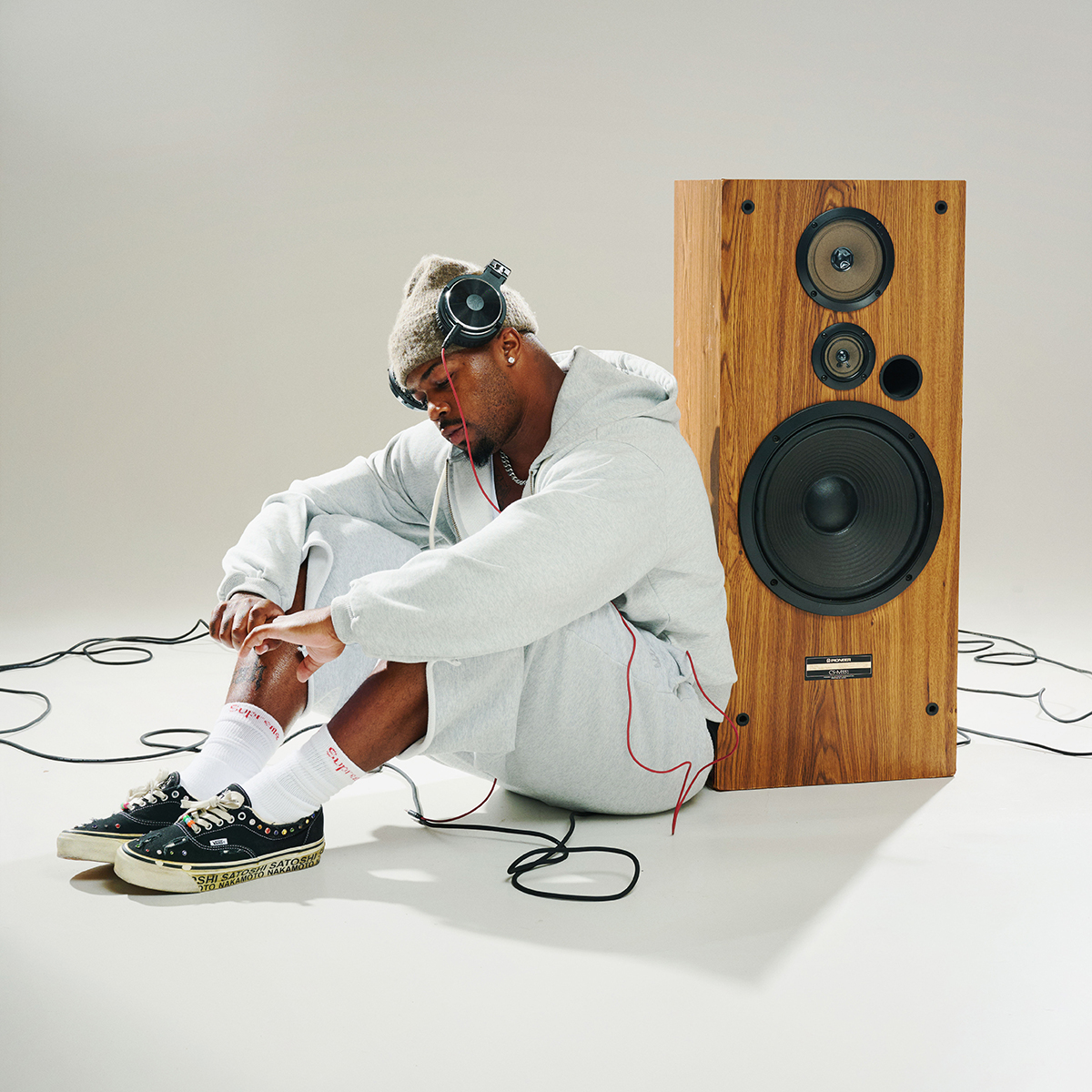
With technology making it easier for almost anyone to become a DJ, do you think the art form has lost some of its originality?
Oh yeah, definitely. But I don’t think it’s hard to separate the good from the fake. At the same time, music is for everybody. I’m not the kind of DJ who would tell somebody not to give it a try. I started by playing around with it for years before I took it seriously and turned it into a career.
I encourage people to try it. Buy a board and learn how to use it, even if you’re only doing family functions. You never know how much money you might save by creating a playlist yourself. Music is part of everybody’s everyday life. I think it’s a good thing to learn and be creative with, especially if you’re looking for a hobby.
Throughout your career, you’ve undoubtedly experienced moments when music brought people together. What performance or experience reminded you why you fell in love with DJing?
That’s easy. This February, a little before Valentine’s Day, I had an opportunity to work with the Renaissance Orchestra from Atlanta. We put together a concert at the last minute, in about seven days, and sold around 1,200 tickets. We sold out the venue on back-to-back days, added another date, and sold that out, too.
Seeing the smiles and the energy in that room was unmatched. It felt like we could have done that show in a shoebox and still created exactly the experience people came for. It felt good to watch what being a DJ and curator could do for so many people in such a short time. It was probably one of the largest crowds I had performed in front of at that point.
Since then, I’ve performed in front of thousands of people, including during FIFA-related events. Opening for A$AP Ferg was another big moment for me. These experiences have let me see how everything has unfolded.
When you look at everything you’re building, from your DJ career to your businesses and community involvement, what do you ultimately want your legacy to be, and what’s next for DJ No Name?
I want to be remembered for being intentional about the spaces I create, how those spaces made people feel, and, most importantly, for making sure people got home safely. I don’t care as much about the money or even my own experience. I care about creating something that people will remember. I hope people can look back and say, “Do you remember that night with DJ No Name?” Whatever they felt that night—whether it made them happy or even made them call an ex—I want them to have a memory tied to something I created.
What’s important to me now is ownership. I want to keep building my barbershop, my community work, and the chicken spot. We’re expanding in Carrollton, but I want to expand into Dallas in the near future, continue bringing events to Dallas, and hopefully take those experiences to other cities and states.
Be’n Original