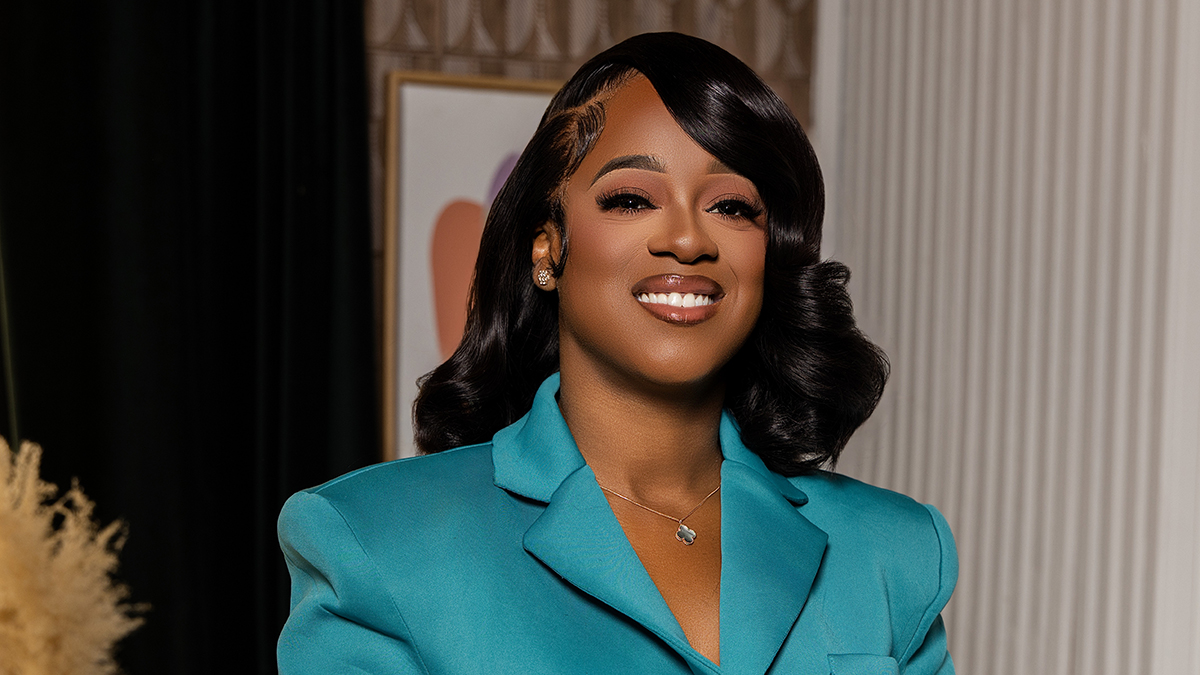
Na’Asiaha Simon’s journey is one of faith, resilience, and purpose. After undergoing four brain surgeries in five years while managing idiopathic intracranial hypertension, the communications professional and entrepreneur has learned to approach life with greater intention, stronger boundaries, and a deeper commitment to advocacy. Survival became more than a personal victory. It became a call to serve others facing similar uncertainty.
In this conversation with Urban Magazine, Simon discusses faith, community, self-advocacy, the impact of her health journey, and why she believes sharing her story can help save lives.
Let’s start with your health journey. You recently underwent your fourth brain surgery. What has allowed you to maintain your faith through everything you’ve experienced?
I think a lot of it comes from my upbringing. I was always raised to believe I could do anything I put my mind to, but I also believe the Lord gives me the strength to accomplish things and get through anything. I felt like I had no option but to survive and get through every surgery. I kept reminding myself that God was with me, that I was never alone, and that I could make it through.
With everything you’ve endured, what would you like people to take from the perseverance it took to overcome these obstacles?
I hope it inspires people to speak up for themselves. One thing I don’t talk about often is how many doctors I went through before finding the right one. It’s important to research your medications, treatments, and doctors.
There were times when I was given medication that had nothing to do with the pressure or fluid retention around my head. Researching and advocating for myself became extremely important. I kept looking until my parents and I felt comfortable with the treatment I was receiving.
Most importantly, I want people to understand that they shouldn’t give up. It gets rough, but I always go back to my faith and the belief that God would not give me more than I could bear. Our lives can also become testimonies for other people, showing what is possible when we remain resilient and determined.
How has your experience influenced the way you encourage people, particularly within the Black community, to take their health more seriously?
I think Black men and women have to take our vision, headaches, and overall health more seriously. For me, I thought I was simply having another headache and that it was normal. It wasn’t. That headache eventually led to discovering my tumor and learning about narrowing in a vein in my brain. One symptom led to several other discoveries.
We need regular checkups and eye exams, and if something feels wrong, we should get it checked. Don’t automatically assume recurring headaches are something you just have to live with. Listen to your body and take your health seriously.
You’ve built a career in communications while navigating major health challenges. How has your professional experience shaped the way you approach your life and tell your own story?
Working in communications, marketing, and PR can make everything feel urgent, like everything has to happen right now. I’ve had to learn to pace myself. Because of my health risks, I’m much more intentional about managing stress. I’m not as anxious as I was in the past, and I’ve established boundaries around work. I’m definitely not working until 2 or 3 in the morning anymore. Rest is important, and so are boundaries and listening to my body.
I’m also much more selective about the projects I take on. They have to be impactful and community-based. I want to work on things that can make a difference while also protecting my peace and maintaining my health.
Your story sits at the intersection of health, leadership, and service. When did you realize your personal experience could become part of a broader mission?
It really happened with this last brain surgery. When I learned I needed another surgery and that they were going to replace and reroute the tube to my heart, I was scared. But after praying about it, I realized this was much bigger than me. I knew I needed to tell the entire story, not only from a physical health perspective but from a mental health perspective as well. Dealing with this for almost six years has been daunting.
After my last surgery, I reflected on everything I had been through and realized it was time to share. It’s not every day that you meet someone who has had four brain surgeries in five years while also running a business full time. I’m an entrepreneur, a daughter, the oldest of nine, and active in my sorority. I juggle all of those things while still making my health my No. 1 priority.
People may relate to one piece of my story or all of it. I want to create a support system and space for people who may be experiencing something similar.
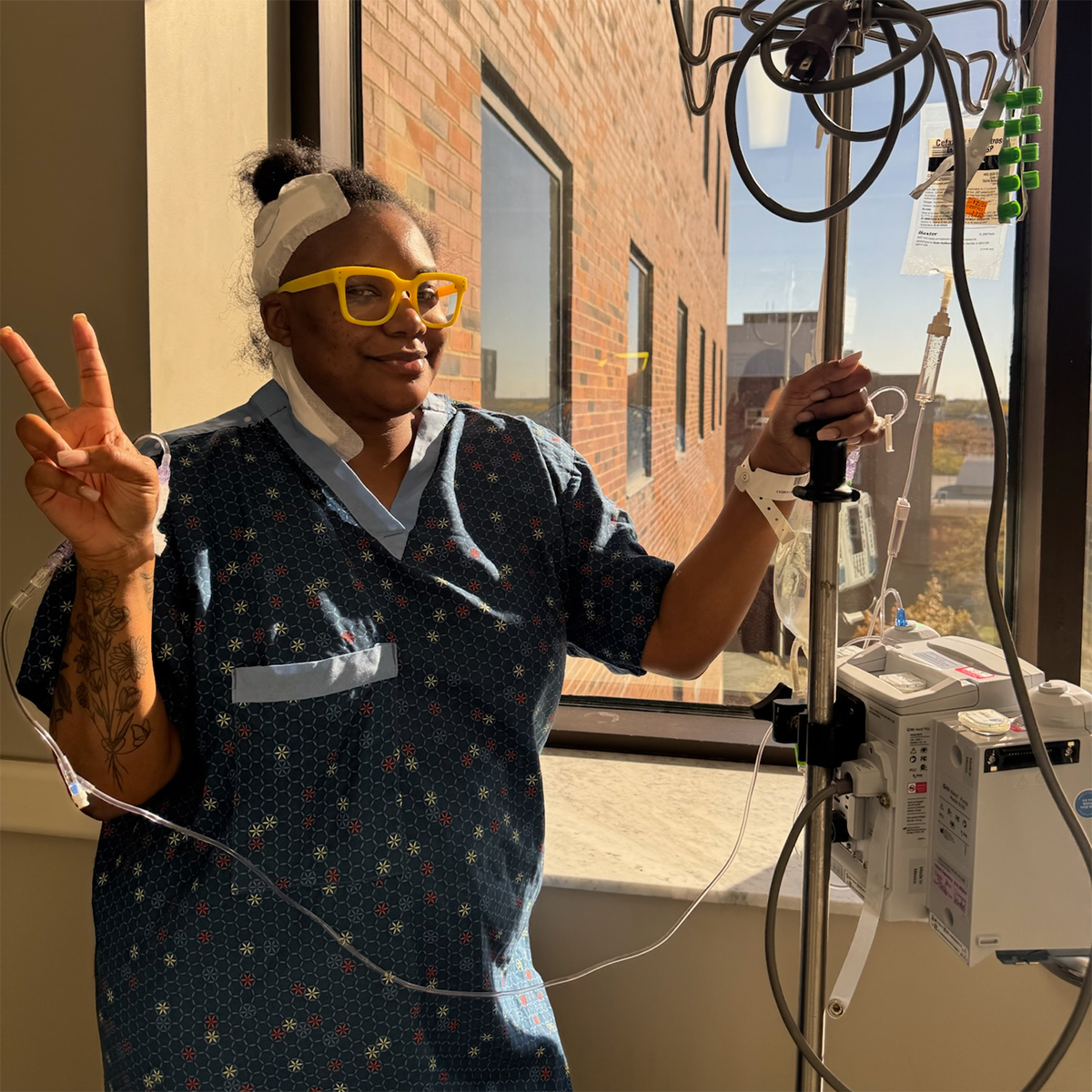
What was it like stepping forward and making your health journey part of a public conversation?
It was intimidating. I dealt with a little imposter syndrome because sometimes it’s difficult for me to believe how much I’ve actually been through. I’ve always tried to focus on the positive side and sometimes avoid thinking about everything that happened. But now that my story is public, it feels good.
My biggest prayer is that it inspires somebody to want better for themselves, whether that means improving their mental health, physical health, or overall wellness.
How has living with idiopathic intracranial hypertension changed the way you think about advocacy, access to information, and patients understanding their own care?
It has changed a lot. It’s a rare brain condition, and many people don’t know about it. That was one of the reasons I wanted to establish an education and research fund, so doctors can have additional resources to research and investigate the condition. I also want to support students who may be interested in pursuing this area of neurology. My surgeon spent decades studying and training to reach this point in his career. I often think about what would have happened if he didn’t have the financial support, research opportunities, clinical experience, and training that allowed him to develop his expertise.
I might not be here today. If my advocacy can help give another doctor or student the resources they need to eventually save someone else’s life, then I need to get to work.
You chose to establish the fund at Ohio State University, where you received treatment. What does that institution represent to you beyond the medical care you received?
Ohio State is home for me. It feels like family. Before receiving treatment there, I had been to several other hospitals and never felt completely comfortable. At times, I felt like I was being rushed toward surgery or different medications. At Ohio State, every nurse, doctor, and person I encountered treated me with kindness. They educated my parents and me, and they always asked whether a treatment was something I wanted to do.
That kindness mattered. I never felt like it was simply about money or moving me through the system. They helped us navigate insurance and access resources, and they continued checking on us after surgery. My relationship with my surgeon, Dr. Powers, became like family. That level of care made a tremendous difference.
Through your work as a leader and your recovery, what have you learned about the importance of community support?
When I think about community, I think about openness and transparency. From the beginning, I’ve never been ashamed to tell people I was having brain surgery or that I needed help. One of my biggest lessons has been learning to be OK with where I am in life and not being afraid to ask for support. Whether I was in Ohio, New York, or California, I created group chats and told my family and friends what I needed. I might say, “I’m going to be recovering for three months. Can someone stay with me? Can someone watch my dogs?”
The way my family, friends, sorority sisters, and community showed up for me is something I will never take lightly. Before my last brain surgery, my girlfriends, sorority sisters, and cousins squeezed into the room with me at 6 in the morning and prayed together.
That moment showed me why community matters. People will show up for you, but sometimes you have to be willing to ask.
You’ve said you want the fund to support education and research. Why is investing in the future of neurosurgery important to you rather than focusing only on awareness of your condition?
: Because it’s much bigger than me. People may not understand how different parts of the brain, blood flow, fluid, vision, and other functions can be connected. Research can help us better understand those connections, and then we can take that information into communities. Before my own experience, I would never have known that the reason my blind spot was expanding was because there was fluid affecting my optic nerves.
There is so much we don’t know until something happens to us. If we continue investing in research and then use that research to educate communities, we can help people live healthier lives. To me, that is what service is really about.
As you move into this next chapter, how do you see your role evolving as a businesswoman, advocate, and community leader?
I’m praying about it every day. I don’t know exactly what God is going to do with this project, but I believe that if He gave me the vision, He is going to see it through. I see myself speaking more about my experience and advocating for patients to receive the resources and help they need. I also see bigger stages in my future.
I know it will take time, but I’m here to serve, speak up, and make a change. Ultimately, I want this education and research fund to help save lives.
Support Neurosurgery Research with Na’Asiaha Simon today: https://give.osu.edu/nysimon
Be’n Original