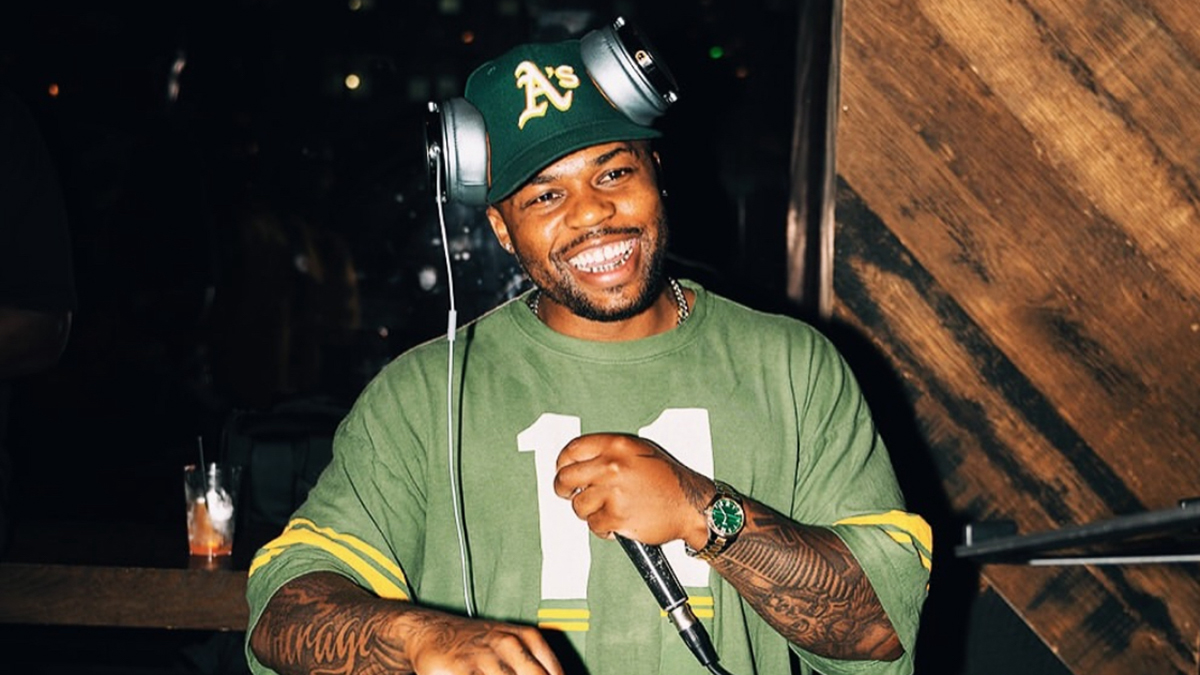

Druski’s viral megachurch pastor skit is getting a much bigger platform. On November 2, Netflix announced a multiyear partnership with the comedian, with its first project being Collect & Praise, a semi-scripted comedy series inspired by his popular pastor character. Set to premiere December 1, the series will follow a money-hungry megachurch pastor, played by Druski, and his unpredictable deacon, portrayed by Mike Epps, as they navigate scandals, chaos, and controversy. What started as a social media joke is now becoming a full television production.
The original skit, captioned “Mega Church Pastors LOVE Money,” featured Druski portraying an over-the-top preacher who arrived at the pulpit in designer clothing, demanded large donations from his congregation, and made increasingly outrageous requests for money. The exaggerated performance was entertaining to many viewers, but it also struck a nerve with some members of the Christian community. For some, the portrayal felt disrespectful to pastors and the church as a whole. Others recognized familiar behaviors that have fueled criticism of certain religious leaders for years.
The skit’s details were exaggerated, but some of its references were rooted in real controversies. Druski joked about keeping church doors closed until a fundraising goal was met, a scene that echoed a 2024 incident involving Pastor Marvin Sapp. During a meeting of the Pentecostal Assemblies of the World, Sapp instructed ushers to keep the doors closed until a $40,000 fundraising target was reached. He later said his comments had been misinterpreted and described them as a call to stewardship. Druski also poked fun at pastors displaying expensive designer clothing and luxury vehicles, a recurring subject of public debate about wealth in the pulpit.
That context helps explain why the skit resonated beyond its punchlines. For some churchgoers, giving is an expression of faith and a way to support the work of a congregation. But when fundraising feels more like pressure than an invitation, or when a pastor’s public displays of wealth appear disconnected from the financial realities of the people in the pews, trust can become harder to maintain. People may begin questioning where their tithes and offerings are going, whether church finances are transparent and whether their generosity is supporting ministry or an individual lifestyle. Those concerns can make people apprehensive about tithing, attending certain megachurches or even engaging with organized religion.
The conversation is not limited to people outside the church. Christian voices have also acknowledged that misconduct by religious leaders deserves scrutiny. When Druski’s skit circulated, Christian rapper Lecrae said it highlighted situations in which leaders use religion for money, attention and influence. Pastor Mike Todd, who described the skit as hilarious, was more concerned about the arguments it sparked among Christians and said it distracted people from their faith. Their differing responses show the tension between defending the church from broad ridicule and acknowledging that some of the criticism comes from recognizable behavior.
More recently, gospel artist Kirk Franklin weighed in during an October interview with The Baller Alert Show. Addressing the controversy, Franklin said pastors needed to “stop giving Druski material,” pointing to the reality of religious leaders leaving church in luxury vehicles while members of their congregations struggle financially. His point was not that pastors should ignore the comedian’s portrayal, but that they should examine why it struck such a nerve. Druski did not invent the behavior being mocked. Franklin’s comments challenged religious leaders to consider whether their own actions have made them recognizable targets of the satire.
Netflix’s decision to turn the character into a series will likely bring the conversation to an even wider audience. Collect & Praise is designed as comedy, not a documentary or a representation of every church. Still, viewers may recognize the patterns being satirized, and the show could renew discussion about the line between a pastor’s personal success and their responsibility to a congregation.
The Black church has long been more than a place of worship. Across generations, it has served as a center for community, service, organizing, and support. That history deserves respect, as does the work of pastors who lead with sincerity and care. But respect should not mean silence when questions about money, influence, and accountability arise. Criticizing misconduct is not the same as mocking faith. Religious leadership carries trust, and that trust has to be earned and protected. We’ll continue working from this version.
Na’ilah Burston