After nearly two weeks without electricity, power has been restored to Gary, Indiana. Its economic and political aftermath, however, continues.
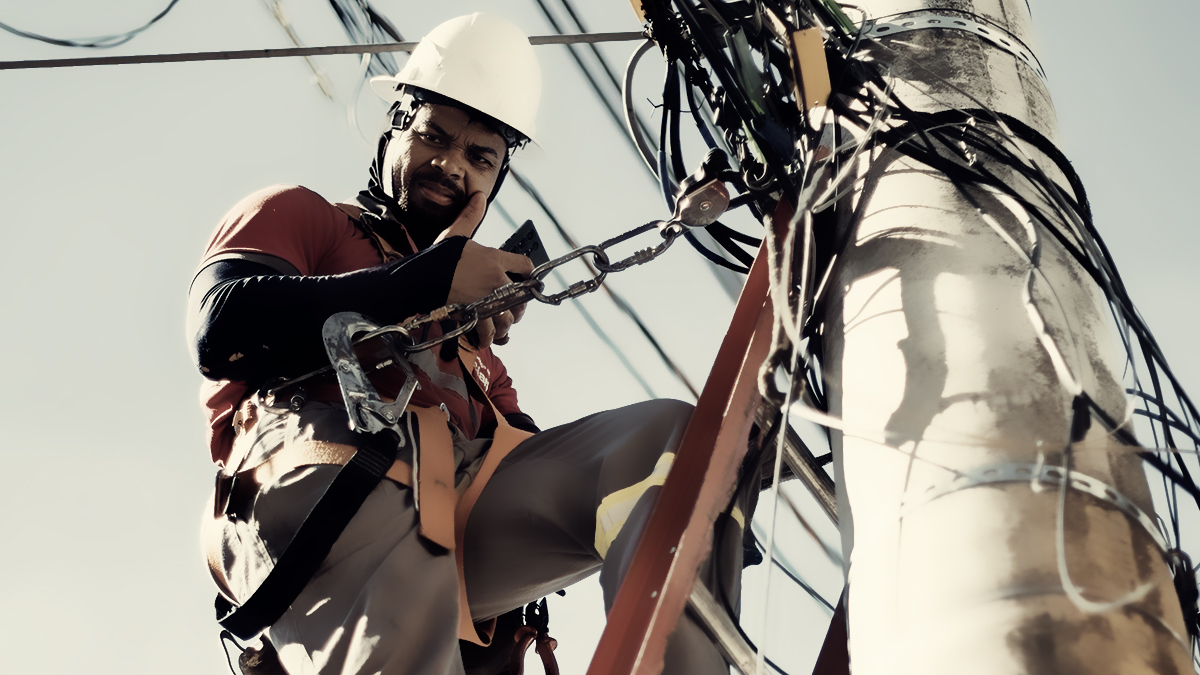
The outage followed an August 11 derecho that tore through Northwest Indiana with wind gusts approaching hurricane strength, knocking down trees, utility poles, and transmission towers. More than 38,000 homes and businesses lost power, leaving residents to endure extreme heat, spoiled food, dark streets, disrupted schools, and dangerous conditions for those dependent on electricity and medical equipment.
The storm explains how Gary lost power. It does not answer every question about why the city remained without it for nearly two weeks, particularly as surrounding communities received assistance and had their service restored sooner.
Those questions have increasingly centered on Northern Indiana Public Service Company (NIPSCO), the utility responsible for serving the area. NIPSCO had been authorized to spend nearly $77 million on vegetation management between 2023 and 2025 and more than $2 billion on infrastructure upgrades and reliability since 2016. Residents have now filed a class-action lawsuit alleging failures in maintenance, while Indiana officials have launched an active investigation into NIPSCO’s preparedness, restoration response, use of customer-funded investments, and the circumstances surrounding Gary’s prolonged outage.
Severe weather is not a new threat. Neither are trees, saturated ground, or overhead power lines. But NIPSCO’s growing pursuit of large-scale energy demand has added another layer of scrutiny. Blackstone acquired a 19.9% stake in NIPSCO for $2.16 billion, and NIPSCO has since developed GenCo, a separate entity designed to build and manage generation for the growing data-center industry. Critics argue that the push to capture data-center growth raises questions about whether executive attention and engineering resources are being diverted from basic grid reliability in residential communities.
As the outage continued, so did public pressure. Mayor Eddie Melton condemned the prolonged restoration while residents demanded answers and assistance. Influencer Keith Lee eventually brought national attention to Gary and organized a relief effort providing food, emergency supplies, and community support.
Lee deserves credit for showing up. But his involvement raises a harder question: Why did it take someone with millions of followers to amplify a crisis Gary residents and officials had already been describing for days?
Gary’s crisis carries echoes of Flint and Hurricane Katrina. Their circumstances differ, but each raises an uncomfortable question about whose suffering is allowed to drag on while institutions debate costs, timelines, and responsibility.
When predominantly Black communities repeatedly face infrastructure failures, delayed responses, and prolonged recovery, at what point does the pattern demand a closer look at inequality?
A community should not need an influencer to validate suffering its own residents have already reported. A disaster should not have to become a national spectacle before meaningful pressure arrives.
The lights are back on in Gary. But restoration is not accountability. The investigation and lawsuit may determine what happened. What remains is a question the people of Gary deserve answered: Why did it take so long?
Na’ilah Burston