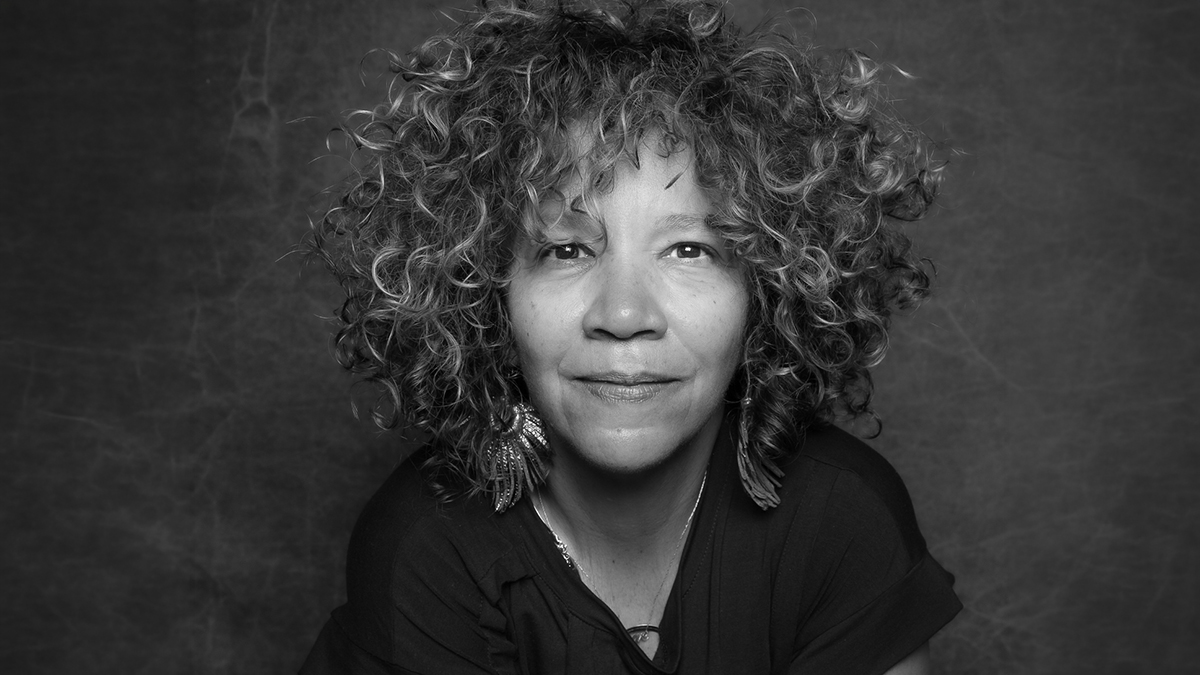
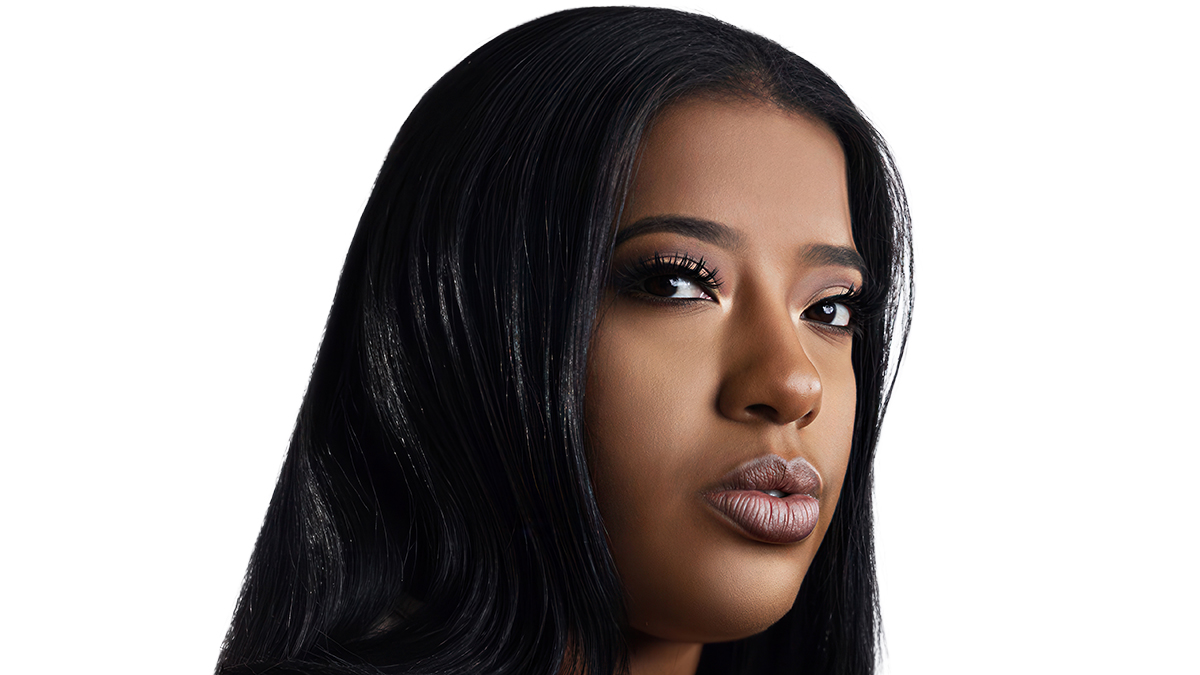
Regan Farley is a highly regarded strategic communications expert with over 14 years of experience in the field. As the co-founder of Kredo Group, she plays a pivotal role in a firm that is passionately committed to assisting brands in establishing and nurturing trust with their audiences. Her innovative approach to publicity is deeply rooted in authentic storytelling and strategic thinking. She believes that every brand has a unique narrative that, when effectively communicated, can resonate with people on a personal level.
Regan leads clients through the complexity of modern communication by highlighting genuine relationships and engagement, ensuring their messages are felt and heard.
Regan, you’ve spent more than 14 years in strategic communications. What first drew you to PR, and what has kept you passionate about the work?
I always knew I wanted to be behind the scenes, pulling the strings. Ever since high school, I gravitated toward storytelling. I was in a multimedia program where I learned design tools like Adobe Illustrator, but I realized I didn’t want to focus strictly on communications—I wanted to tell stories. It was strictly communications. I knew I did not want to do that, and I knew I wanted to go the storytelling route.
When I got to Lincoln University—the first HBCU, heavy on the “first”—I joined the Student Government Association in external affairs. That role exposed me to everything from contract negotiation to publicity. I got to do anything from contract negotiation to just a wide variety of different things. That’s where I learned what public relations was, and from there, it was off to the races.
You co‑founded Kredo Group with Deja Cromartie. What inspired the two of you to launch the firm?
Deja and I used to hire each other for small independent projects. We were two young Black women moving and shaking in New York City, and we kept finding ourselves collaborating. We would just hire each other for independent projects, and that kind of, in turn, led us to work together.
Eventually, we realized we were doing great work together, so in 2021 or 2022—don’t quote me—we decided to merge our efforts. Since then, we’ve worked with clients ranging from the Trap Music Museum to Harvard University. We have done so much great work between now and then. “I’m blessed to now work with one of my best friends.
Kredo Group has partnered with organizations like the NAACP, Harvard, and the Greater Baltimore Urban League. What do successful partnerships with mission‑driven organizations have in common?
Relationships. When I worked internally at the NAACP, many opportunities came from relationships I built over time. Some of those contracts just came from building relationships. I learned early—through family—that relationships matter.
Across all these organizations, the common thread is community. Impact matters. Community matters. That importance is an importance unlike any other.
Your brand philosophy is Reputation is power; influence is strategy. What does that mean in practice for leaders navigating today’s media landscape?
Your reputation is everything. It travels with you, and it speaks for you before you enter a room. That’s what builds influence. Someone may not have met you but may know you from social media—they already have a perception. Reputation creates influence that carries you forward.
You often say effective PR is about building credibility rather than chasing headlines. How can organizations shift from short‑term publicity to long‑term trust?
By creating a 360‑degree approach. Not just one article placement, but long‑term narratives and visibility. How are you showing up in the community? Digitally? When the cameras aren’t on?
What speaks for you before you even say something? That’s where trust is built.
Your work spans education, health equity, community development, philanthropy, and culture. How do you tailor communication strategies while staying true to each client’s mission?
When Deja and I started, we called ourselves “pretty damn good PR” because we were scrappy. Now we say we’re “making corporate culture cool.”
Our brand evolved, but our approach stayed rooted in one thing: staying true to each organization’s mission. The message doesn’t change—the audience does. They just have to change who they’re talking to. Organizations don’t have to change who they are; they just have to adjust who they’re speaking to.
You’ve helped executives, entrepreneurs, and changemakers elevate their public profiles. What are the biggest mistakes leaders make when building personal brands?
Not listening to their core audience and trying to fit into a one‑size‑fits‑all bubble. Your message doesn’t have to be for every single person; it just has to be for the right person.
Authentic storytelling is a popular phrase in communications. What separates genuine storytelling from messaging that feels manufactured?
Genuine storytelling connects across generations. It transcends time, age, and community. It reaches the masses, right? But then it also reaches a wide variety of different generations.
A good storyteller makes you feel like you were in the room—even if you weren’t. Good storytellers can capture a message and make you feel like you were in the room regardless.
From your roots in Baltimore to building a nationally recognized firm in Atlanta, how have your experiences shaped your leadership style?
My upbringing in Baltimore taught me I could do anything. It gave me the confidence to live in LA, move to New York, and eventually settle in Atlanta. In Baltimore, we have a certain kind of charm. We believe that we can do anything and everything. That foundation made me people‑focused and well‑rounded. It helps me speak to all types of audiences and understand culture—because culture is wherever people like you and me are. It is what corporate culture wants to be.
Looking ahead, what trends will define the future of public relations and brand strategy? What advice would you give the next generation of communication professionals?
AI is definitely at the top of the list. But the next generation has to learn how to use it without letting it control them. They do still need to learn the industry and how to shape AI, but not to abuse it. Social media isn’t going anywhere. And PR professionals are becoming the new influencers—we already are, because we control visibility and storytelling. I think PR professionals are going to be the new influencers, which we already are.
Be’n Original