Comedy has always had a way of making uncomfortable conversations a little easier to digest.
For decades, comedians have used their platforms to poke fun at politicians, challenge social norms, expose hypocrisy, and make light of the very things people are often afraid to discuss.
Whether the subject was race, religion, sexuality, war, or the state of American politics, a good punchline could get people talking about issues they might otherwise ignore.
As time progressed and the political climate changed, so did the relationship between comedians and their audiences.
Jokes that once encouraged people to laugh, reflect, and perhaps even reconsider their perspectives are increasingly met with public outrage, demands for apologies, and questions about whether certain subjects should be off limits.
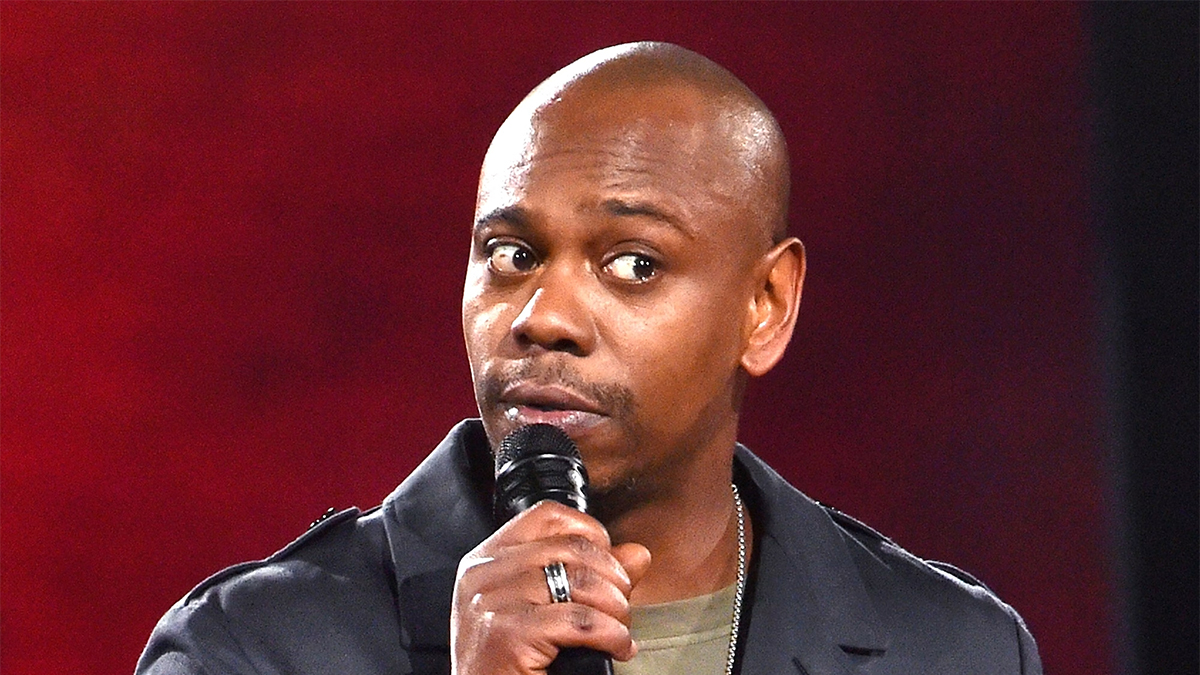
Dave Chappelle is the latest comedian to find himself in the middle of that conversation.
During a November 7 performance at Madison Square Garden, Chappelle joked that he had felt better since conservative political activist Charlie Kirk was shot and killed in September 2025.
According to accounts of the fuller routine, Chappelle began by saying, “It’s scary being a public speaker,” before making the remark and later describing how he had been driving around wondering why he was in such a good mood.
However, the available footage and reporting do not establish what specifically prompted that feeling or how the joke was developed within the complete performance.
Was he referring to Kirk’s political views, the impact of his rhetoric, or something else entirely? We do not know.
Yet social media has a way of turning brief, context-free clips into definitive accounts of what someone meant, with audiences often joining the reaction before the full circumstances are understood.
There is also context worth considering.
In his 2025 Netflix special, The Unstoppable, Chappelle said Kirk’s killing had shaken him while criticizing comparisons between Kirk and Martin Luther King Jr.
He argued that their shared experience of being murdered by gunfire did not make their lives or public contributions comparable.
That earlier commentary complicates the idea that Chappelle’s latest joke should be read as a straightforward celebration of Kirk’s death.
Kirk was a prominent MAGA supporter whose public commentary included questioning the passage of the Civil Rights Act of 1964, disparaging Martin Luther King Jr., and making sweeping remarks about Black Americans.
The kicker is that Chappelle’s Charlie Kirk joke is actually a sarcastic parody of a controversial joke comedian Tony Hinchcliffe made about George Floyd during the recent Kevin Hart roast on Netflix in May of this year: “Right now, George Floyd is looking up at us all, laughing so hard that he can’t breathe.”
For right-wing conservative voices who defended Hinchcliffe’s joke as free speech but took offense to Chappelle’s reinterpretation, it is par for the course.
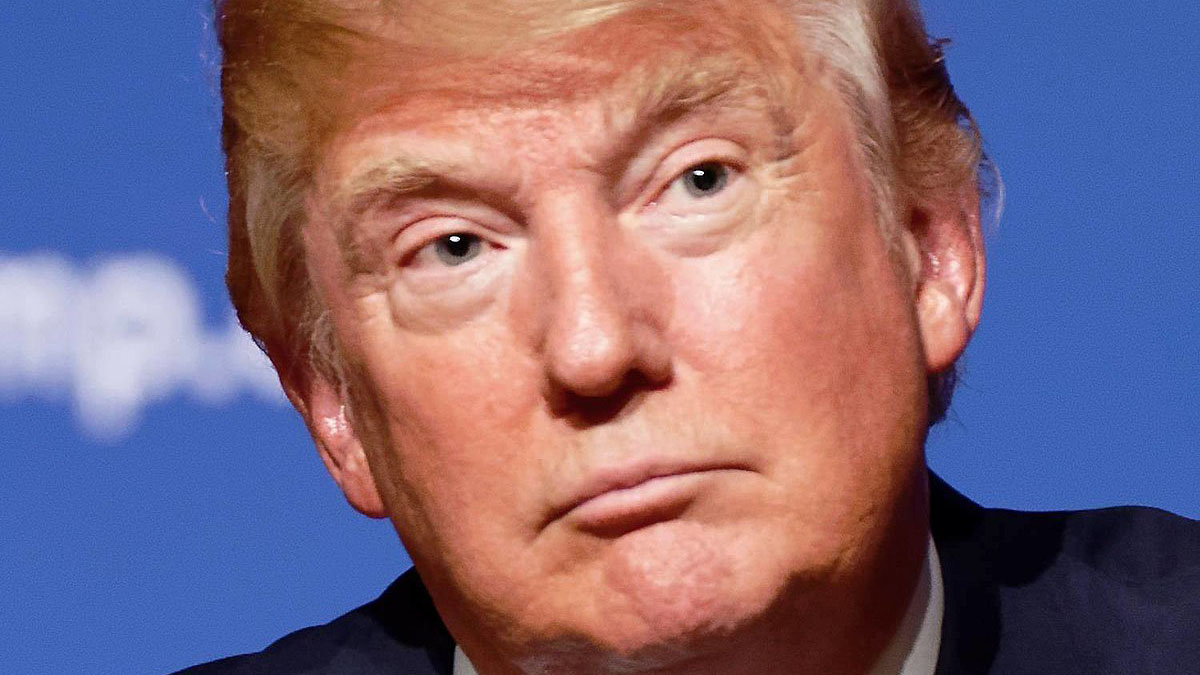
Donald Trump, meanwhile, has spent years using his public platform to ridicule people and communities, including a widely documented 2015 incident in which he imitated the physical movements of New York Times reporter Serge Kovaleski, who has a congenital joint condition.
Trump denied mocking the reporter’s disability, but the incident was documented on video and later examined by fact-checkers.
The distinction between discussing someone’s death, criticizing their public record, and celebrating political violence deserves to be maintained.
Why, then, does the public’s tolerance for ridicule appear to shift depending on who is delivering it and whose legacy is being discussed?
Chappelle’s comedic history makes the current controversy an especially interesting case study.
His willingness to turn uncomfortable situations into comedy is hardly new.
On Chappelle’s Show, his infamous R. Kelly parody, “P**s on You,” made a spectacle of the allegations surrounding the singer’s sexual abuse and exploitation of underage girls.
The sketch used absurdity to expose the disturbing nature of the situation, demonstrating how comedy can make an audience confront something deeply uncomfortable.
That tradition has deep roots in Black comedy.
Dick Gregory, for example, used political satire to challenge racial stereotypes, segregation, and social inequality during the Civil Rights Movement.
He also participated in voter registration efforts, demonstrations, and civil rights rallies alongside prominent activists of the era.
Richard Pryor similarly brought conversations about race, inequality, and the contradictions of American life into mainstream comedy, refusing to separate entertainment from the realities Black Americans experienced.
More recently, Katt Williams has used his comedy and interviews to criticize political leadership, celebrity culture, and powerful figures in the entertainment industry.
The culture surrounding comedy has become increasingly difficult to navigate, with audiences more willing to challenge jokes, question intentions, and take offense to material they find distasteful.
Social media has amplified that shift, allowing individual punchlines to circulate independently of the performances they came from.
Comedians have responded in different ways.
Some have adjusted their delivery, leaning into storytelling, observational humor, and carefully constructed commentary to make their points without losing their audiences.
Katt Williams, for instance, often packages blunt observations about entertainment, politics, and society in a way that invites audiences to laugh while considering what he is saying.
Others, like Chappelle, have continued to embrace provocative material, seemingly accepting that discomfort and criticism come with the territory.
Yet the same sensitivity often seems absent when political leaders engage in public ridicule.
Trump has repeatedly made disparaging remarks about marginalized communities, and many of his supporters have treated his comments as humor, entertainment, or evidence of his willingness to speak without a filter.
Comedians, meanwhile, are expected to anticipate every possible interpretation of their material before delivering a punchline.
The contrast illuminates an imbalance regarding the standards applied to people who entertain the public and those entrusted with governing it.
If politicians can make a spectacle of other people’s circumstances while holding positions of power, why should comedians be expected to approach uncomfortable subjects with greater restraint?
Comedy does not have to be comfortable to be meaningful, and audiences do not have to agree with every joke to appreciate the conversation it creates.
Black comedians have long found ways to make audiences laugh while confronting the realities of race, politics, and American life.
Their work has challenged authority, exposed hypocrisy, and given people an opportunity to examine difficult subjects through humor.
As public discourse becomes increasingly divided, perhaps audiences could benefit from remembering that a joke can invite criticism without automatically warranting condemnation.
Chappelle’s latest controversy is another reminder that the public’s response to comedy often says as much about the audience as it does about the person holding the microphone.
Na’ilah Burston