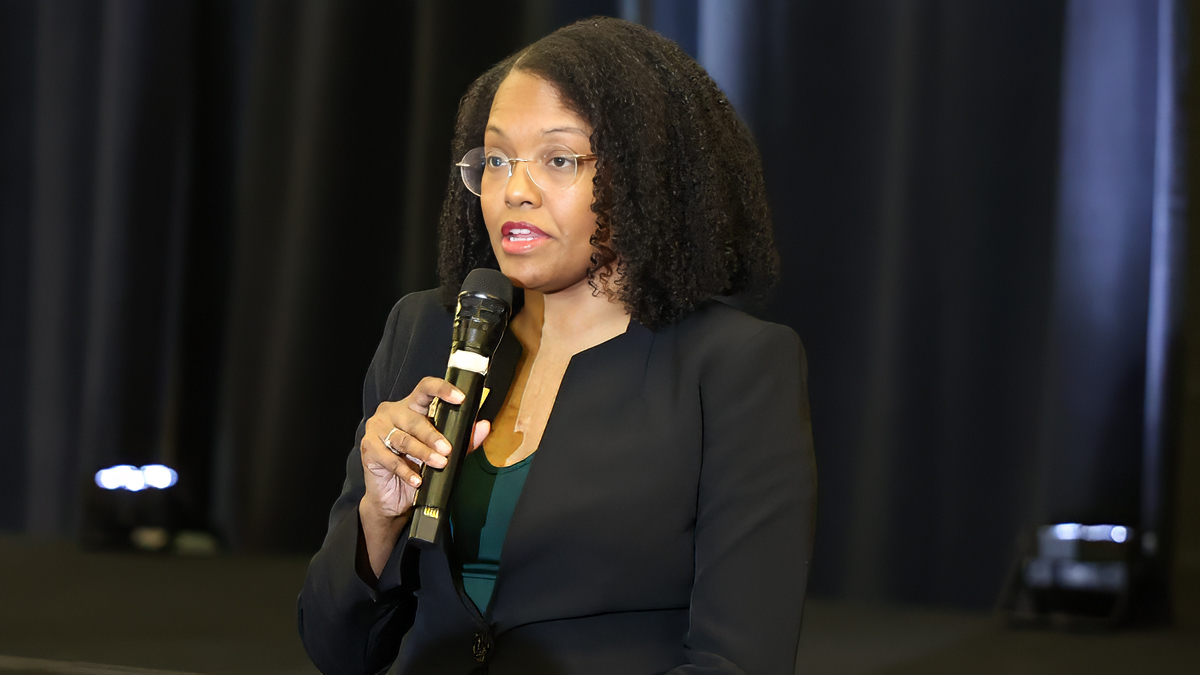
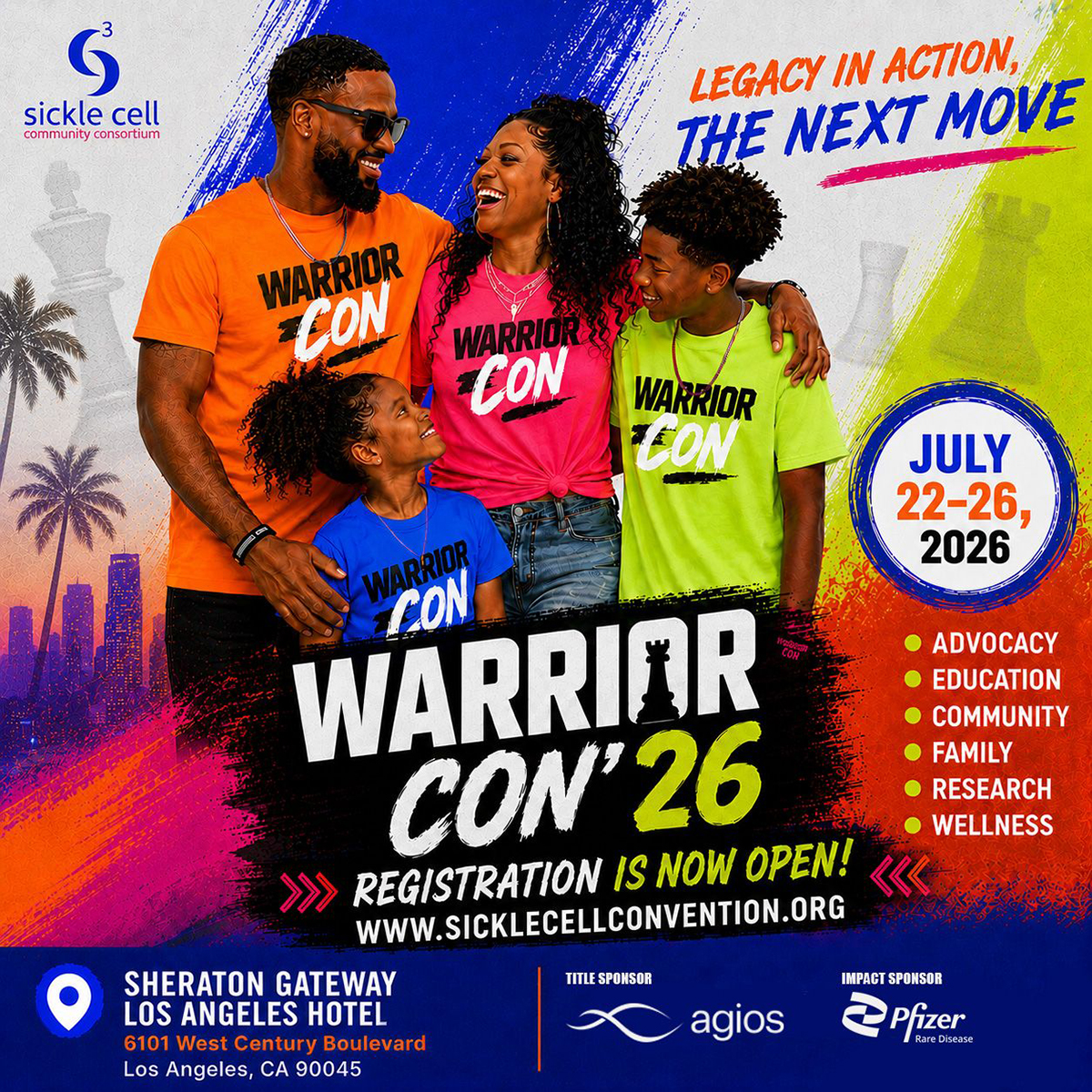
In the movement for health equity, few voices are as powerful as those who have lived the journey firsthand. Sharonda Sikes, V.P. of Operations for the Sickle Cell Community Consortium, understands this better than anyone. As the organization prepares for Warrior Con ’26, July 22–26, 2026, at the Sheraton Gateway Los Angeles Hotel, the focus is clear: moving beyond passive advocacy to a future defined by patient empowerment, mental wellness, and life-changing education.
In this conversation, Sikes discusses why the community’s “next move” is not just about medical treatment—it is about demanding to be heard, fostering trust in healthcare, and ensuring that no warrior or caregiver has to face their challenges alone.
This year’s theme is “Legacy in Action: The Next Move.” What does that theme mean to you in the sickle cell community?
That has many layers, but it means that there has been so much movement in the sickle cell space. As warriors, caregivers, and leaders, it is time for our “next move.” We have often allowed others to make moves on our behalf, but the Sickle Cell Consortium is built on the philosophy of “nothing for us without us.” Our goal at this convention is to teach, train, and educate people that it is time for their voices to be heard.
Warrior Con is now in its 13th year. How has the event changed since it began?
First, the numbers have grown significantly. We have gained so many warriors and caregivers over the years; last year, we had over 600 join us in Florida. Beyond the growth, the biggest change is the depth of information and resources now available. It has evolved from a place to socialize into a true “family reunion.” Seeing the leadership develop and witnessing the younger generation—seeing their lightbulbs go off when they learn something new—is the most rewarding part for me. It is a space where they can meet friends, get educated, and have fun simultaneously.
Why is it so important to bring together patients, caregivers, doctors, researchers, and advocates in one place?
Because there are few spaces where we can all be together. While many organizations have events, ours is specifically tailored for caregivers and warriors. Because we are a national organization, we collaborate with many partners, allowing us to put everyone in the same room to share perspectives. When a warrior goes to the ER, doctors often only see one aspect of their life. Here, they see the whole person and their family. Conversely, it allows warriors and caregivers to tell researchers exactly what they need. It builds community and, crucially, fosters trust between the healthcare and sickle cell communities.
This year’s convention features specific sessions for caregivers, youth, men, and those with the sickle cell trait. Why was it important to offer these targeted programs?
We are a multifaceted community. When someone has sickle cell, the entire family is affected. Caregivers need to learn how to educate themselves to better support their warriors. We also created specific spaces for men because, while many advocacy spaces are predominantly female, men told us they needed a place to discuss their unique experiences.
Similarly, for our youth and the “SC3” next generation, we want to train them to advocate effectively. They know more than we give them credit for. It is also vital for young adults to learn how to navigate the transition from pediatric care—where they receive immense support—to adult care, which is a different ballgame. Providing these spaces empowers every group with the specific knowledge they need.
With advances in sickle cell treatment, how will Warrior Con help people understand their options?
We host a session called “Industry Updates,” where we invite pharmaceutical partners to share information on treatments in the pipeline. Furthermore, sponsors like Pfizer and IGOs hold sessions geared toward specific therapies. We also have the “T3 Expo,” which focuses on Treatment, Therapies, and Technologies. It is a dual education process: we learn from them, and they are educated by the lived experiences of our community.
Why are mental health and overall wellness as important as medical care?
Because mental health is a vital part of “whole body” health. In Black and Brown communities, which are disproportionately affected by sickle cell, mental health has historically been a taboo subject. We want to normalize these conversations. Stress can trigger a sickle cell crisis, so providing tools to manage mental well-being is not just beneficial—it is essential to sustaining a warrior’s life. We started this focus during COVID-19 and have carried it into our in-person events through a dedicated mental health initiative.
SC3 provides support for hotel and travel costs. How does this make a difference for attendees?
We recognize there are significant financial barriers to attending. Our goal is not profit; it is to ensure our patients and families can arrive, relax, and focus on the information provided. Especially in an economy where travel and lodging are expensive, we want to mitigate that burden. We even provide an on-site nursery with certified, experienced aides so parents can attend sessions knowing their children are cared for. We strive to remove as many barriers as possible so families can focus on their health and education.
What are the biggest challenges people with sickle cell disease still face today?
The biggest challenge is the lack of validation regarding pain. Patients are often not believed when they seek care in the hospital, and the myth that warriors are “drug seekers” persists despite medical evidence of their crisis. Additionally, the community remains significantly underfunded. We still need more research to ensure that the cures currently being developed are universal and accessible to everyone.
What do you hope attendees experience at Warrior Con ’26?
Sharonda Sikes: I hope they find exactly what they are looking for, whether that is community, education, or a way to advocate more effectively. I want them to feel safe and seen. While we do discuss statistics, my goal is for them to leave feeling hopeful and empowered to keep fighting. I want to light a fire under them, letting them know that they do not need to be a professional speaker to be a powerful advocate for themselves or their loved ones.
Registration for Warrior Con ’26, July 22–26, 2026, at the Sheraton Gateway Los Angeles Hotel is currently open at www.sicklecellconvention.org.
Be’n Original