Independent filmmaking has given Black creatives an opportunity to tell stories that may otherwise struggle to find a place in mainstream entertainment. Without the backing of major studios, filmmakers can explore their own creative interests, introduce unfamiliar perspectives, and bring stories rooted in their communities to the screen.
The accessibility of streaming platforms has also created new opportunities for independent productions to reach audiences beyond their immediate surroundings. Yet, as more Black filmmakers gain access to these opportunities, the stories they choose to tell become just as important as their ability to deliver them.
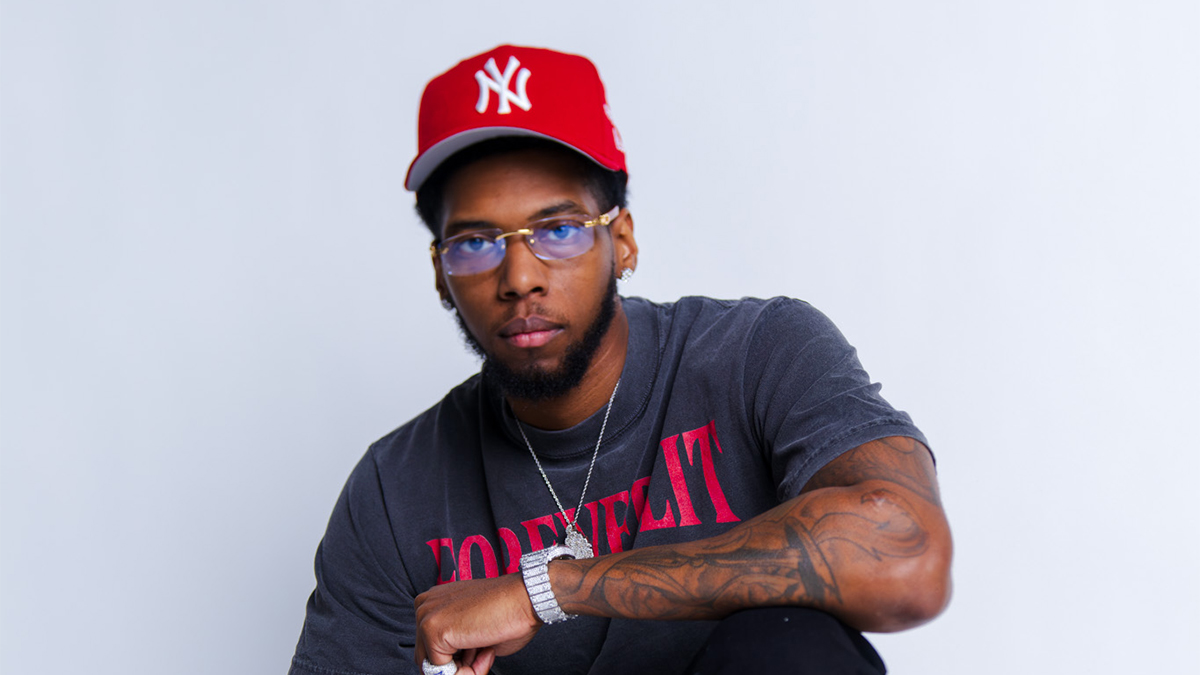
Preston Dent, a Harrisburg native, brought his independent crime drama Harrisburg to audiences in 2026, premiering the film at the Whitaker Center for the Arts on May 23 before securing distribution on Tubi.
The 2-hour-and-18-minute production follows Aron Carter, a former promising football player attempting to distance himself from a dangerous street lifestyle. Classified as a crime and drama film, the production features Dent alongside actors Derrick Hitchcock, Charlie Mack, and others.
Although the film’s arrival on Tubi marks an accomplishment for its creator, audience reactions have been mixed. Its storyline and overall execution have also drawn criticism, including from viewers who anticipated a stronger representation of the city at the center of its title.
For those familiar with Harrisburg, Pennsylvania, the film’s portrayal may be particularly disappointing given the city’s existing struggle for positive recognition. Viewers unfamiliar with the area could easily form an impression of the capital city based on the violence and street activity presented throughout the production, particularly when little else is offered to establish a broader sense of its identity.
The film’s storyline and execution may also leave audiences wanting more, as compelling subject matter requires thoughtful development, consistency, and characters viewers can connect with.
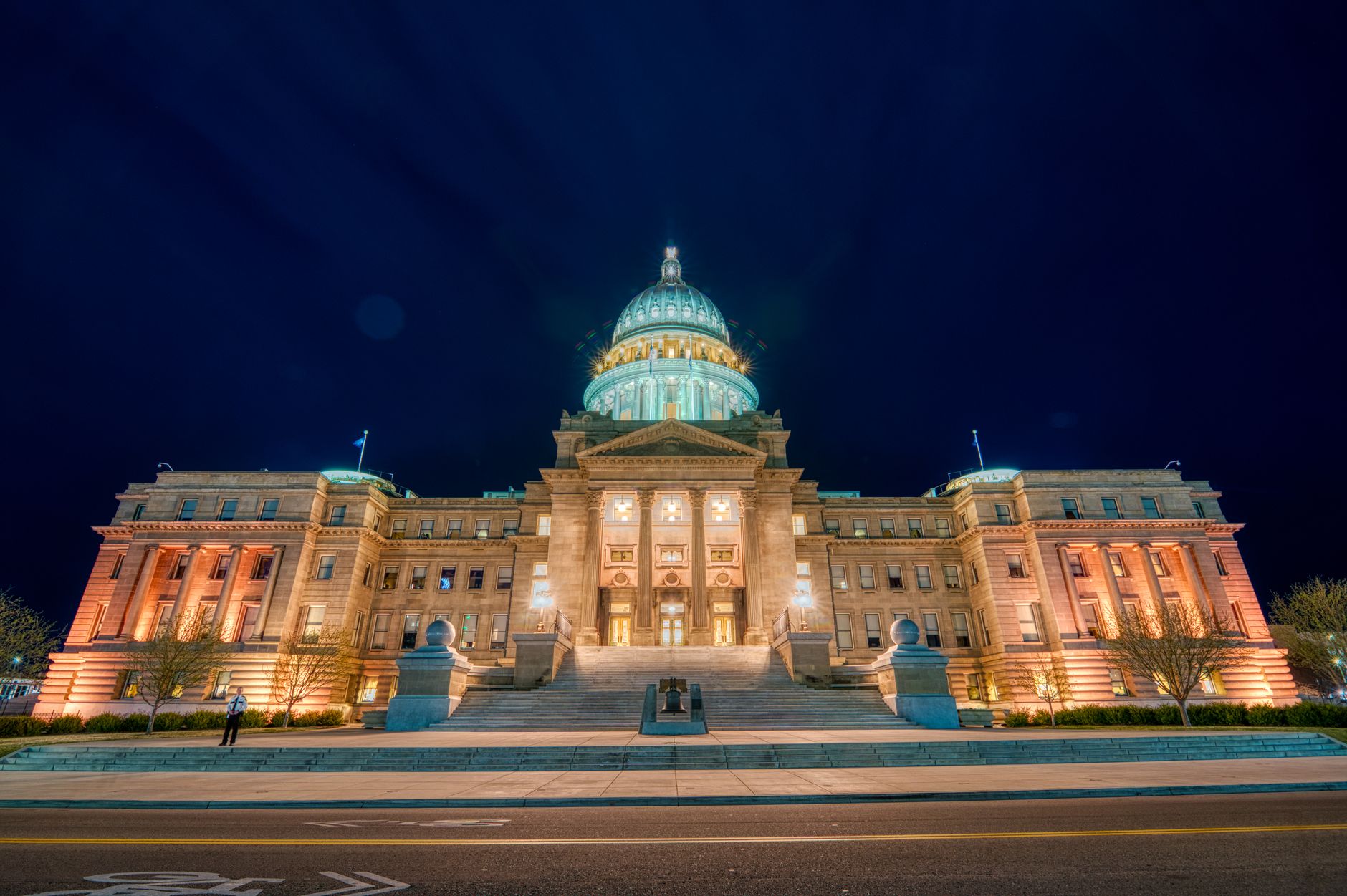
Harrisburg has a great deal to offer beyond the circumstances depicted in the film, including its historic State Capitol, scenic Susquehanna Riverfront, City Island, local markets, museums, and growing arts community.
From its architectural landmarks to its independent businesses and cultural events, the city has experiences that could appeal to visitors with interests ranging from history and recreation to food and the arts. For a community that is frequently overlooked or mistaken for one of Pennsylvania’s larger cities, these are meaningful parts of its identity that deserve greater visibility.
The film also brings attention to a broader concern within Black entertainment, where stories about Black communities often draw from a narrow range of experiences.
At some point, the repetition of dark narratives deserves a closer look. How many times can audiences be introduced to stories centered on gang affiliations, drug activity, retaliation, and young Black men losing their lives before the creative landscape begins to feel predictable?
Productions such as Belly, Juice, Power, BMF, and Raising Kanan have already explored many of these environments, examining the relationships, conflicts, and circumstances that shape life within underground communities.
While these productions have made their own contributions to Black entertainment, the continued reliance on similar themes leaves considerably less room for other dimensions of Black life. Even as audiences express fatigue with repetitive storylines and an overabundance of Black trauma, similar narratives continue to find their way onto screens.
If viewers are asking for something different, why does Black pain remain such an easily reproduced and consumed subject?
Black filmmakers have every right to explore difficult realities, but there are countless other stories deserving of the same creative attention. Black romance, psychological thrillers, science fiction, coming-of-age stories, family dramas, and narratives surrounding entrepreneurship, artistic expression, friendship, and personal growth all offer opportunities to explore experiences that depict more than a struggle.
There are stories about people overcoming difficult upbringings, returning to their communities, building successful lives, and creating opportunities for the next generation.
Independent filmmaking, in particular, offers an opportunity to take creative risks and introduce audiences to perspectives that may not receive the same attention through conventional studio productions. Black storytelling has explored these familiar circumstances extensively, and audiences deserve the opportunity to experience something different.
That creative expansion can begin with a willingness to see familiar communities through a different lens. Filmmakers should never feel obligated to present idealized versions of their hometowns or avoid difficult subject matter to make their communities more appealing to outside audiences.
However, when an opportunity arises to introduce a place to people who may know very little about it, there is value in considering the full picture.
A Harrisburg native could tell the story of someone who overcame an unfavorable upbringing, built a successful life, and returned home to invest in the community that helped shape them. Another could explore the city’s artistic culture, its history, or the relationships that give its neighborhoods character.
These are creative possibilities worth pursuing, particularly for a city that already struggles to receive recognition beyond its reputation.
Seeing a local filmmaker secure distribution on a recognizable platform is an accomplishment worth celebrating, and hopefully, it encourages other creatives from the area to share their own perspectives.
Cities like Harrisburg have plenty of stories waiting to be told, and the same can be said for countless Black communities whose identities are more than the circumstances frequently portrayed on screen. Independent filmmakers have an opportunity to expand that representation, challenge familiar expectations, and give audiences new experiences to connect with.
All it takes is being willing to tell a different story.
Na’ilah Burston