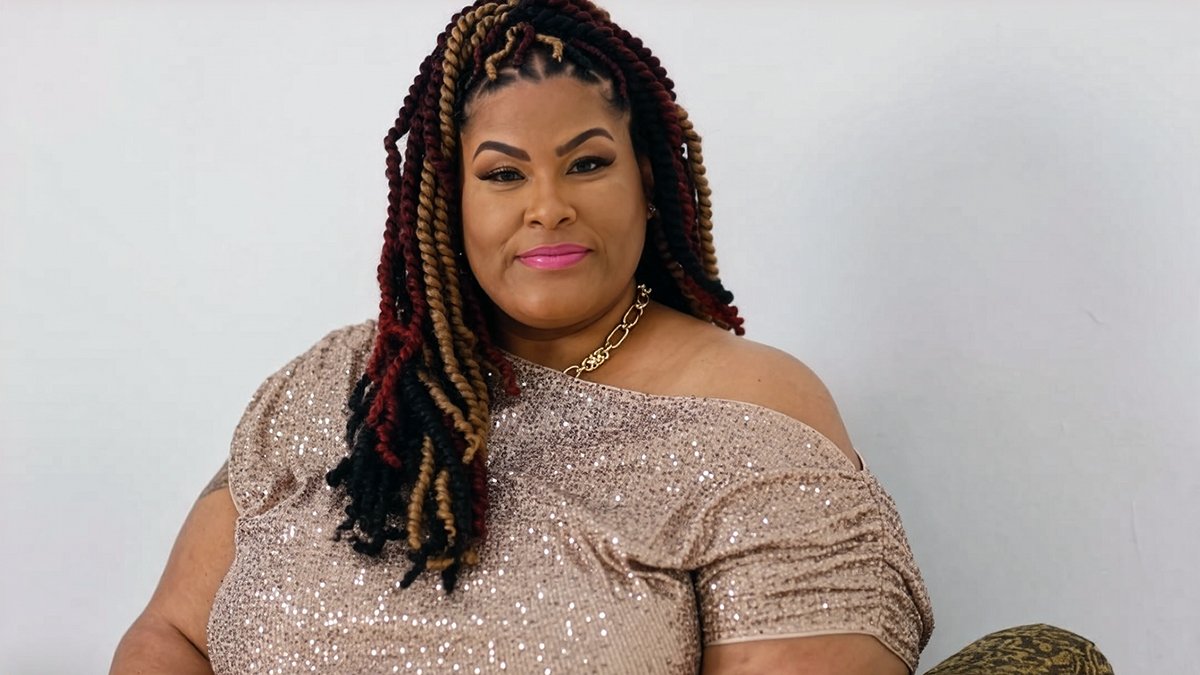
For years, Fallon MK believed the version of her family story she had been told. But in 2024, painful discoveries forced her to confront hidden truths about manipulation, trauma, and broken relationships. What followed was a life-changing journey toward healing and self-discovery.
In her forthcoming book, Awakening to Truth: Unraveling a Lifetime of Lies, Fallon speaks openly about family estrangement, emotional abuse, divorce, and rebuilding her identity after years of silence and survival. In this interview, Fallon discusses uncovering family secrets, breaking generational cycles, and why telling the truth can be the first step toward healing.
Your planned book, Awakening to Truth: Unraveling a Lifetime of Lies, centers on uncovering family secrets. What was the moment you realized the narrative you had believed about your family was incomplete?
The moment everything changed for me happened in 2024 when I uncovered hidden truths about my mother’s past and began piecing together inconsistencies I had ignored for years. It felt like my entire reality cracked open overnight. I realized the version of my childhood I had defended for so long was built on omissions, manipulation, and carefully curated narratives. That discovery forced me to confront the painful reality that the story I had been living wasn’t entirely my own—it was a story shaped for me. That awakening was devastating, but it also became the beginning of my healing.
You have spoken about recognizing your mother’s role in emotional manipulation after years of blaming your father for family dysfunction. How did that realization reshape your understanding of trauma and accountability?
For most of my life, I carried anger toward my father because I genuinely believed he had abandoned me. But when I learned the extent of the manipulation and interference that shaped our relationship, I had to confront the fact that trauma can distort perception. That realization completely transformed how I view accountability. I learned that people can weaponize pain, religion, guilt, or control to influence how children view others. Understanding that truth didn’t erase the hurt, but it helped me stop misplacing blame and start seeing family dysfunction through a more honest lens. It taught me that healing requires truth, even when the truth is uncomfortable.
Many people struggle to identify emotional manipulation within their own families. What are some warning signs you believe are often overlooked?
One of the biggest warning signs is when love consistently feels conditional. Manipulation often hides behind phrases like “I’m only doing this because I care about you,” while controlling behavior, guilt, fear, or emotional pressure is being used underneath. Another overlooked sign is isolation—when family members intentionally damage your perception of others to maintain emotional control over you. Gaslighting is also incredibly common. Many people grow up questioning their own feelings because they’ve been taught that speaking up is disrespectful or disloyal. When someone constantly makes you doubt your reality, your emotions, or your memories, that’s not love—that’s emotional control.
In 2024, you ended a 13-year marriage and stepped away from roles that no longer aligned with your identity. What did rebuilding your sense of self look like in the early stages of that transition?
Rebuilding myself was both painful and liberating. In the beginning, it looked like silence, reflection, therapy, and learning how to sit with myself honestly for the first time in years. I had spent so much of my life surviving, performing roles, and carrying emotional burdens that I lost connection with who I truly was underneath all of it. Leaving my marriage forced me to confront my fears, my trauma, and my patterns. I had to relearn what peace felt like. I had to rediscover my voice. And most importantly, I had to stop abandoning myself in order to keep other people comfortable.
You describe truth-telling as a key part of healing. Why do you think confronting painful truths can feel so threatening, even when it may lead to recovery?
Because painful truths often require the death of familiar illusions. People become emotionally attached to the stories they’ve used to survive. Confronting the truth can unravel identities, relationships, and entire belief systems. It forces people to grieve not only what happened to them, but also what should have happened and never did. That process can feel terrifying because healing demands accountability, change, and emotional honesty. But I believe avoidance prolongs suffering. Truth hurts initially, but deception destroys slowly over time.
Your advocacy focuses on breaking generational cycles. What practical steps can people take when they want to stop passing trauma or unhealthy patterns on to their children?
The first step is self-awareness. You cannot heal patterns you refuse to acknowledge. Therapy, honest reflection, and emotional accountability are essential. Parents also need to normalize communication instead of silence. Too many families teach children to suppress emotions rather than process them. Breaking generational cycles also means apologizing when necessary, setting boundaries, and being willing to parent differently than the way you were. Healing starts when someone in the family becomes courageous enough to say, “This dysfunction stops with me.”
Family estrangement remains a sensitive and often stigmatized subject. What do you want people to understand about the emotional complexity behind choosing distance from family members?
Estrangement is rarely impulsive. Most people do not wake up one day wanting distance from the people they love. In many cases, estrangement happens after years of emotional pain, manipulation, boundary violations, or unresolved trauma. Choosing distance can feel heartbreaking because you’re grieving people who are still alive. But sometimes protecting your mental health requires separation from environments that continue causing harm. I want people to understand that choosing peace over dysfunction is not cruelty—it is survival.
As someone now speaking publicly about deeply personal experiences, how do you balance vulnerability with protecting your own emotional well-being?
I’ve learned that vulnerability without boundaries becomes self-destruction. I share my story with intention, not from a place of emotional chaos. Therapy helped me understand that I do not owe everyone unlimited access to my pain. Protecting my emotional well-being means being selective about what I share, when I share it, and who has access to me. Vulnerability is powerful when it creates connection and healing, but boundaries are what keep that vulnerability safe.
What reactions have surprised you most from readers, listeners, or audiences who connect with your story of betrayal, manipulation, and recovery?
What has surprised me most is how many people quietly live with similar experiences but feel ashamed to talk about them. I’ve received messages from people who said my story helped them recognize manipulation they normalized for years. Others have shared that hearing someone openly discuss trauma, family dysfunction, mental health struggles, and rebuilding gave them permission to stop pretending they were okay. The overwhelming response has reminded me how many people are silently searching for language to describe their pain.
If someone listening to your story feels trapped in harmful family dynamics but fears starting over, what would you want them to hear first?
I would want them to know that choosing yourself is not betrayal. Protecting your mental health is not selfish. And starting over does not mean you failed—it means you finally decided your peace matters too. Healing can feel lonely at first because growth often requires separation from what is familiar. But I truly believe there is life on the other side of survival. There is peace after chaos. There is healing after heartbreak. And sometimes the most powerful thing a person can do is refuse to continue living inside of cycles that are destroying them.
Be’n Original