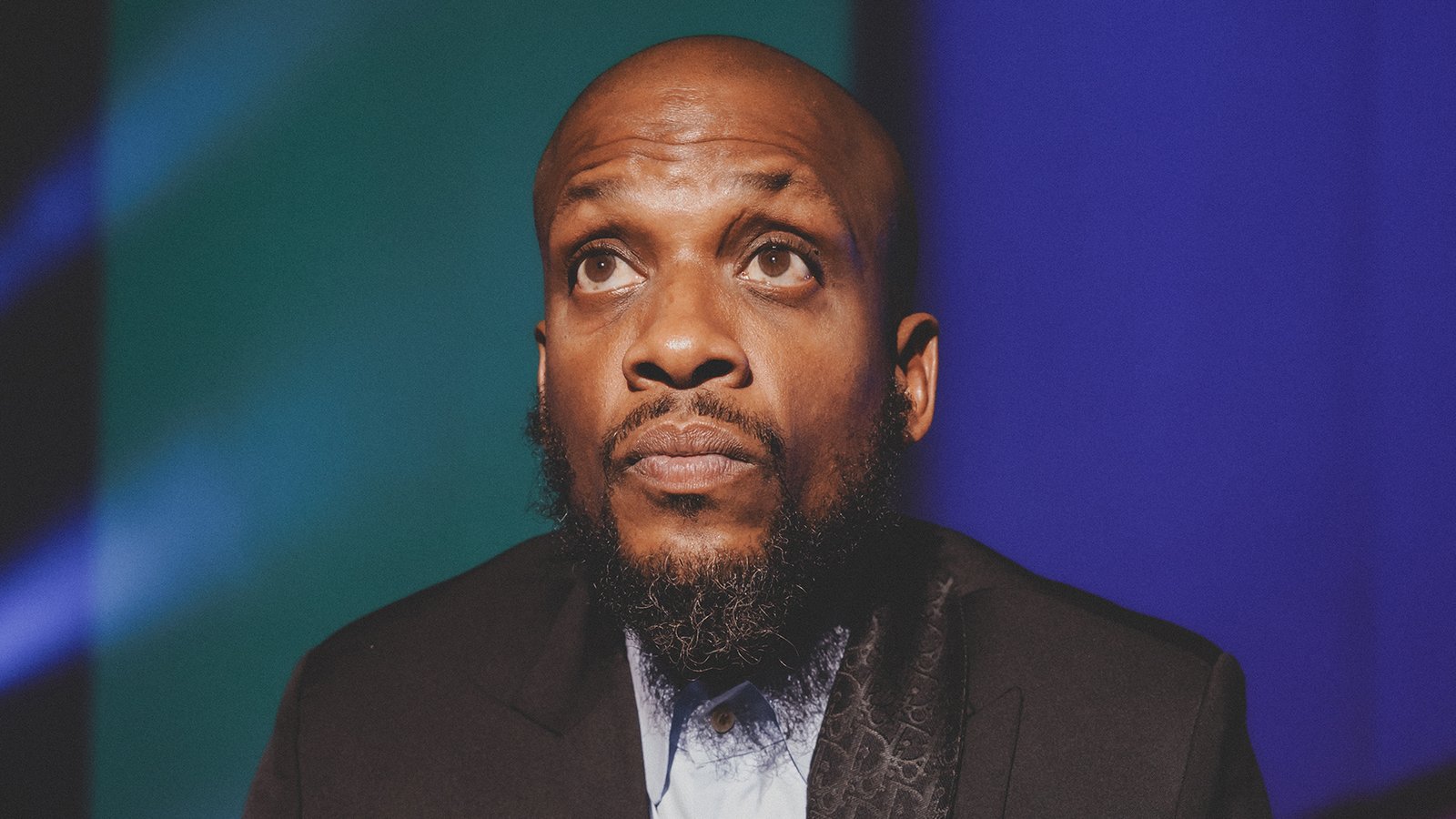
Comedian Ali Siddiq builds his work from lived experience, turning memory into structure and story into method. He does not separate vulnerability from performance, treating personal situations that might otherwise remain private as material for reflection and humor rather than exposure to manage.
Siddiq remains with his family and friends in Houston, outside major industry centers and distant from celebrity culture, grounded instead in community life. He frames his legacy in the simplest of terms: endurance, independence, and the belief that a life told truthfully can outlast and outweigh any work of fiction.
You have accomplished a great deal in comedy. What would you say has been the most valuable lesson you’ve learned?
Being true to yourself, being honest in your material. Not talking from topical places has probably been the most important.
When it comes to preparing for your performances, what is the first thing that comes to mind? What is the most crucial element?
What I’m wearing, realistically. What I’m going to have on dictates how the stories are going to go and what I feel like talking about. So it definitely starts with what I’m choosing to wear.
You’re very fashionable. On another note, when you’re sharing so much personal material, do you ever feel overly exposed or vulnerable?
I think vulnerability is the key, but never really overexposed. I’ve already navigated in my mind that people are going to have whatever type of judgment based upon the limited information they have, or their thoughts, or their lack of living life. So I’m already prepared for that part. So no, I don’t feel overexposed.
When you set out to pursue comedy professionally, how important was it for you to distinguish yourself from other comedians, especially within Black spaces?
That developed later. When I first got into stand-up, I just wanted to be funny. I didn’t even know this was a real career or a real craft. I started to learn that this is like a life fraternity that I’m in, and you start to develop yourself. I didn’t have a voice at first. The first years, you don’t really have your own individual voice. You’re just trying to be funny, and what you think is funny changes.
Your approach starts to change after about 10 years. I think I started to change a little bit earlier than that, but I didn’t have that wherewithal in the beginning.
How did your upbringing shape your comedic voice and storytelling style?
That’s how I learned everything. Everything I’ve ever learned came through a story. So that’s the cornerstone. It took me a while to get to that ability. I used to be more slapstick, more physical, with some shock value. I used to do all of that.
Then I understood that I was going to have to be true to what I can do long term, which is how I learned things—through stories, through examples of how life moves. That’s how I got to where I am now.
You often blend humor with personal history. Do your family members know ahead of time, or do they find out like everyone else?
No, they find out like everybody else. And if I’ve loaned you money and you haven’t paid me back, or I’ve taken care of you, you don’t have rights to those stories. Those stories are mine.
How did your son feel about the boxing match story in your special?
That’s from one of my older specials. I’ve had two come out since then. But they still don’t have rights to those stories. They can tell them from their account, but I lived it. So it’s really my story.
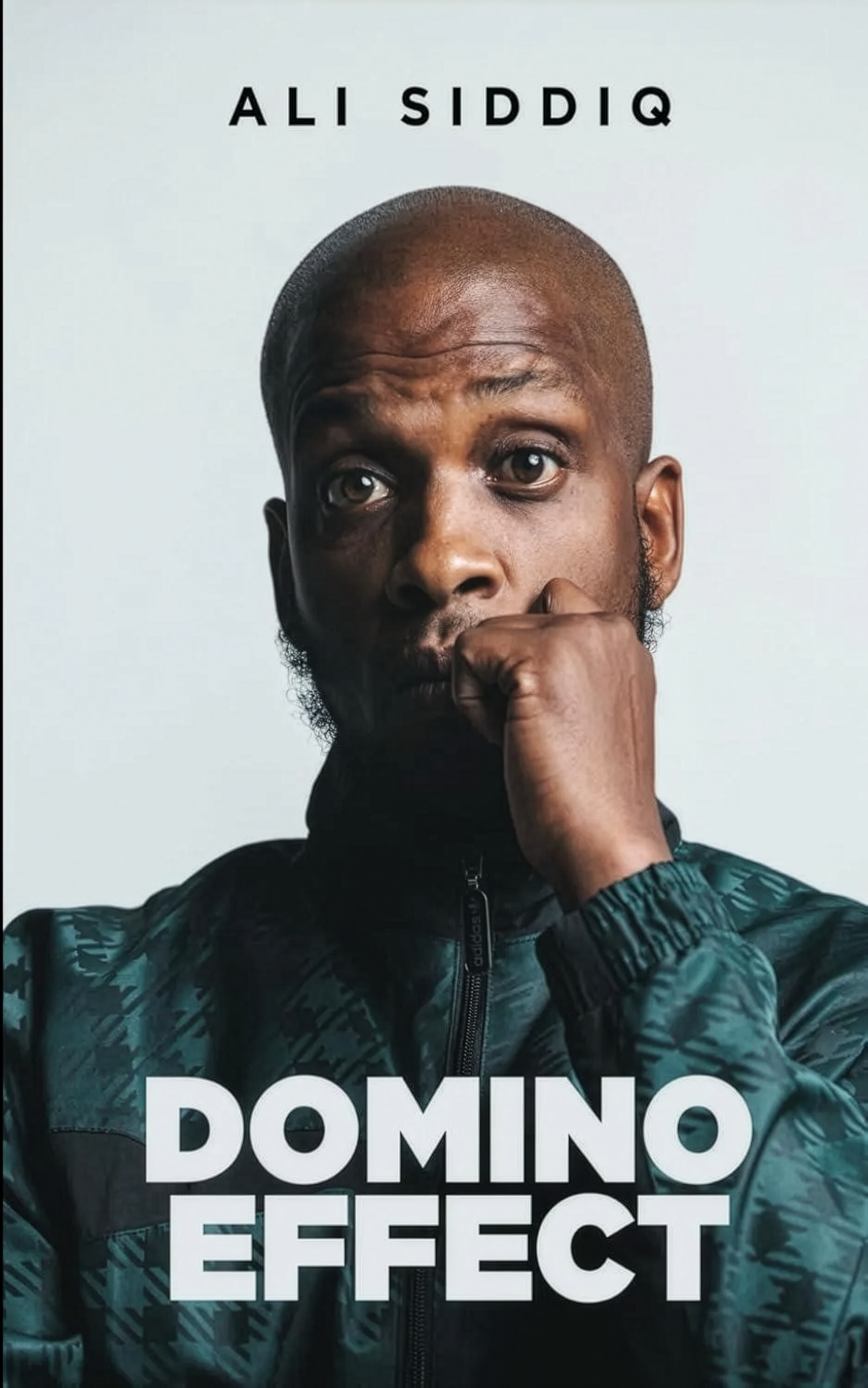
How do you balance making audiences laugh while also leaving them with something to think about?
I don’t. I just do it. I think that’s the natural form of how stories and life go. When you’re talking with your friends, you’re just laughing, and then sometimes you’re thinking. It’s not something I try to balance. Some things we’re going to think about, some things we’re going to laugh about, and sometimes we laugh about what we just thought about. It’s just a normal exchange.
What led to your decision to release your specials on YouTube instead of other platforms?
I’m on other platforms too, but how it started with YouTube was I had a special on Comedy Central. When I tried to promote it, they flagged my clip for copyright infringement.
That bothered me—that I couldn’t even promote my own special. So I decided I wasn’t going to be in that situation again. I was going to take it directly to the people. That’s how I got there.
What has been the biggest risk you’ve taken in your career, and what did it teach you?
The biggest risk is probably just being in this career. When you start comedy, you usually have another job. I didn’t leave mine until I was consistently making more money doing stand-up. But once you leave, you realize comedy has peaks and valleys. Luckily, I knew how to save. But stepping out and relying only on stand-up—that was probably the biggest risk.
Looking ahead, what stories or themes are you most eager to explore next?
I just shot four specials in two days, so I’ve got a lot of material ready. I’ve covered a lot of topics already. Now it’s about taking time to figure out what that next thing is. I’ll find it.
With your success, is it challenging to remain authentic in the entertainment world?
Not really, because I live in Houston. I’m not in Hollywood, New York, or Atlanta. I stay around the same people. I live a normal life for the most part. I’m not trying to be a celebrity—I’m just trying to be a comedian.
How do you differentiate the two?
It’s not something I try to do—it’s just how it is. I’m not at celebrity events. I’m not part of that scene. I’m in my community, spending time with my people, doing things from the heart. I don’t do it for attention or publicity.
What kind of legacy would you like to leave behind?
I hope people see someone who tried to convey real life—how life works—and understand that you’re not your mistakes. I hope they see perseverance and someone who tried to uplift others. That’s what I’d want my legacy to be.
Be’n Original