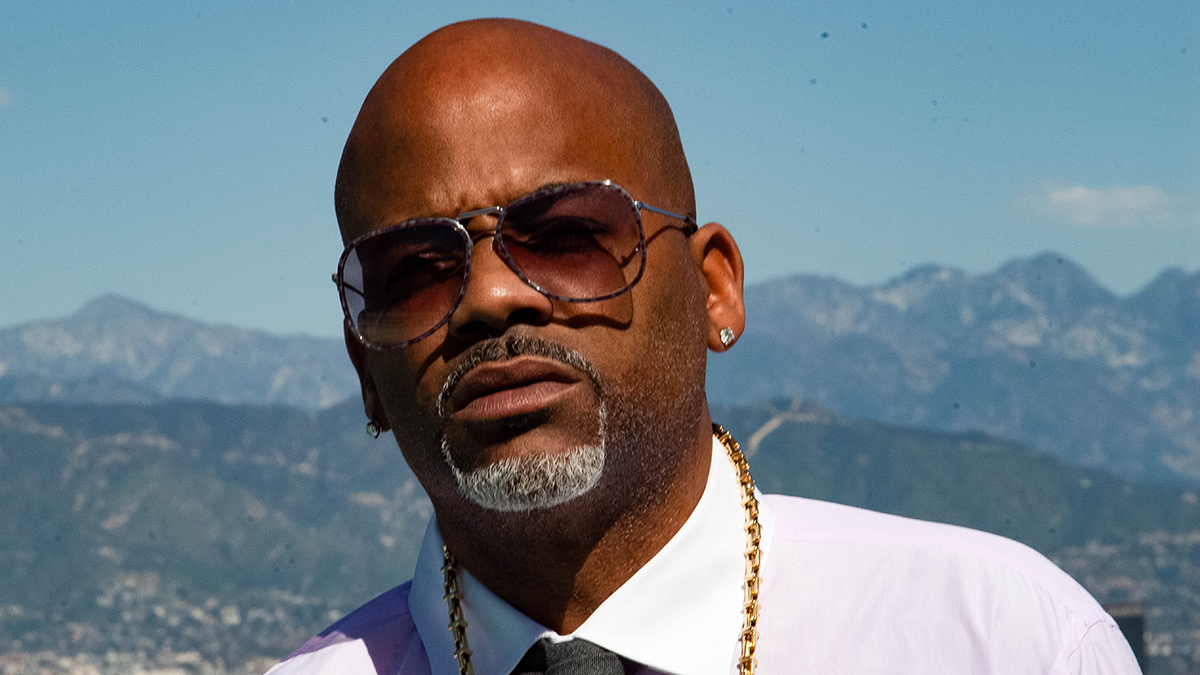
For decades, Dame Dash served as one of hip-hop’s most prominent proponents of financial independence and ownership. Ironically, he is now embroiled in legal and financial disputes regarding the commercial rights to his own personal narrative.
Dash co-founded Roc-A-Fella Records alongside Jay-Z and Kareem “Biggs” Burke in 1994, establishing an influence that extended well beyond music production into fashion, film, and creative control. Throughout his career, he maintained a consistent belief that artists ought to build their own enterprises rather than rely on traditional music executives.
However, as of October 2026, the commercial rights to his life story were classified as a bankruptcy asset and sold to the highest bidder for $550,000.
In September 2025, Dash filed for Chapter 7 bankruptcy protection, declaring approximately $25.3 million in total liabilities against $4,350 in personal assets. Following an auction on October 1, Everlasting Films LLC submitted the winning bid to acquire his commercial life-story rights, select name, image, and likeness rights, as well as over 100 hours of archival footage, photographs, memorabilia, and unreleased video intended for a Roc-A-Fella documentary project.
The proceeds from this sale are designated for his creditors; notably, this transaction did not include Dash’s ownership share in Roc-A-Fella Records, which was previously auctioned in 2024.
On October 23rd, Dash’s attorney filed an objection to the sale with his concerns, including the protection of assets and experiences acquired after the bankruptcy firing, which include private unrecorded memories, and ensures that Dash can not be compelled to cooperate with whoever purchases the rights.
He also received a Chapter 7 bankruptcy discharge, but the case remains open, and the sale faces a court hearing scheduled for Tuesday, October 27th,2026.
Is Dame Dash’s current situation the result of poor business decisions, the consequences of ongoing legal battles, or a combination of both? There’s no denying that Dame helped build an empire that forever changed the landscape of hip-hop.
But when someone who has spent decades advocating for ownership and independence finds himself fighting for the rights to his own story, it raises a much bigger question: What does this mean for the future of creative ownership? And more importantly, will these financial and legal struggles be enough to overshadow his contributions and ultimately rewrite the legacy of Dame Dash?
Katerina Koufalis