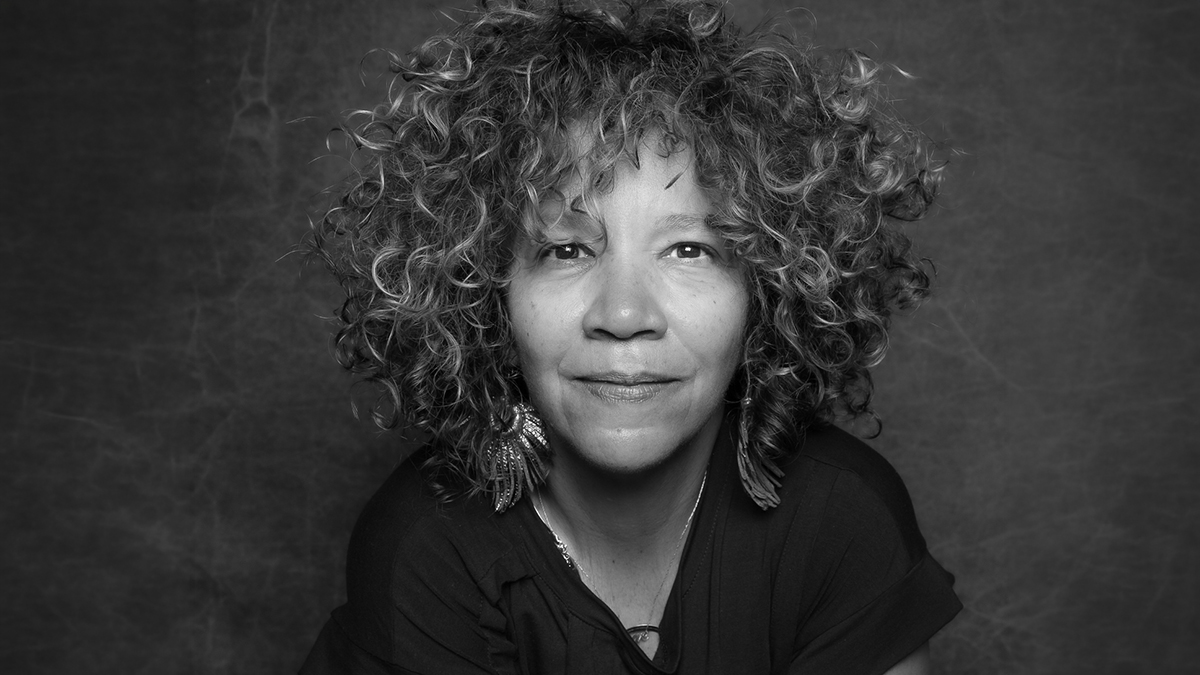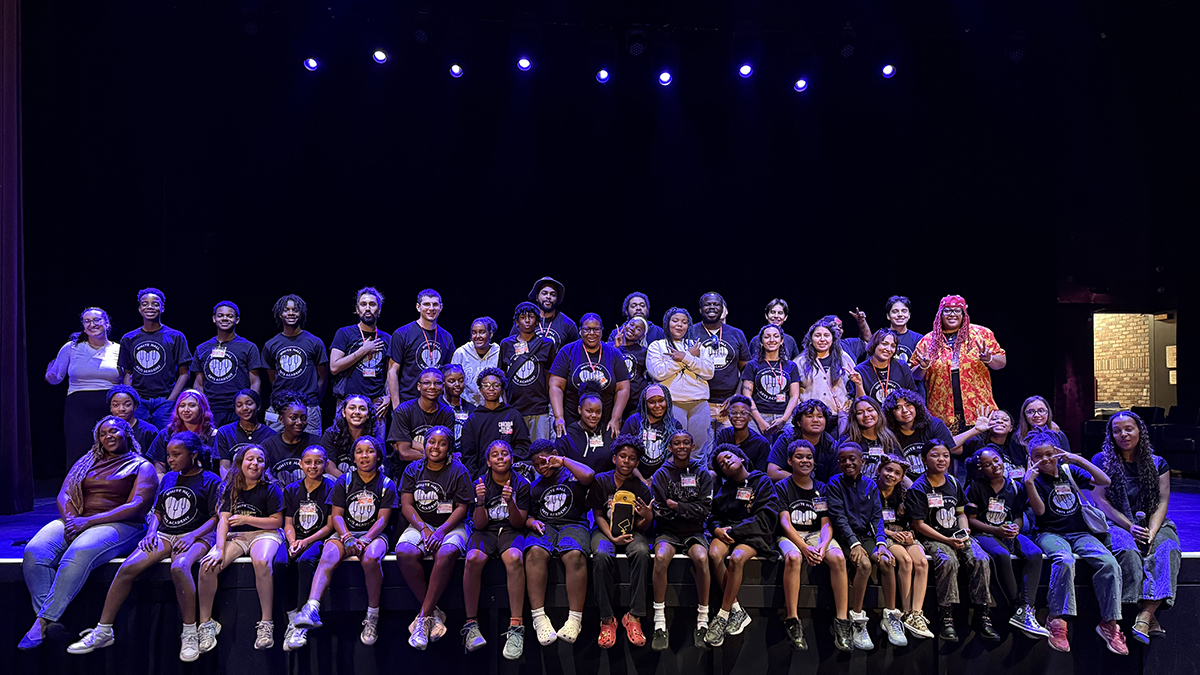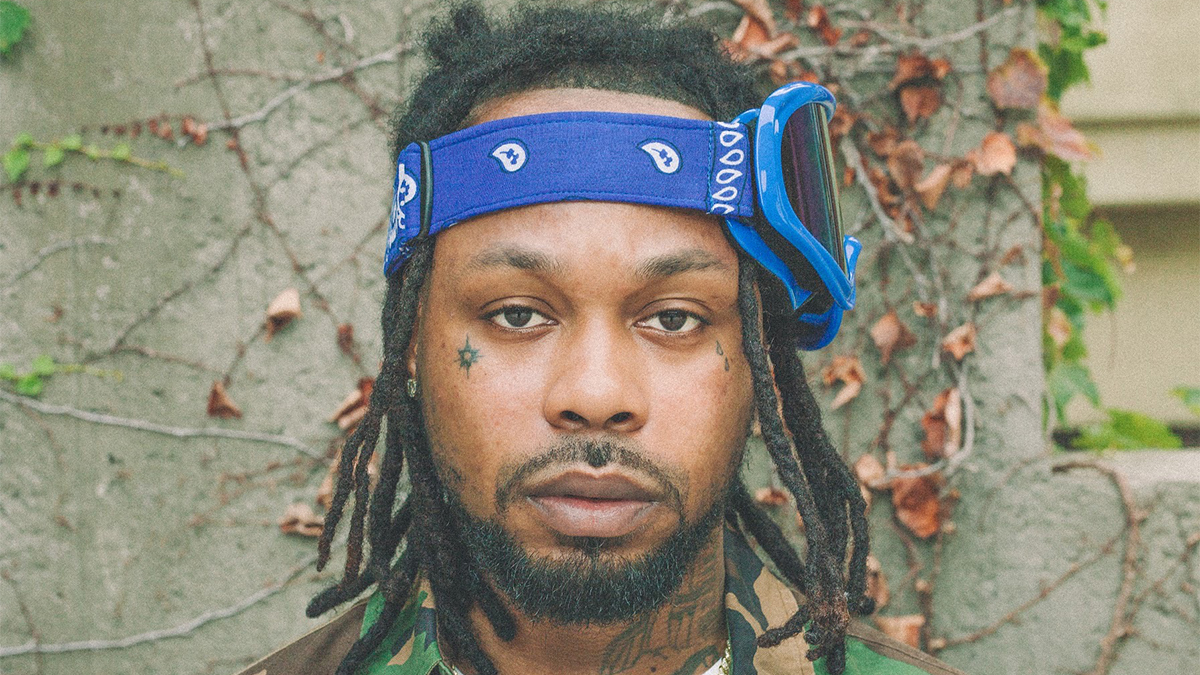
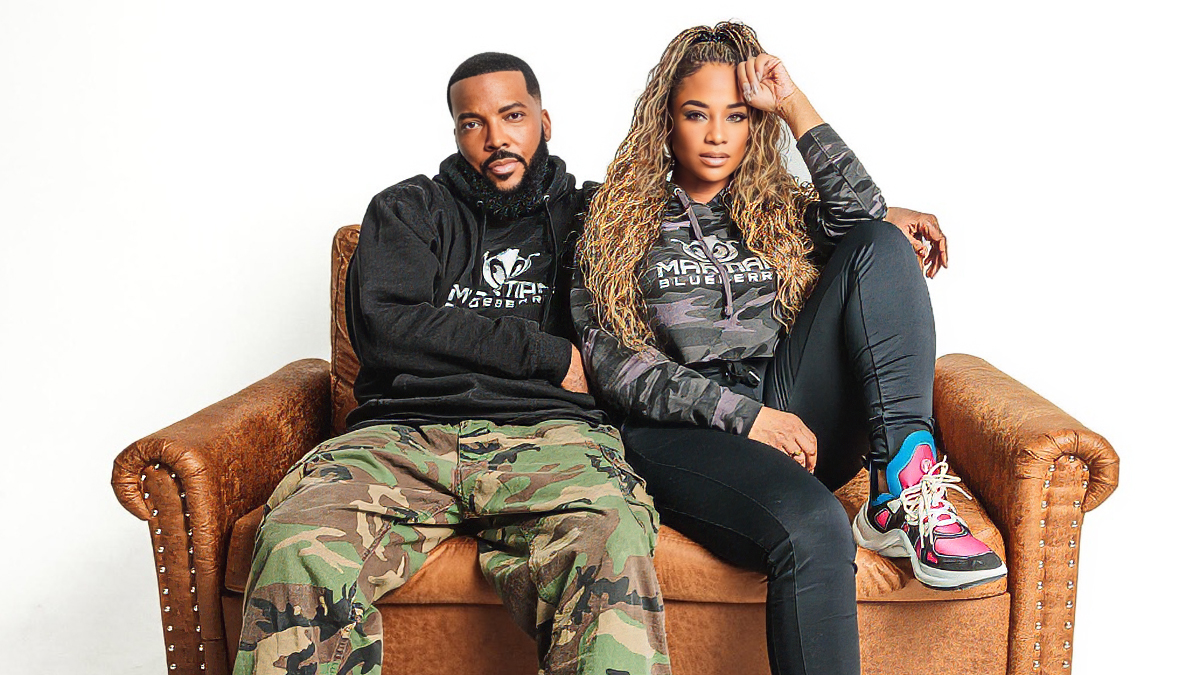
Carl Jones and Love Jones are proving that imagination does not have to come at the expense of identity. Through Martian Blueberry, the creative partners are building stories that honor culture while pushing beyond the boundaries often placed on Black storytelling. Their work moves between animation, history, music, business, and original world-building, all while remaining grounded in a belief that authenticity matters more than convention.
In this conversation with Urban Magazine, the Joneses reflect on creative partnership, artistic freedom, representation, and the responsibility that comes with telling stories for audiences that have too often been overlooked. They also discuss Junichiro Jackson, their work highlighting Negro Leagues history, and the importance of creating characters who can be heroic, flawed, strange, funny, visionary, or unexpected. At the heart of their journey is a message that feels both timely and enduring: Black creators should have the freedom to imagine without limits.
Martian Blueberry has built its identity around original storytelling, culture, and creating space for voices that have not always received enough attention in animation. What was the original vision for the company, and how has that vision changed as the studio has grown?
CARL JONES: I would say the original vision for the company was to tell authentic stories that spoke to us personally, but also to the culture in a very intimate way. A lot of times, you’ll find TV shows and films that pander to us, or attempt to reach a global audience where they check off all the boxes and try to talk to everyone. We prefer to have a more intimate conversation with our people. So we tell authentic stories that are meaningful to us and, hopefully, resonate with others.
I think the fortunate thing for me, being part of The Boondocks — which is still held in high regard within the culture — is that we were very intentional about the characters we created and the things we wanted to say with the show. The influence and inspiration came directly from the culture, and we’re of the culture. We wanted to carry that torch and keep that same legacy going through what we did with The Boondocks, Black Dynamite, and some of the other projects I’ve worked on.
LOVE JONES: I would say the way it has changed is that we believe in the power of the pivot. We don’t like to stick to one thing or one idea. If something presents itself, it sounds like a good idea, and it’s on brand with what we’re trying to do, we’ll definitely entertain it. We’re constantly growing and discovering new ways to build the brand.
Carl, how has your approach to animation evolved from The Boondocks and Black Dynamite to the work you’re doing today?
CARL JONES: As human beings, we evolve. We have new experiences. We learn new things. I only know how to write and create from a real place. A lot of times, if I’m not inspired to tell a particular story or create a character, I just won’t, because I’m not interested in that. I’m not sure how much my approach has changed, but I’ve learned a lot more and grown as a person. My perspective on things might have changed, and that’s going to be reflected in the stories I tell.
One thing we’re trying to do more of now—something I didn’t get a chance to do earlier in my career—is more genre-driven work. I’ve always been a big space cadet. I’m into a lot of sci-fi, and I study quantum physics, ancient Egyptology, African cosmology, Sumerian doctrine, and other fields I haven’t really had a chance to explore creatively until now.
We want to find ways to still speak to our people in a real way and do something that’s authentically Black while incorporating genres and themes you typically don’t see in a lot of Black film and television. How come Harry Potter can’t be in Harlem? Why can’t E.T. come to Crenshaw? Those are the kinds of stories we’re interested in telling and the kinds of worlds we’re interested in building—bringing together things you typically wouldn’t see together.
Love, you came into Martian Blueberry with experience across entertainment, music, casting, and business. How does that background influence the way you approach producing projects and building the company alongside Carl?
LOVE JONES: It actually came together very naturally. I was a little apprehensive because our first project was such a big project. The minute he announced it, I was like, “Wait.” Our first project was with the Lakers and the Federal Credit Union. But the thing is, we work well together.
It’s a real yin-and-yang partnership. Where I’m strong, he may need support, and vice versa. We balance each other well. The business experience I learned over the years through my other ventures carried over easily. I had also been doing some production work, and I’m a big gaming and animation nerd, so it was already something I was passionate about. It all merged naturally.
CARL JONES: I want to add something to that. For years, I’ve struggled with ADHD. I have a very strong hyperfocus, but I also have trouble focusing on things outside the creative. Where we complement each other is that I’ll have an idea I get excited about, give it all my focus, and start creating this entire world around it. But executing it and turning it into something tangible is a whole different thing.
A lot of people who struggle with ADHD have a similar experience. Your pistons are firing creatively, and you don’t have a problem coming up with ideas, but when you have a million ideas happening at the same time, it can become problematic. Love helps me stay consistent with an idea or vision and see it all the way through. She also helps with discernment — deciding which ideas we actually want to give our energy to and which ones I may not be excited about a week later. That’s a big part of what makes our collaboration work.
You’ve described Martian Blueberry as a place where storytelling, culture, and commerce come together. How do you protect the creative integrity of a project while also thinking about its potential as a brand, franchise, or larger intellectual property?
CARL JONES: The integrity of the art is always first and foremost. If there are opportunities to make money doing things we don’t really care about, don’t have a passion for, or that would compromise our integrity or fail to align with our values, we want to avoid doing them. They say money makes the world go ’round, but I think culture makes the money go ’round. If you focus on the culture, speak to the culture, and create culture, you can create new lanes and new pathways. Sometimes you’re simply inspired and driven to tell a particular story, and that’s what gets us excited.
The integrity of being honest as an artist and creative is far more valuable than any money. Most of the memorable TV shows and films that have stayed with us over the years are not memorable because they made a lot of money. They’re memorable because they were meaningful to us, and they were meaningful because they were meaningful to the people who created those stories. We try to make sure everything we do is meaningful to us.
LOVE JONES: I have nothing to add to that. That was perfect.
Junichiro Jackson is one of the projects Martian Blueberry has recently been presenting to audiences. What can you tell us about the character, the world surrounding him, and what first inspired you to develop the project?
CARL JONES: It’s a project we’re developing with a company in France called TeamTO. The company has been around for more than 30 years and is a premier animation studio in France. More recently, Marco Balsamo and Tara Sibel Demren became involved in leading the company, and we started collaborating with them on projects. Junichiro Jackson, or JJ, was one of the first.
JJ is Marco’s brainchild. He created the character and the world, then brought it to us, and we began developing it together as a series and into the teaser you saw. At the heart of the story is a guy battling demons that manifest themselves in the physical world he lives in. It’s not just inner turmoil. These demons appear to him in different ways, and they become physical beings that make his life hell until he learns to deal with what’s going on within him. It’s a psychological thriller set in Brooklyn, very anime-inspired, and a really dope take on Japanese demon folklore.
LOVE JONES: He said everything I can say. I’m always the one who has Carl and the team on pins and needles because I break news I’m not supposed to break. But we can talk about Coast Contra. They did the theme song, as well as voices for the main characters, and we had a lot of fun working with them.

With JJ, what influences are you drawing from in anime, manga, hip-hop, Black culture, martial arts films, and other forms of storytelling? How do you combine those influences without simply copying what audiences have seen before?
CARL JONES: Marco is a big anime head, and he was definitely inspired by The Boondocks. That’s part of the reason we ended up working with him. He reached out to me years ago through a DM. I get a lot of DMs, but I try to read them all and communicate with people who reach out. That meant a lot to him at the time.
He presented the project to me a while back. I wasn’t able to take it on then, but it has grown and evolved since. I can’t speak for all of Marco’s inspirations, but I know he’s a big Miyazaki fan. He loves Akira, Cowboy Bebop, Samurai Champloo, FLCL, and other classic anime IP.
LOVE JONES: Music was also a big inspiration. We wanted artists like Coast Contra because they have that new, old-school feel. They’re newer artists, but they have that throwback, backpack-hip-hop feel when they rhyme. It gives the project a gritty, authentic sound, and that was important to us.
CARL JONES: Love and I wanted to make sure the character—who is half-Black and half-Japanese—felt rooted in hip-hop and resonated with us. That comes through in the character’s swagger, how he talks, and how he walks. Kappa, his right-hand man and the demon you usually see him with, was another place where performance mattered.
I voice-directed Coast Contra in their roles, and I wanted them to reach into their own personalities and pull from that. A big reason The Boondocks resonated with the culture is that we cast it in a way where people brought their own personalities to the characters. That’s where a lot of the comedic gold came from. We gave people room to be themselves. Once Coast Contra got comfortable in the booth, they brought even more to the characters than what was on the page.
You’ve worked on projects ranging from entertainment to branded animation and historical storytelling, including MLB’s Undeniable: Stories from the Negro Leagues. How does the creative process change when telling a historical story compared with building an original universe like JJ?
LOVE JONES: With historical work, you’re a little more restricted because you have to build from what actually happened. You’re telling someone else’s story in animated form, and you want to make it compelling and larger than life without losing the truth of it. With an original project, you can use your imagination and go as far as you want. We have fun with both.
What excites us is putting out stories where we can see ourselves in spaces where we usually don’t. We love anime and other animation, but we don’t always see ourselves represented. We can be space cadets. We can be magicians. We can be wizards. Creating original IP that puts us in those worlds is what makes us excited to work every day.
CARL JONES: Each of those projects excited us for different reasons. With MLB, a lot of people don’t know much about the Negro Leagues. Even if they’ve heard of them, they may not know many of the details we highlight in the series. For example, I don’t think many people knew Black women played in the Negro Leagues alongside men.
LOVE JONES: It wasn’t a matter of a male league and a female league. It was: Can you play? How good are you? Can you get on the field?
CARL JONES: I also don’t think a lot of people knew how much the Negro Leagues were thriving before Jackie Robinson integrated Major League Baseball. The strength of the Black baseball ecosystem helped the Black community economically. As baseball became integrated, the Negro Leagues declined, and that had an economic impact on those communities. These are things we’re not always taught.
That made it exactly the kind of project Martian Blueberry wanted to be part of. We want to entertain, but we also like to educate and inspire our people.
LOVE JONES: We learned a lot making the series. Night baseball in the Negro Leagues was another piece of history that stood out to us. There was so much we couldn’t touch on because we only had so much time. We would love to continue the series because there is still so much people should know.
As Black creators gain more opportunities in animation, there can be pressure to create work that represents the entire culture. How do you balance cultural responsibility with the freedom to create characters who can simply be complicated, strange, funny, flawed, or unexpected?
LOVE JONES: That’s a good question.
CARL JONES: It’s something we wrestle with often. Unfortunately, there still aren’t a lot of Black creatives in the space, and even when there are, we’re not always the ones telling our own stories. The lack of original, authentic Black stories puts a lot of pressure on the few people who do get the opportunity to put something on the screen. I do think we have a responsibility to uplift the culture and represent it thoughtfully. But at the same time, as artists, we reserve the right to be artists. If we want to tell a particular story that doesn’t check every box the culture might want checked at once, we should be allowed to do that.
The thing we always try to hang our hat on is truth. I’m not going to run away from things that might be deemed stereotypical just because there’s a lack of programming that shows us in a positive light. Even if the character is a drug dealer, stripper, pimp, or prostitute, there is still a human story that can be told about that person. Our job isn’t to run away from those ideas or stereotypes. It’s to show the humanity within them so that people outside that world, who might normally judge them from the outside, can see themselves in those individuals.
I know some producers and writers would rather present a clean, polished, aspirational image of what it means to be Black, and that should exist too. But that doesn’t mean it’s the only thing that can exist. We want to tell the truth wherever the story takes us. If it takes us to the projects, that’s where we tell the story. If it takes us to outer space, that’s where we tell the story.
LOVE JONES: There’s room for all of us to tell our versions. People have to understand: This is the way I want to tell the story. If you have a different way, tell your story that way and put it out. There’s room for every version. One doesn’t have to be less valuable or less relevant than another.
CARL JONES: I think The Boondocks probably handled it in one of the strongest ways because we had so many different faces of our culture represented in one show. You had Uncle Ruckus, a self-hating Black man. You saw the generational divide between Granddad and the boys. We dealt with interracial relationships, sexuality, hip-hop culture, and all kinds of other subjects. Some of it was real ignorant at times — Thugnificent and all that — but we also gave the audience a perspective through Huey. He was a kind of surrogate for the audience, the lens through which you could look at the craziness and contradictions in the world around him. He could be irrational too, because he had his faults, but he gave the audience a point of balance.
Unfortunately, Black writers and creators have to thread a needle in a way I don’t think a lot of white writers and creators have to. You don’t want to offend your own people so much that they stop watching, but the work also has to be relatable and true. You can’t avoid showing what’s really happening. It becomes a matter of understanding the overall takeaway — what the observation is, what the perspective is, and how that subject fits into the world you created. It’s a very surgical thing.
Be’n Original