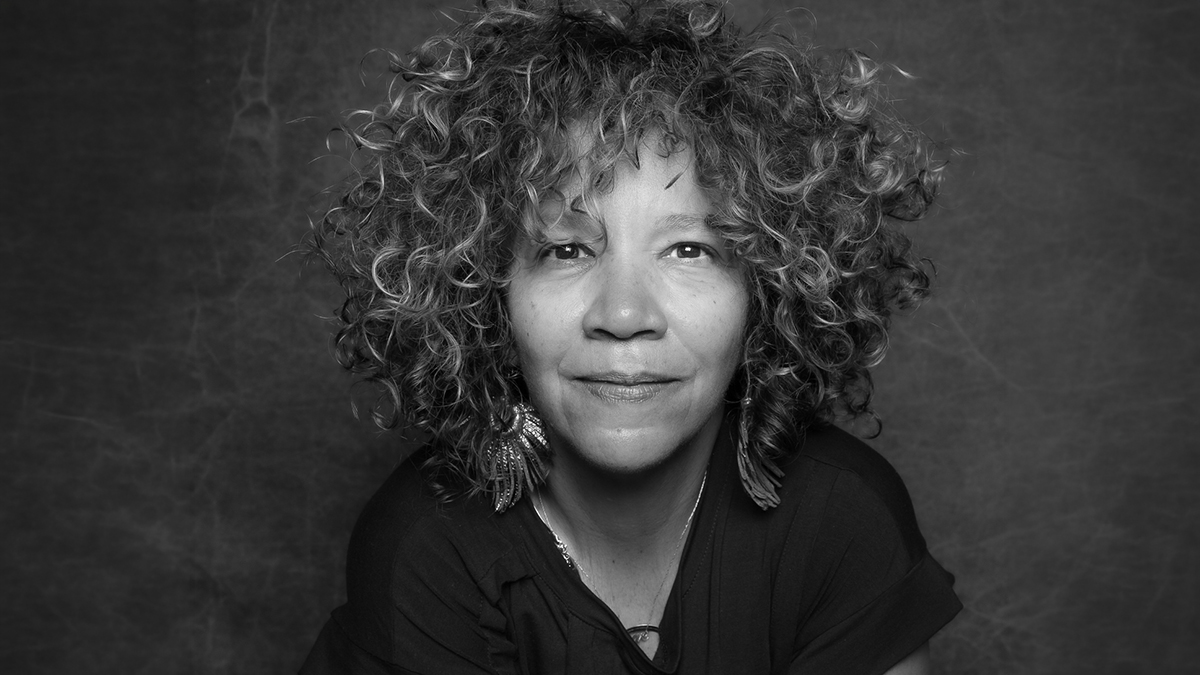

Writer, director, and actress Tiffany Toney has never followed the traditional Hollywood playbook. During the COVID-19 pandemic, as she faced financial hardship and uncertainty, she chose to invest in herself, writing and producing her critically acclaimed feature film Bora. The cult classic survived funding challenges, production setbacks, and a complete reshoot before reaching audiences through spotlight screenings and streaming platforms.
Today, Toney is producing her second independent feature, Merry F-ing Christmas, while expanding the mission of the Watch Her Glow Foundation, which focuses on breast health, mental wellness, education, and self-love. In this conversation, Toney discusses perseverance, independent filmmaking, and why purpose matters more than recognition.
Your story is often framed around betting on yourself when Hollywood wasn’t. Was there a defining moment when you realized waiting for permission was no longer an option?
The pandemic was that moment. Like everyone else, I was dealing with uncertainty, and I kept asking myself, “If this really is the end, am I satisfied with what I’ve done as a creative?” The answer was no.
A group of friends and I decided to create something together, and I volunteered to write it. Within a few weeks, I had the first draft of what began as a short film but eventually became Bora. At that point, I felt like I had nothing left to lose. I was losing my car, my home, relationships, everything. I knew that if I didn’t take the chance then, I probably never would.
You invested your own money into making Bora, despite being told it was too risky. What did that experience teach you?
It taught me that momentum attracts belief. When we started, I only had a couple thousand dollars. I spent it making the first scenes because I believed in the project. As I invested in myself, other people started believing, too. Private investors, grant opportunities, and supporters began showing up.
The biggest challenge came after our first shoot. The original footage was held hostage by someone involved with the production, and when I finally recovered it, I realized it wasn’t usable. We had to start over.
A cinematographer named James Black stepped in and offered to help reshoot the film. The cast agreed to return, even though I had very little money to pay them. Sometimes I could offer $100. Sometimes less. But everyone believed in the story.
The more we committed to the vision, the more opportunities appeared. It became something much bigger than a film.
Nearly 90% of the cast and crew came from historically underrepresented communities. Why was authentic representation so important?
Because it reflected the community I wanted to portray. I’m a Black woman with Indigenous roots, and Mexican culture has had a major influence on my life. Los Angeles is incredibly diverse, and you can’t tell an authentic story about the city without including the people who live there.
Working in Pico-Union meant partnering with predominantly Mexican and Latino communities. They welcomed us, trusted us, and became part of the project. Those relationships showed me that the film was doing more than telling a story. It was bringing people together across communities that don’t always understand one another.
Bora was showcased through spotlight screenings during Sundance and at Afro-Cannes before streaming on several platforms. Why did you decide to reclaim the film’s distribution rights?
I discovered that the distributor wasn’t being transparent about the accounting. Unfortunately, that’s something many independent filmmakers experience. After reviewing the records, I realized the agreements weren’t being honored, so I decided to take the rights back. Even if it meant leaving larger streaming platforms, I felt it was the right decision. The film’s message is about standing up for yourself and protecting people who are being taken advantage of. I couldn’t tell that story on screen while accepting the opposite in my own career.
Now I’m exploring new distribution opportunities while continuing to screen the film around the world.
You’re now producing your second self-funded feature, Merry F-ing Christmas. What has changed since making Bora?
Experience. I recognize warning signs much earlier than I did the first time. I’ve learned how to protect the production, communicate more effectively, and build a team that’s aligned with the vision. Independent filmmaking always comes with challenges, but I’m much better prepared now.
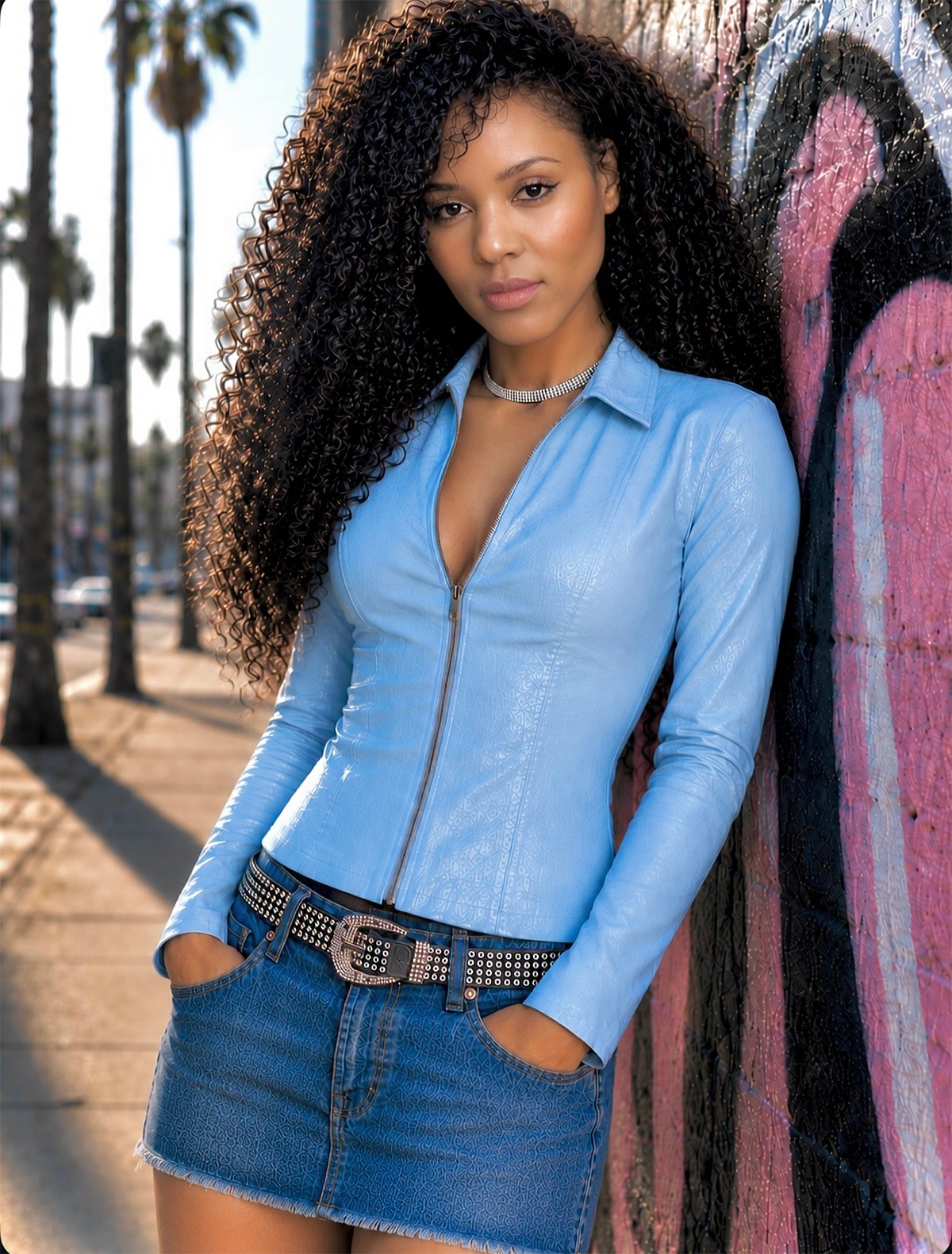
You’ve often said purpose is bigger than fear. How has that philosophy shaped your career?
I actually studied journalism because I thought I wanted to work in news. I realized, though, that my calling was different. Life humbled me. Even though I came from a supportive family and had opportunities, I still experienced poverty, addiction around me, and situations that completely changed my perspective.
Those experiences helped me understand people in ways I never could have otherwise. Early in my career, I wanted recognition. Over time, I realized storytelling isn’t about fame. It’s about empathy. The people I met came from every background imaginable, but they all wanted the same things: love, stability, and the chance to build a better life. That’s what I try to reflect in my work.
Beyond filmmaking, you’ve launched the Watch Her Glow Foundation. How does storytelling help drive social change?
Film gives me a platform that allows people to listen. Women’s health, breast cancer awareness, breast implant illness, mental wellness, and education are all deeply personal issues for me and my family. If storytelling gives me an opportunity to bring attention to those issues, then I have a responsibility to use it.
That’s the mission behind the foundation.
Years from now, what do you hope people will say about your legacy?
I hope they say I gave people hope. For generations, people of color have often been told what they can and cannot become. Those expectations exist both on screen and in everyday life.
I want my work to encourage people to step outside those limitations and believe they can pursue whatever path they’re called to follow. If my career inspires even a few people to believe in themselves, then I’ll consider that a life well lived.
Be’n Original