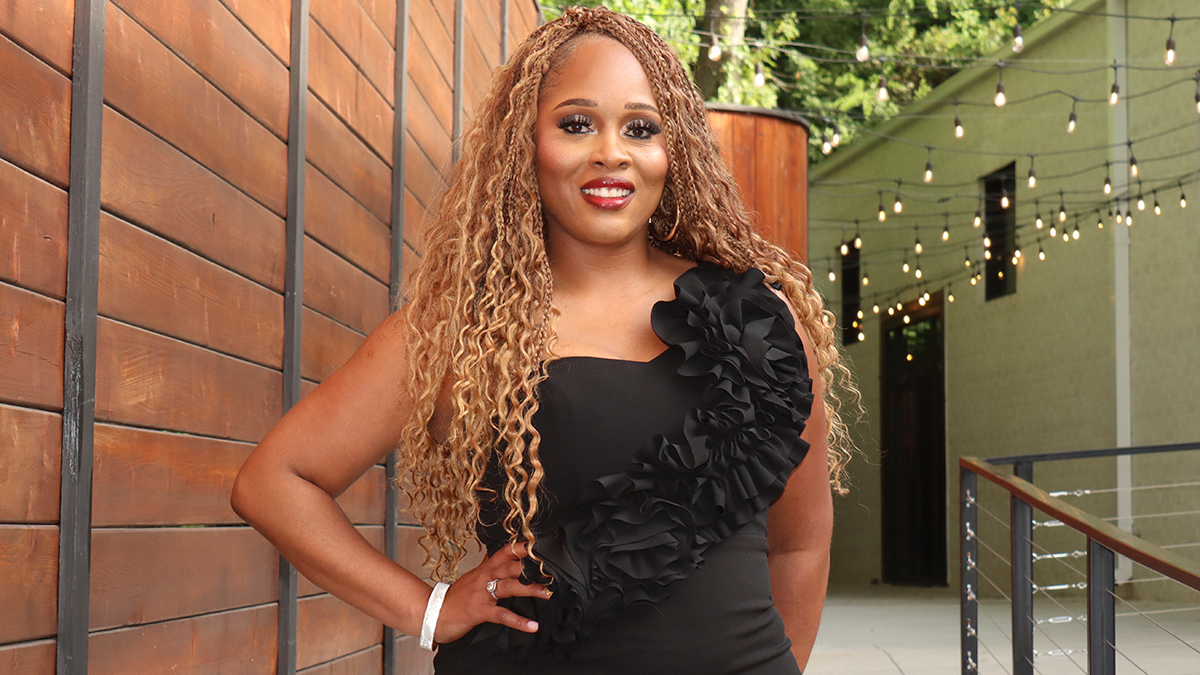
Ni’Cola Mitchell’s story is one of survival, faith, and purpose. After enduring the trauma portrayed in the Lifetime film “Giving Hope: The Ni’Cola Mitchell Story,” she made a choice not to let the most painful chapters of her life define how her story would end. Instead, she turned those experiences into a mission to reach girls who may be facing their own battles in silence.
Through Girls Who Brunch, Mitchell has created spaces where young women can feel seen, heard, protected, and reminded that their circumstances do not determine their future. What began as a promise to help a small group of girls has grown into a movement touching thousands of lives across the country and beyond. At the center of it all is a message Mitchell knows from experience: pain can become purpose, survival can become strength, and one person who believes in a girl can help change the course of her life.
What inspired the Girls Who Brunch tour, and when did you realize it had the potential to become so much more than a single event?
I was in Charleston, South Carolina, 11 years ago for a book signing when I met girls who were impressionable but lacked access to things many people take for granted. Being from Jamaica, I understood how limited exposure can shape a young girl’s world. I told myself I would come back and do something for them. It was supposed to stay local, with events in Charleston, Las Vegas, and Atlanta. After the first event, nine other cities wanted us. I never expected that growth. I believe that was God.
The tour focuses on creating spaces where girls feel seen, heard, and supported. What are some of the issues young girls are bringing into those spaces today that adults may not fully understand?
The biggest issues are online bullying, suicide, and predators who approach children online as friends or mentors. Last year, I helped 11 families with funeral planning after girls died by suicide, which inspired this year’s theme, ‘Safe Spaces, Brave Faces.’ We create a space where girls can talk openly and learn how to be brave. Our speakers share their vulnerabilities, not just their accomplishments, so the girls can see how they faced difficult situations, made different choices, and moved forward.
Girls Who Brunch has grown into a multi-city movement and has reached thousands of girls. What have you learned about the needs of young women while traveling to different communities?
I’ve learned that girls need many of the same things everywhere, regardless of income, ethnicity, or location. They want to feel loved, seen, and heard. Parents are often busy, and social media takes up so much attention that children can feel overlooked. A little attention can go a long way. I’ve watched girls who are considered shy get up, speak, dance, and share their stories. Whether we’re in St. Lucia, Nigeria, Detroit, or another city, that basic need for love and connection is the same.
You support girls facing issues like low self-esteem, bullying, foster care, teen motherhood, and trafficking risks. How do you create programs that are serious yet empowering?
We make serious information engaging and practical. After working with girls affected by trafficking in Detroit, I introduced safety and self-defense classes, and they are now part of every city we visit. Survivors and trained leaders teach girls how to recognize danger, escape holds, and protect themselves. We also added CPR training after my own heart condition made me think more about emergency preparedness. The goal is to give girls memorable tools they can use to protect themselves, their families, and their communities while still making the experience empowering.
Mentorship is a major part of the Girls Who Brunch mission. What does effective mentorship look like to you, and what do young girls need most from adults who want to help them?
Effective mentorship is not a one-time event. Girls need access to adults who are willing to show up when something is happening and help them work through real issues. Some girls come from trauma-based environments and have learned survival behaviors that may not serve them well. A mentor should help them understand those patterns and make different choices. My own mentor was with me from age 14 until he died two years ago. I believe mentorship should be treated like an extended-family relationship and a long-term commitment.

Your current “Safe Spaces, Brave Faces” initiative encourages girls to embrace their identities and strengthen their voices. What does being brave look like for a young girl in 2026?
Being brave means standing up for what’s right, even when there is pressure to stay quiet or conform. Girls may witness bullying, face pressure around sex, or see someone else being mistreated. Bravery is knowing how to stand up for yourself, protect yourself, and protect the person next to you. Not every girl has the same resources or confidence, so ‘Brave Faces’ teaches practical techniques that help girls become difference-makers, speak up, and support others who may not yet feel strong enough to do it themselves.
As Girls Who Brunch continues to expand into different cities, how do you make sure the organization remains connected to the specific needs of each local community?
We have teams in every city, and they help identify what girls in that community need. Our local leaders include community advocates, police officers, nonprofit founders, and public figures who understand what is happening on the ground. Their work goes beyond planning events. If a girl reaches out because she lacks hygiene products, for example, committee members may deliver supplies directly to her school. It takes a village. Keeping people in each community involved year-round helps us respond to real needs instead of assuming every city needs the same thing.
Your own life story has become part of your advocacy work, including the Lifetime film Giving Hope: The Ni’Cola Mitchell Story. How has sharing your personal experience helped you connect with girls who may be going through difficult situations of their own?
Sharing my story helps girls understand that the person standing in front of them has also survived difficult experiences. They may first hear about Ford, Black Enterprise, Lifetime, or Netflix, but then I tell them I was raped multiple times by age 15 and became a teen mother. That changes how they listen. Some girls tell me they relate to what I went through. I believe my vulnerability and candor keep them connected and show them that difficult circumstances do not have to determine the direction of their lives.
Corporations, community organizations, schools, volunteers, and sponsors all play roles in supporting programs like Girls Who Brunch. What does meaningful support from a company or community partner look like beyond simply writing a check?
Meaningful support includes access, education, volunteers, and money. Companies can invite girls into their workplaces, show them different career paths, and teach practical skills. We’ve worked with construction companies and with Chase Bank on financial literacy and bank accounts. Barclays Bank in Las Vegas sent nearly 50 employees to help with setup and breakdown. Financial support still matters because even donated goods have shipping and transportation costs. For us, service and funding are both essential, and companies can make a difference by contributing their people as well as their resources.
When a girl walks into a Girls Who Brunch event and later walks out, what is the one thing you hope has changed in the way she sees herself and her future?
I want every girl to leave believing she can do and be anything. Access can change the way a young person sees what is possible. When girls meet a lawyer, doctor, celebrity, or another woman they admire, they can begin to think, ‘If she did it, I can do it.’ I serve 59,000 girls, and many call or text me about what they plan to accomplish. I tell them they can be better than me. The first person they need to believe in them is themselves. That belief can change everything.
Be’n Original