Even if you have avoided social media, you have probably heard something about Nolan Wells’ death.
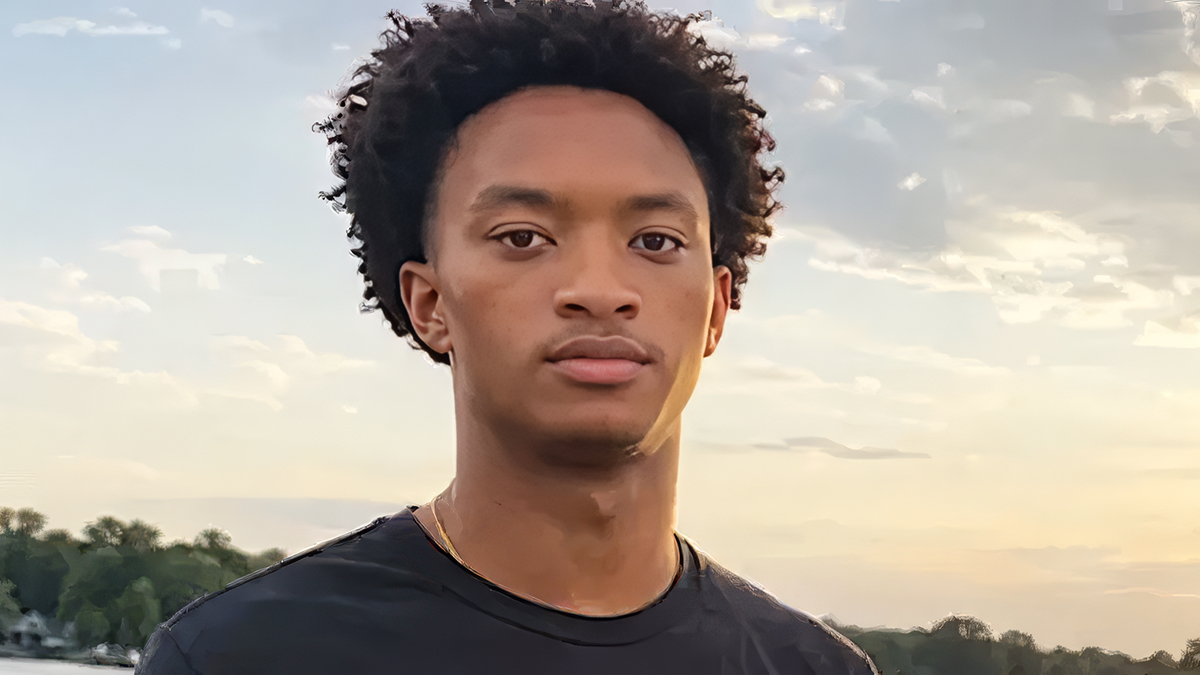
Wells was an 18-year-old Black college football player who disappeared from Horn Island, Mississippi, on July 4 after spending the holiday with friends. When he did not return to the mainland with them, a search began. His body was found in the water two days later.
Now, nearly three months after his death, a Mississippi grand jury has returned a unanimous “no true bill,” meaning no one will be indicted. Wells’ family is now asking for a federal investigation.
The jury reviewed 132 subpoenas, testimony from 43 witnesses, cellphone and forensic data, photographs, videos, GPS information, and the Wells family’s independent investigation. Its conclusion: the circumstances surrounding Wells’ body were consistent with drowning, and there was no credible evidence of criminal conduct by the people who traveled to or from Horn Island with him.
The Mississippi State Medical Examiner performed Wells’ initial autopsy on July 7. Dr. Roger Mitchell Jr., the former chief medical examiner for Washington, D.C., later conducted an independent examination arranged for Wells’ family and funded by Colin Kaepernick. Both examinations ultimately classified Wells’ cause and manner of death as undetermined.
Mitchell’s examination also came with limitations. Organs and internal neck structures had already been removed during the initial autopsy, which is standard forensic practice. However, their absence prevented Mitchell from fully examining those areas himself, including the lungs and airway for evidence related to drowning or the possibility of a neck injury. He also documented a 12-by-8-inch area of red discoloration in the soft tissue at the back of Wells’ head that he could not explain.
The friends had also retained attorneys while Wells was still missing. Warren Hudson later acknowledged, “Of course we lawyered up.” That does not establish wrongdoing. The timing, however, is a fact.
So what happens when a Black family is left with more questions than answers after a death that remains officially undetermined?
Across the country, Black Americans have watched cases involving racial violence, harassment, and suspicious deaths become battles over whether what happened was serious enough to warrant accountability. Sometimes the evidence leads to prosecution. Sometimes it does not. Nonetheless, every unresolved case adds another layer to the question. Black communities have been asking for generations: Who protects us when the system turns a blind eye?
Lynchings once happened openly. Today, violence does not always arrive with a rope, a burning cross, or a crowd. Sometimes it arrives as a death surrounded by unanswered questions, disputed circumstances, and an investigation that is eventually closed.
Nolan has been returned to the earth, and his family continues asking for answers. Meanwhile, the people who were with him remain outside a courtroom, a jail cell, and the reach of criminal charges.
When accountability repeatedly feels out of reach and families are forced to look beyond the system for answers, what exactly is being taught to those watching?
Na’ilah Burston