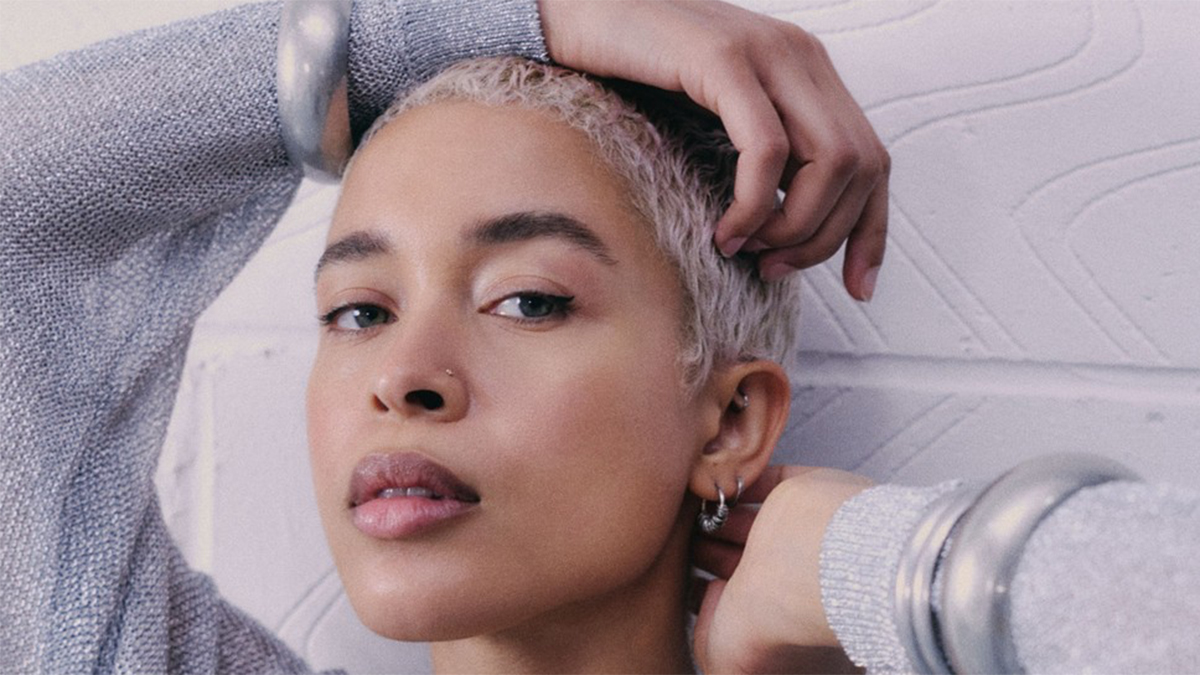

Imagine waiting nearly a decade for an album from an artist whose music has soundtracked some of the most important moments of your life, only to learn that there may be more than 100 unreleased songs sitting in a vault. For Rihanna’s fans, that revelation is both exciting and maddening. During an October 6 Fenty Beauty livestream, the singer compared her music vaults to the brand’s Gloss Bomb Vault, suggesting she had at least seventeen vaults. Fans did the math and calculated approximately 170 songs. Suddenly, the question was no longer whether Rihanna had music. It was why they still hadn’t heard it.
Since releasing ANTI in January 2016, Rihanna has built a beauty empire, expanded her fashion ventures, and embraced motherhood, all while fans have continued to anticipate her ninth studio album. For a fanbase that has spent years wondering when “R9” will arrive, the thought of an entire collection of unreleased music feels almost unbelievable. How can an artist have so much music and still leave the people who love her waiting?
But perhaps that question reveals something deeper than impatience for a new album.
Music has a way of attaching itself to our lives. A Rihanna song might remind someone of their first heartbreak, a night out with friends, or the version of themselves they were trying to become. When an artist has been part of your life for years, their music can feel personal, almost as though the relationship extends beyond the headphones. Naturally, fans want more. They miss the anticipation of a new era, the excitement of hearing a first single, and the feeling of discovering an album together.
That longing is understandable. What becomes complicated is when missing an artist turns into believing they’re indebted to their fans.
Social media has made musicians feel more accessible than ever. We watch their lives unfold, celebrate their milestones, purchase their products, and defend them when criticism arrives. Eventually, that closeness can create the illusion that we should have a say in what happens next. The artist becomes someone expected to keep delivering, rather than a person whose creative life continues beyond what the public gets to hear.
Frank Ocean’s career offers a similar example. Since releasing Blonde and Endless in 2016, he has maintained a devoted audience eager for another full-length project. Every appearance and hint of new music can reignite anticipation. For fans who have waited years, the desire to hear what comes next is real. Yet that desire cannot tell us what an artist is experiencing privately, what they want to create, or whether they are ready to share it.
This does not mean artists are beyond criticism. Fans can express disappointment, question prolonged silence, or eventually move on. Their support matters, and musicians benefit from the audiences who give their work a home. But supporting an artist does not make their creativity a public resource. A song recorded years ago may no longer represent who they are. A collection of demos does not automatically become an album simply because listeners are ready for one.
That is what makes Rihanna’s revelation so fascinating. We do not know how many of those songs are finished, what they sound like, or whether she intends to release any of them. The possibility of 170 songs does not mean 170 songs are ready for public consumption. More importantly, the size of her vault does not determine what she owes us.
One of the most difficult parts of loving an artist is accepting that our relationship with their work does not grant us ownership over their next move. We can miss the music. We can wish the wait were over. We can even feel disappointed when another year passes without an album. Those feelings do not make us bad fans; they make us human.
Rihanna is human, too. While fans may be waiting for the next soundtrack to their lives, she is allowed to decide what that soundtrack sounds like, when it arrives, and whether it arrives at all. After all, loving an artist should leave room for the person behind the music, not just the music we hope to receive.
Na’ilah Burston