There is a disgustingly stale habit in hip-hop media that refuses to age out: grown men turning old access, private moments, and past ties with women held in high regard into fresh content. It is gossip dressed as candor. It is nostalgia used as leverage. And too often, it lands on women who built their own careers through hard work and consistency and owe no one a public replay of their personal history.
The recent Brandy episode showed the pattern in plain view.
After comments resurfaced about her alleged dating history during a public conversation involving Shyne, Cam’ron, and Ma$e, Brandy responded. She said she and Shyne had a “platonic friendship” and rejected the idea that they dated. She also said an “untrue narrative” about a friendship from more than 20 years ago was being reshaped in current media interviews (which appeared conveniently timed to promote Shyne’s forthcoming album). The iconic singer added that people telling “their version” of her story helped drive her decision to release a memoir and tell her own truth.
That response was measured, but it carried a deeper message: women should not have to clean up stories men profit from repeating.
Brandy is not a newcomer. She is a legendary artist with decades of work, awards, influence, and endurance. Yet the conversation around her was dragged back to whether men once had access to her in intimate moments that had nothing to do with her music career. That is the reduction. A woman’s catalogue of grand accomplishments gets pushed aside so immature men can trade alleged memories like high school trophies.
Hip-hop should be more evolved than that by now.
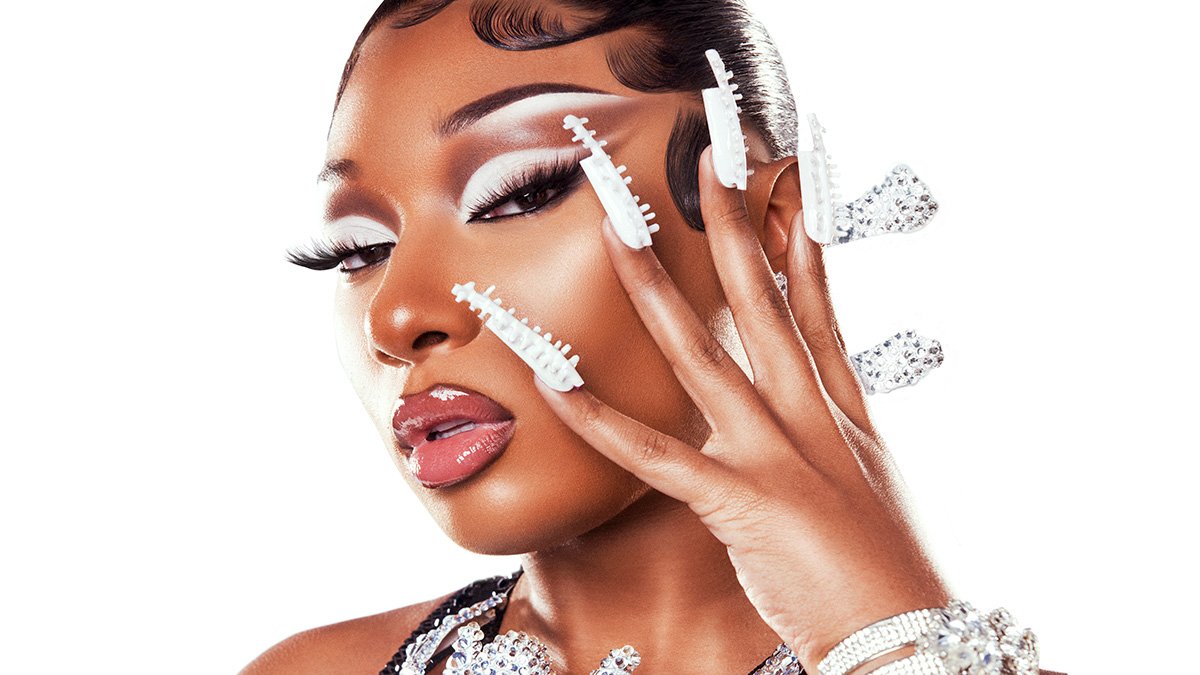
The Megan Thee Stallion and Klay Thompson discourse has exposed a related impulse. After her recent breakup with Klay Thompson, Megan said trust, fidelity, and respect are non-negotiable for her and that she was choosing to move forward after those values were compromised.
Instead of an outpouring of empathy for her heartbreak, what followed was predictable: speculation, rumor-chasing, and commentary from every angle. The details of a woman’s pain became public entertainment before the story had time to breathe. Men, by a large majority, openly celebrated and unfairly began to compare notes, speculating on the number of men the Houston-based rapper slept with and why she deserved to suffer.
Even when the men involved are not rappers, hip-hop spaces often become the arena where women’s relationships are dissected the loudest. Panels, livestreams, podcasts, and side commentary turn heartbreak into a clout-chasing segment. Some men speak with the authority of being industry insiders. Others posture as truth-tellers while offering nothing more than speculative or presumptive opinions. Many are just monetizing attention with complete indifference towards the people harmed along the way.
That is where “kissing and telling” has evolved. It is no longer only one childish man revealing bedroom stories among his close circle of friends. It is an ecosystem where male voices convert proximity to women into status, often solely to profit.
The damage is cultural as much as personal.
It teaches younger listeners that masculinity means public disclosure instead of discretion. It suggests a woman’s intimacy is communal property once fame is involved. It rewards men for being adjacent to accomplished women rather than being accomplished themselves.
There is another way.
Hip-hop has long prized codes: loyalty, respect, authenticity, and standing on business. Those values should include knowing when to keep private matters private. It should include refusing to turn old romances into new branding or monetization. It should also entail recognizing that women in the culture should be valued and treated with care and respect first, and not used as chattel to be exploited for validation by and from uncultured, morally inept men.
Brandy should be discussed for her music, voice, and legacy. Megan Thee Stallion should be discussed for her artistry, resilience, and command of her own narrative. When grown men keep dragging women back into old stories, they do not look powerful. They look stuck and lacking because, surely, if they had something more notable to discuss about themselves, they wouldn’t feel the need to stoop so low.
A culture built on individual growth and self-actualization should demand better. And so should the people who edify it.
Be’n Original is a culture writer (The Source, XXL, Vibe, King Magazine, Yahoo!, Stress, etc.), editor, and commentator whose work examines hip-hop, media ethics, identity, and the power behind public narratives. A longtime independent publisher and founder of Urban Magazine, he has spent years documenting music, celebrity, and cultural shifts while centering accountability, context, and truth in the conversation.