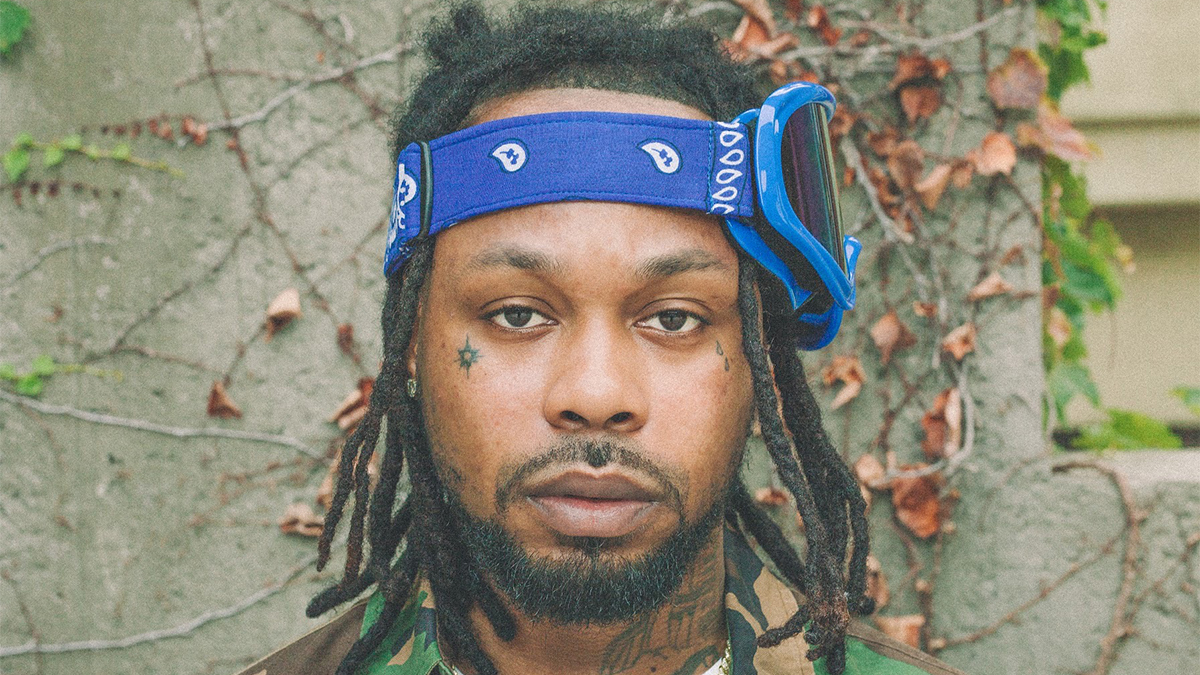
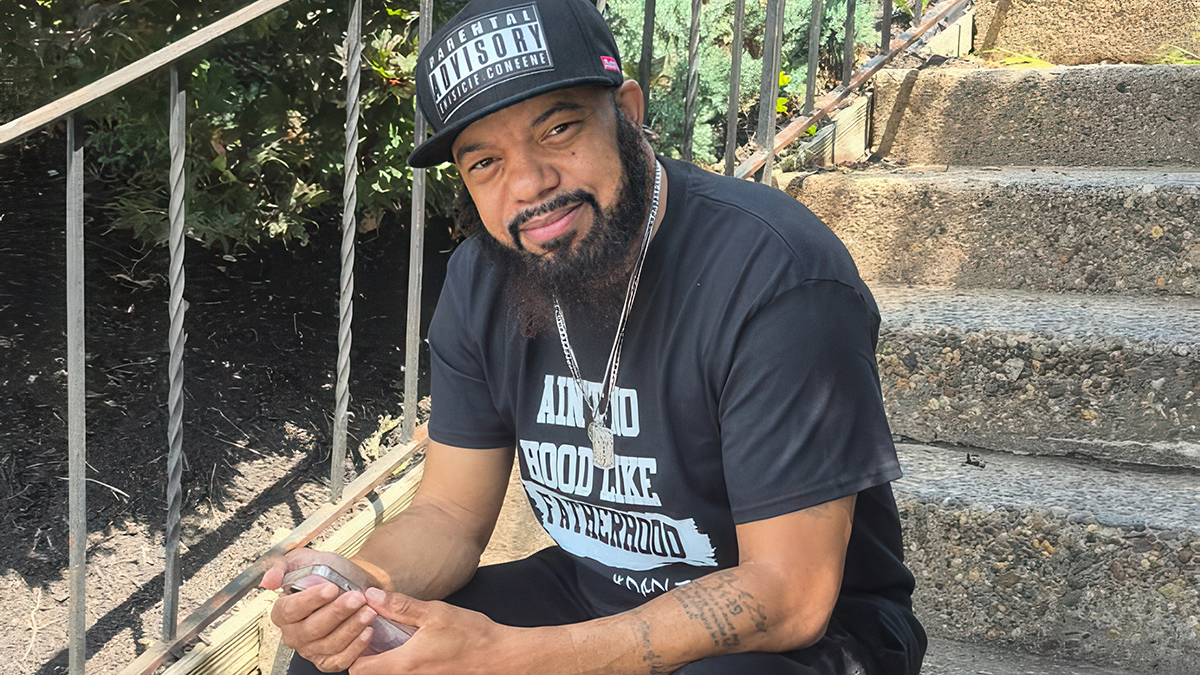
Jimmy DaSaint’s journey from the streets of West Philadelphia to becoming a bestselling author, award‑winning filmmaker, and recording artist is a testament to survival, resilience, and purpose. His life story illustrates the power of transformation and the impact of determination in overcoming adversity.
Through his creative endeavors, he inspires others to pursue their dreams, regardless of their circumstances.
Your story is one of survival, transformation, and triumph. Looking back, what marked the beginning of that transformation?
The beginning of my transformation started the moment I went to federal prison in 1999. Before that, I was completely caught up in the streets. I was running around West Philly, selling drugs, hanging with my homies, and living a reckless life. I had already been shot multiple times, and in 1995, four of my friends were murdered in a quadruple homicide. I wasn’t thinking straight.
I was just a young kid doing whatever my friends were doing, dealing with peer pressure, and trying to survive. When the FBI indicted me and I walked into prison, everything slowed down. I finally had time to think about the choices I made and how they led me there. That’s when I started writing. Within a year, I had a book deal with a publishing company in New York. That moment became the foundation for the man I am today.
Growing up in Philadelphia, you faced crime, violence, and limited opportunities. How did those experiences shape your worldview and creative voice?
I always say I tell true stories, fictionalized. Everything I write—books, films, music—comes from my upbringing: the projects, poverty, a single mother raising five kids, crime, and losing my brother. That environment groomed me, but it also gave me a strong foundation. The struggle built my character, and it shows in my storytelling.
You survived being shot 10 times in 1997. What did that teach you about resilience?
When I woke up from the coma, I felt blessed. I was in a coma for 30 days and had to learn to walk again from a wheelchair. Surviving that let me know I had a purpose. I went through rehab, learned to walk again, healed my kidneys, and went right back into music—but I was still in the streets, which led to the FBI indictment. In prison, I wrote “Money, Desires, and Regrets.” I named it that because, as I told my publisher, “Money brought me my desires… and my desires brought me my regrets.”
You’ve said prison became your classroom. What lessons from those 10 years still guide you today?
I wasn’t a reader before prison. But once I got that 120‑month sentence, I started reading everything—”The 48 Laws of Power,” “Think and Grow Rich,” and “The 21 Lessons in Life.” I took college classes, worked out daily, prayed, and rebuilt myself mentally, physically, and spiritually. I even became a tutor for inmates without GEDs, helping others while educating myself. Prison gave me clarity about who I was as a Black man and what I wanted my life to be. I became a bestselling author while incarcerated and saved money from my books so I had something to come home to. For me, prison was a blessing—my turning point.
You’ve penned 30 urban fiction stories inspired by real-life accounts. How do you strike a balance between being authentic and fictionalizing the narrative?
I write what I know. I take real experiences—mine and others’—and fictionalize them by changing names or streets or adding dramatic elements. But the core is always true. Same with my music. I’ve released five albums in my Hustler series, including “Tears of a Hustler,” “Diary of a Hustler,” and “Soul of a Hustler.” I’ve always been in music; I even supervised the soundtrack for the film Pimp with Keke Palmer and DMX.
As an award‑winning director with 15 feature films, what do you hope audiences take away from your stories?
I want people to feel the reality behind my work. My films come from a real place—urban dramas rooted in lived experience. My award-winning films Breakdown and The Karma Effect are examples. I drill my actors because I want the message to hit. I don’t write for entertainment alone; I write to open eyes and touch souls.
Your music focuses on survival, street life, growth, and perseverance. How does your storytelling change when writing songs?
With music, you’ve got to rhyme, but I’m still telling my life story. I’m a natural storyteller. On my new album Soul of a Hustler, I have a track that starts:
“Project born. Shootouts two in the morn. Bloody money keep the beef warm.”
It’s real life—just told in rhyme form.
Across your work, you emphasize that the past doesn’t define the future. Why is that message so important?
Because I’m living proof. I had a traumatic past—poverty, violence, losing family, being shot, prison. Now I speak to kids, ex-cons, addicts, and whole rooms of people who stand up when they hear my name because they’ve read my books. I tell them, “If I overcame all that, you can too.” I believe in God, and I believe in growth. I have Psalms 34:19 tattooed on me: “A righteous man that had many troubles, but the Lord would deliver him from them all.” That’s my life.
You’ve said, “I don’t just tell stories—I live them, then turn them into something the world can’t ignore.” What responsibility comes with sharing such personal experiences?
The Black community is hurting—social media, violence, negative music, all of it. My responsibility is to uplift, not destroy. I believe in the Law of Human Magnetism, which teaches that we are attracted to those who are supposed to be part of our journey and story. My film Breakdown ends with resources for domestic violence survivors. My work is about healing, not glorifying pain. I’m not writing for me; I’m writing for the people who need it.
For someone who feels trapped by their circumstances, what advice would you give?
My motto is “Even in darkness, light shines on all who believe.” Belief is everything. I tell a story about an old man calling two kids to the edge of a cliff. They’re scared, but when he pushes them, they fly—not fall—because they believe. Anything is possible if you believe. I’m Jimmy DaSaint—James Mathis. The streets gave me that name because even as a drug dealer, I had rules and a heart. In prison, I became a tutor for inmates without GEDs. Helping people is who I am. And if I can rise from where I came from, anyone can.
Be’n Original