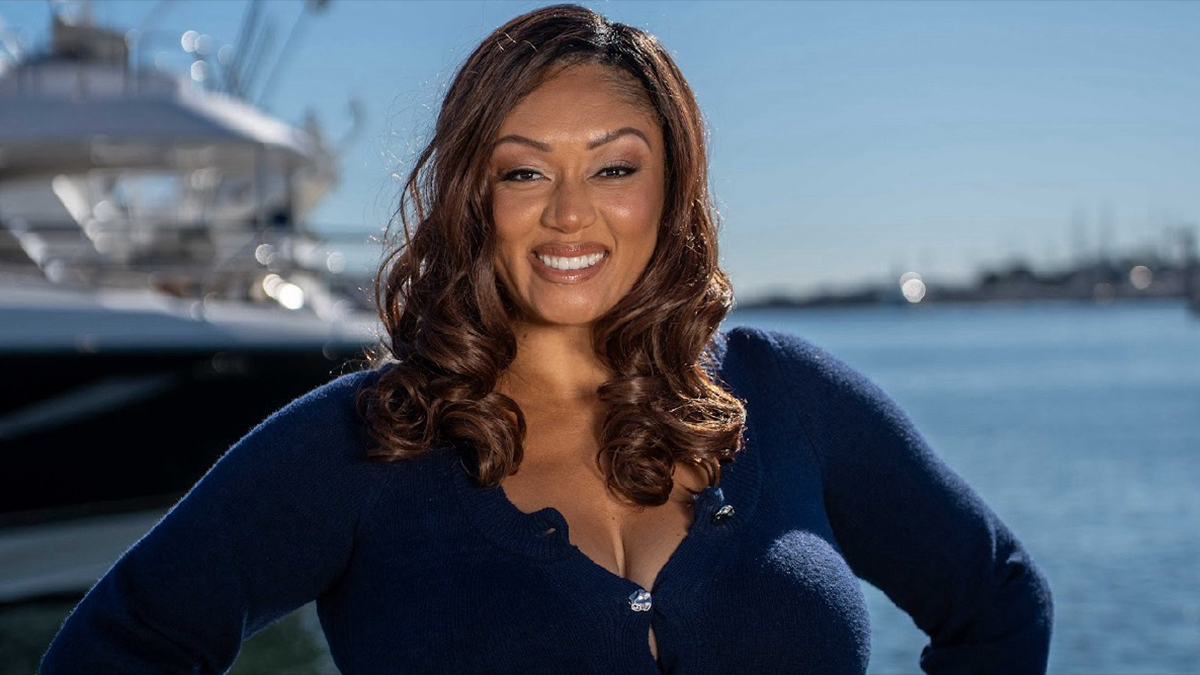
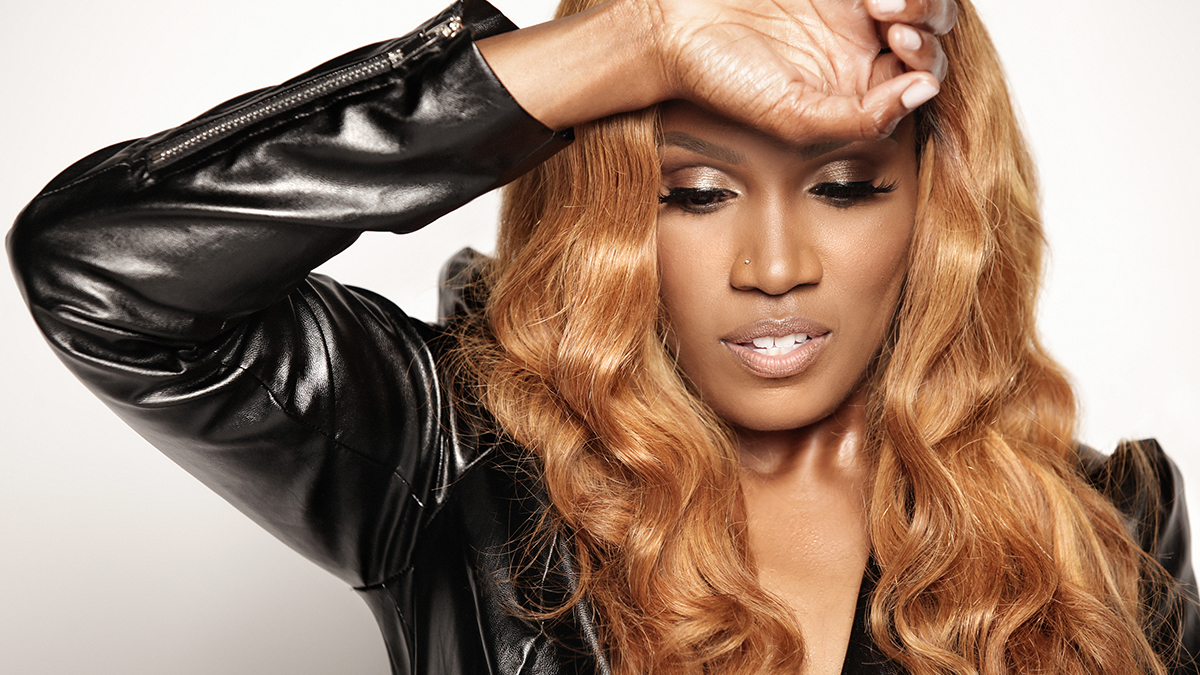
Tiffany “TiffsBass” Lloyd is a highly skilled and versatile musician who has collaborated with an impressive array of recording artists and entertainers, including the legendary Gladys Knight, the soulful Yolanda Adams, the smooth Kenny Lattimore, and many others, showcasing her talent across various genres and styles.
What led you to play bass guitar? And how old were you when you started playing?
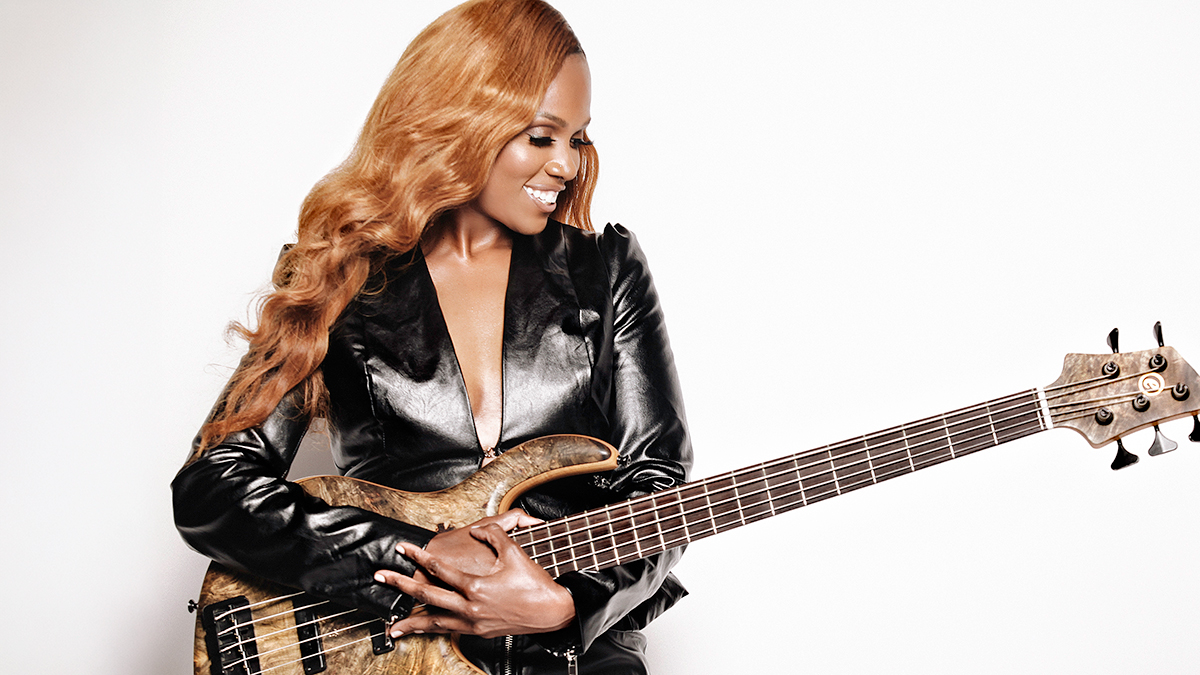
I was 16 years old when I started playing bass… I started on piano first around age 6, but when I was a teenager, I kept selectively hearing bass guitar in songs, and that’s what drew me to the instrument.
Who influenced you musically as a child and why? As an adult?
My sister influenced me musically as a child. She’s the reason I started playing piano. As a child I used to hear her playing in the living room, and when she left the room I used to go in after her and try to copy what she just played. As an adult, really mostly the fellow musician friends that I have influenced me because those guys all study theory and study jazz greats. Some taught me to regularly tackle challenging tasks such as transcribing famous saxophonist solos. Between being influenced by them to do those things and taking my own scientific approach to music, as an adult I was able to find my sound and my approach.
You’ve worked with several internationally known recording artists, such as Gladys Knight, Yolanda Adams, Lisa Raye, and more. Who would you like to work with in the future?
In the future I’d like to work with Stevie Wonder and Esperanza Spaulding, not just as a simple background bass player but also to share the stage with them as an artist.
You’re a motivational speaker for musical conferences and schools. Is there any other particular cause that inspires you to speak?
Yes. Guidance and advice, in my opinion, can totally make or completely break the shaping of one’s future path. There really are still some people out here who do want to learn and listen even if it’s tough advice, and sometimes all they need is information and guidance.
With our current social climate, Black women are pushing past glass ceilings, and the world is taking notice. In what ways has this affected you personally and professionally?
Personally it has affected me by having to part ways with many, but it has been bitter sweet. Itís also been extremely encouraging to me personally to even watch myself push past glass ceilings simply by embracing Tiffany without trying to follow or be anyone else… thatís kept Godís hands fairly free to work with me. And with that being said, that’s how it has affected me professionally, intertwining, it’s pushing me past some glass ceilings.
As a Black female musician working in a field dominated by men, in what ways has the industry gotten better? And what aspects still need improvement?
The industry has definitely gotten better at hiring more female musicians to fill roles of our instruments without it having to be a call for all females. Some aspects, like hiring more female music directors in the industry where there are mostly men on a particular platform, would be a big improvement.
You have a published music single called “Viscosity” and a new project called “Paradise,” which is available on iTunes. What can we expect from your sound? How do the two projects differ?
From my sound you can consistently expect to hear some aspects of jazz fusion. The funny thing is the two projects sound completely different. “Paradise” has an underground jazz sound, while “Viscosity” has more of a funk and disco jazzy sound.
What advice would you give to aspiring artists?
Write your vision out and be prepared to apply much sacrifice and discipline to it. Be teachable but follow your own path.
Dakari Eli