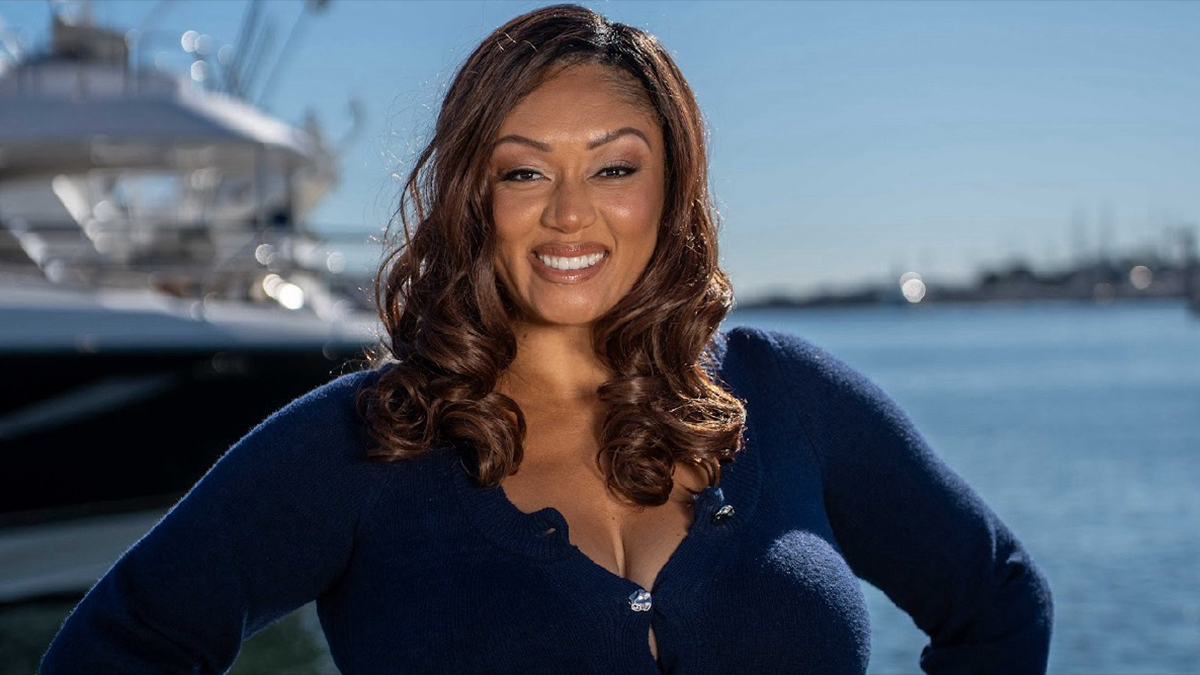
Aloni Ford is not interested in asking permission to enter the room.
She has spent years moving through professional sports, entertainment, luxury circles, wellness, and now the boating world—spaces where she has often had to prove that she belongs. Her response has been to do more than break through. She wants to leave the door open behind her. She is introducing women and young people to sailing, mentoring aspiring filmmakers, producing experiences, managing athletes, and building toward a media platform of her own. The common thread is access.
She knows what it means to enter spaces that were not necessarily built with her in mind. Now she is determined to change who gets invited, who gets seen, and who gets the opportunity to thrive.
You’ve built a career that spans television, film production, entertainment, entrepreneurship, and community building. How have those experiences shaped the way you approach your work today?
Entertainment is a hard industry. You’re dealing with a lot of personalities. I’ve managed NBA players for the last 17 years, and earlier in my career I worked in luxury real estate, where we were selling $100 million homes. I’ve had the opportunity to experience a lot of different environments and work with very wealthy individuals. Now I’m branching out into hosting more experiences, including yacht pilates and women-centered events, while still managing professional athletes. That is still my nine-to-five. I think if you can make it in a male-dominated industry, you can make it anywhere.
At this point in my life, I’m able to move with more ease. Wisdom really is the best teacher. I focus more on prevention now—there are fewer fires to put out when you do things right the first time. My career feels like smooth sailing right now.
You’re also an executive producer at the Incubation Lab, where you help bring stories from underrepresented creators to the screen. What do you look for when deciding that a story deserves to be developed?
I think about the audience, and I think stories need to be relatable. I’m always cheering for the underdog. I look for aspiration and inspiration. That doesn’t always mean someone has to have the hardest story; I ask who is deserving of an opportunity and who could really benefit from a chance. I especially care about helping people in communities that are often overlooked, including African Americans, because resources are not always as available to us as they are to others. If I can provide a break or be a resource, I want to do that.
I also offer paid internships and have worked with graduate film programs at Loyola Marymount University, Pepperdine University, and Rider University in New Jersey. One summer, I took on four students at the same time while we were working on commercials with Jordan Brand, Nike, and professional athletes. I didn’t want them getting coffee or picking up dry cleaning—I wanted them to have real, hands-on experience. Years later, some of them still call me for advice. I’ve written recommendation letters, helped people through graduate school, and tried to take people under my wing. I like giving people a real chance to succeed.
Your career has expanded beyond entertainment into boating, wellness, and experiences such as yoga. What attracted you to the boating world, and how did it become part of your business and personal journey?
I’m a water girl. Boating has always been a love of mine. About four years ago, I hit a point where I was bored. I had achieved a lot in my career and had a lot of fun, but I wanted to try something new. So I started taking boating classes. The first day, I fell in the water twice, cried on the way home, and said I would never do it again. I didn’t even show up the second day to get my certificate. I took a month off, then went back, took another class, and fell in love with boating. I’m an overachiever, so I couldn’t just take one little boating class. I became vice commodore of the Women’s Sailing Association of Santa Monica Bay, and I’m set to become commodore. I’m also one of the first Black women to serve in this kind of leadership role, and I want to open the floodgates. My goal is to make boating accessible, available, and affordable for everyone.
That includes programs such as AdventureSail, where we bring middle-school-aged girls onto boats for a sailing clinic—young people who may not otherwise have the opportunity to get on the water. I feel like I’ve been called to a higher purpose through this. I’ve also practiced yoga for about 10 years, so I wanted to marry my two loves: yoga and boating. That became yacht Pilates and other wellness experiences. I bring women—especially grown women and women from BIPOC communities—into these spaces, and many of them end up joining the sailing association or discovering an entirely new hobby.
What brings me joy is seeing people arrive alone and leave with a new best friend, or hearing someone say, ‘I found a new hobby.’ If someone can’t afford an event, sometimes I’ll give them a ticket or offer a discount. The money is really there to cover the boat, the brunch, and the experience. I’m not focused on making money from it. I’m focused on giving back, changing lives, and bringing people together—one boat at a time, one person at a time. It’s never too late to start.
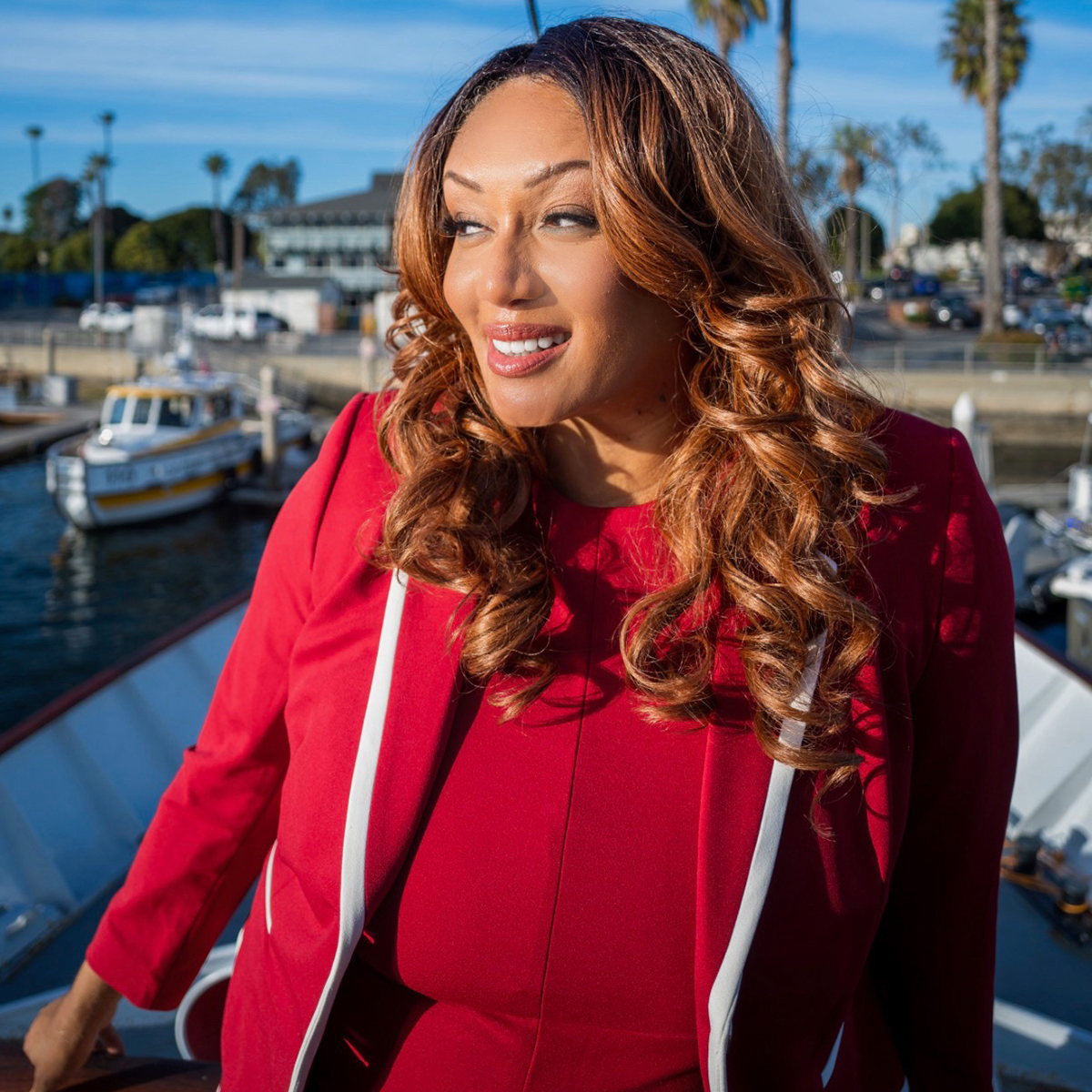
How do you feel about the responsibility that comes with being one of the first Black women to break through that door in sailing leadership?
There is a lot of weight on my shoulders. Sometimes it feels like people are waiting in the wings for you to fail, and sometimes unnecessary rules suddenly appear when you’re trying to move things forward. I sit on boards, and I hear a lot of baloney.
But I’m a rebel. I’m not one to be messed with, and I try to challenge rules that don’t make sense. I joke that I have a doctorate in common sense. People tell me I’m good at rationalizing things and finding the practical path forward.
There is pressure, but pressure breaks pipes—and I believe I’m a diamond in the rough. I believe I’m going to succeed. Our chapter of the Women’s Sailing Association has had the most members among the chapters this year, and I’ve been recruiting hard. Next year, I want to double those numbers. I want it to get bigger and better every year, and I want more people to know that they can be part of sailing.
The pressure doesn’t scare me. I’ve had pressure my whole life. I’m excited to surprise the doubters and do what I know how to do best: thrive.
You’ve spoken a lot about creating opportunities for people who may not have traditional access to the worlds you move in. What motivates you to keep doing that, even when it isn’t always welcomed or appreciated?
I’m Black, and I come from Pasadena. Growing up, I lived about an hour from the water. If I could have gone to the beach, a pool, or boating every day, I would have—but your parents aren’t necessarily driving an hour for something you only know you love because you’ve seen it from a distance. A lot of our kids, our youth, and even adults in our communities just need exposure. It’s not that they don’t like something; they may never have been exposed to it. It warms my heart to introduce someone to a new hobby and help break those doors open.
There is also a tremendous amount of networking in boating. It can be a very wealthy, upper-echelon environment, and I’ve met some of my best friends and some of the kindest people in the world through it. The joy I experience on the water is hard to describe. I live by the water now, and I’ve paid attention to what it does for me. There’s a natural, therapeutic rhythm to it that soothes the soul. I feel calmer, more balanced, optimistic, and happy. That is one reason I try to bring other people to the water.
For example, I’m hosting a free beach yoga event in Marina del Rey with hundreds of RSVPs, followed by a sound bath. That is what I do for my heart: give back, build community, and bring people together. In a world increasingly shaped by AI and screens, we’re missing community and human connection. I’m tired of Zooms. I want people meeting in real life, hugging, connecting, and exchanging energy.
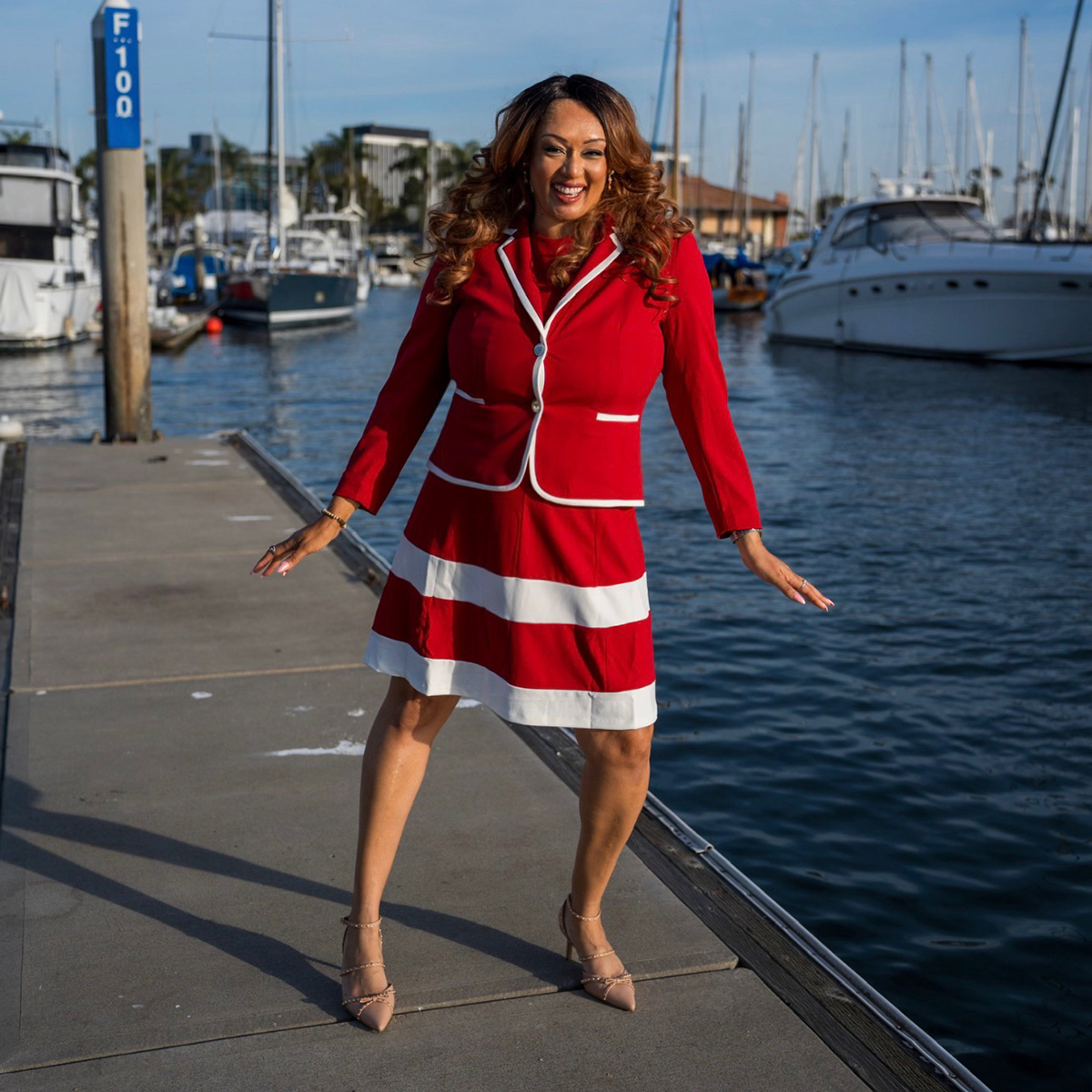
When you develop these experiences, what is your process for attracting attendees, sponsors, and brand partners?
I try to be authentic and real. I think about what a brand would want to see, and then, once I connect with a brand, I take care of them. If I tell them they’ll get a shout-out at the event, I make sure that happens. I invite them and their staff. I make sure they can experience the brunch or the wine tasting. Most importantly, I make sure their product actually reaches the attendees in a thoughtful way. My team and I might be assembling gift bags the night before. Because I’m a producer and filmmaker, I also have a real production team capturing the event, and we create a strong recap video. Then I tag the brand or collaborate with them on social media. I want partners to feel that they truly received value and meaningful exposure.
That applies to smaller wellness vendors too. I’ve had independent massage therapists come to my yacht Pilates events and tell me they gained 10 or 20 new clients. If I can introduce my audience to wellness experiences they may never have tried while helping small vendors reach people who otherwise might never find them, that’s a win-win. That’s the purpose.
You’ve built businesses and projects across several industries rather than staying in one lane. How do you decide which opportunities fit your vision and which ones to pass on?
Wisdom is the best teacher, but don’t doubt your intuition. If something doesn’t sit right with you, pay attention to that. I’ve had to learn not to chase every opportunity just because it appears. You have to make it make sense. I sit with an opportunity, do some research, and ask how I feel about it. It can be hard, but you have to know how to say no because you can’t spread yourself too thin. For me, it’s quality over quantity. I don’t need endless opportunities that don’t make sense.
Experience builds the wisdom that helps you decipher what is worth your time. You can get money back. Sometimes you can even get your health back. But you cannot get time back. Time is precious, and I don’t want to waste it.
Looking ahead, how do you see sports management, entertainment, and wellness coming together in the next phase of your career?
I want to intertwine all of it. I still want to help athletes be all they can be. My dad was a professional baseball player with the Milwaukee Brewers, so staying close to athletes and helping protect them—their wealth, their goals, and their futures—has always been a passion of mine. Health and wellness fits naturally into that world because my athletes are the ones who exposed me to many advanced recovery and wellness methods. When athletes were injured, I had to research treatments, speak with doctors, and ask the right questions. That introduced me to things such as hyperbaric oxygen therapy and other approaches to recovery and wellness.
Now I’m able to experience some of those things firsthand and then bring what I learn back to the community—especially to women who may not be connected to professional athletes or have access to that information. To me, it’s all one big world that I’m bringing together, and I plan to keep expanding it.
Q: You’re also considering moving into podcasting. What is inspiring that next step?
I know so many influential people, and I want to have more conversations of substance and share knowledge, because knowledge is power. I’m developing a talk-show-style podcast that will take place on the water, because that is my favorite place to be.
The conversations will be unfiltered, truthful, and authentic. I want people to hear the raw conversations behind public figures, celebrities, and other people who have something meaningful to say. There is a lot of chatter out there, but not every conversation has value. I want to open my world to the audience and bring them conversations that do.
What will you look for when selecting guests for the show?
They have to be open-minded. We’re not going to be overly scripted. I want people who are real and willing to drop some jewels for the audience. Sometimes those jewels are the do’s and don’ts—the mistakes, setbacks, and hard lessons that helped them build what they have. Then we can talk about how they got to the good part.
Guests need to be open, raw, fun, and ready to go. And because we’ll be on a boat and out on the ocean—not tucked into a podcast studio—they need to be a little adventurous too. They might get a little wet (laughing).
Be’n Original