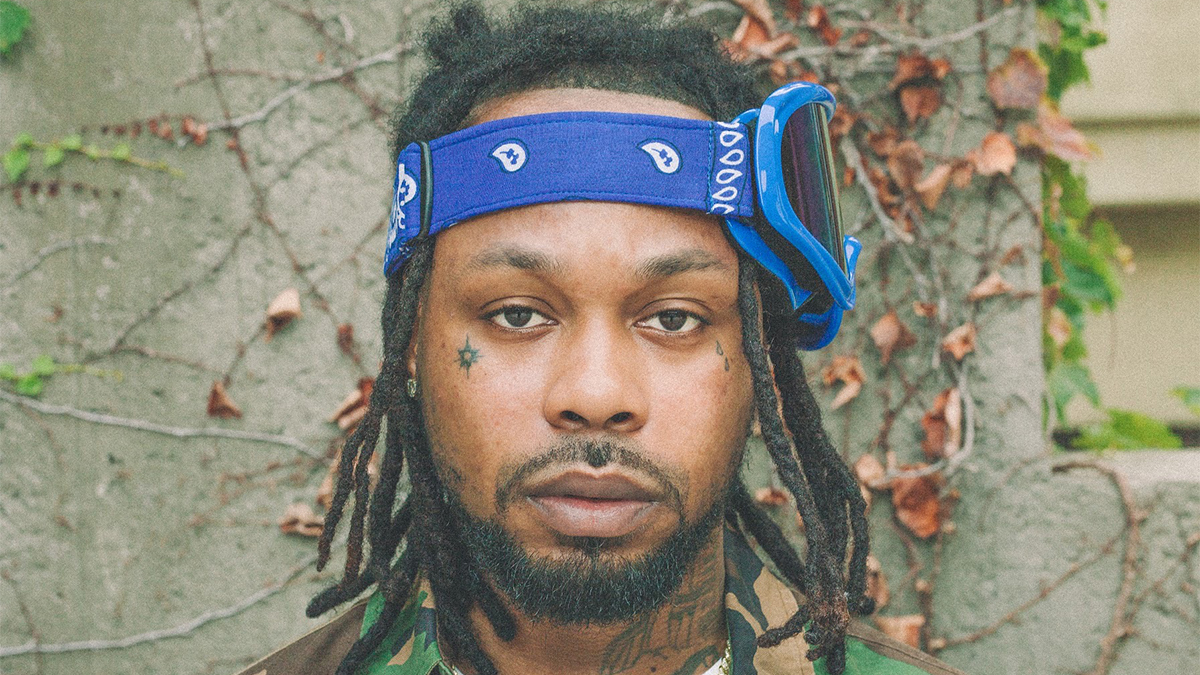
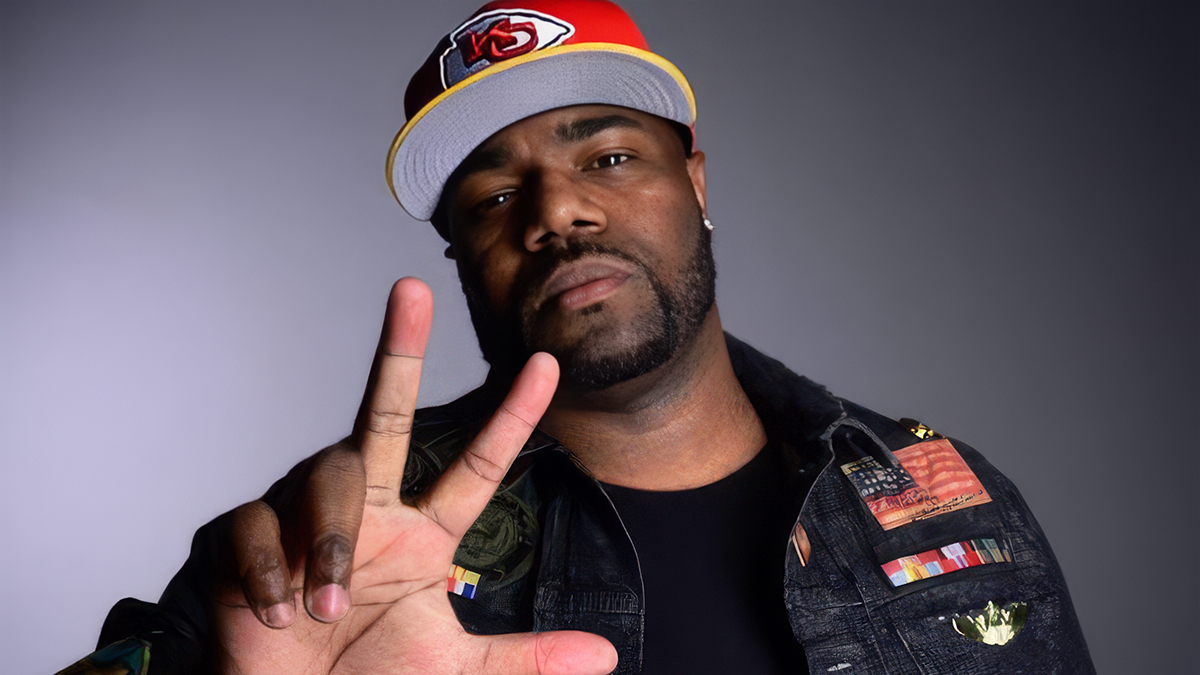
In an industry where hits come and go like fast weather, J White Did It stands as one of the rare producers whose fingerprints don’t just mark a record—they redefine an era. From the seismic shock of “Bodak Yellow” to the cultural takeover of “Savage” and the emotional weight of “A Lot,” his catalog reads like a highlight reel of modern hip‑hop history. But behind every chart‑topping anthem is a man who built his success from hunger, faith, and an unshakeable belief that the right energy in the room can change everything.
Today, J White Did It isn’t just producing records—he’s shaping moments. He’s the guy who walks into a studio and turns a beat into a breakthrough, an idea into a movement, an artist’s spark into a fully realized sound. Whether he’s matching Young Miami’s electric energy or guiding a session with the precision of a surgeon, his approach is equal parts instinct, intention, and pure passion. This is the genius producer renewed, recharged, and still starving for greatness.
“Spend Dat” is another collaboration where your production helps define an artist’s sound. What did you hear in Yung Miami’s style that shaped the direction of the record?
To be for real, it was Yung Miami’s energy, man. We were in the studio, she walked in, and we instantly matched each other’s energy. That’s really what created the record — who she is, how she carries herself, her whole vibe. Her personality set the tone for everything.
When creating the production for “Spend Dat,” what was the first element that came together—the drums, the melody, the arrangement, or something else?
Honestly, I started the beat, and she told me what she wanted it to feel like. From there, it turned into a straight-up party. She started throwing out words, ideas, and little phrases. And when she said that “whoa” line, I was like, Is that where we’re going? She said, Yeah, that’s where we’re going. So I said, Bada bing, bada boom—come on, let’s go.”
You’ve produced across different styles of hip-hop—from Cardi B’s “Bodak Yellow” to Megan Thee Stallion’s “Savage” to 21 Savage’s “A Lot.” How do you adjust your approach for different artists and personalities?
Man, I treat everybody with kindness. My approach is like the doctor’s office—when you come in, I’m gonna see what you need and how I can help. Then I give you what I feel like you need. But really, I just match everybody’s energy. That’s the key.
Your producer tag has become part of your identity. How do you balance having a recognizable signature while keeping the artist the focus?
What’s my producer tag? (Laughs) Miami got me turned up now—she says, “J White, turn me up!” That gave me new life. I’ve been in the game a long time, but that tag makes me feel like a brand-new producer again.
You’re credited as both producer and songwriter. How involved are you in the writing process?
I’m involved in every way — throughout the whole thing. I’m producing, so whatever I have to do—hand clap, 808, singing, helping write—I’m here to get the song from point A to point Z. That’s my job.
After earning major recognition for records like A Lot and Savage, how has your definition of success changed?
During that era, I started smelling myself a little too much and lost sight of what success really is. Now I know success is enjoying the moment and doing it with a team. Who wants to be successful by themselves? That’s lonely. That’s boring. It doesn’t feel good.
You came from developing artists before reaching mainstream recognition. What lessons from those early years still influence your work today?
I’m still hungry — very hungry. I remember not having money, not being able to buy my kids Christmas gifts, even while Bodak Yellow was rising. I remember having no money in my account. I’m forty-one now, and it took until I was thirty-two to get my first Hot 100 number one record. So, I still feel young in this. I’m starving for it.
How has the role of producer changed in today’s industry?
Honestly, I feel like the producer role has diminished. It hasn’t gotten better — it’s gotten worse. A lot of people don’t want to have uncomfortable conversations that make the record better. You have to be able to say, “Hey, is that lyric good?” or “I don’t think this sounds good—we need to rework it.” A lot of guys make beats—they’re beatmakers—and that’s fine. But they put their headphones on and let the room do what it does. I can’t do that. We need more respect for real producers.
There’s confusion between a beatmaker and a producer. What’s your perspective?
The producer finishes the song, delivers it to the artist and the label, and gets it mastered, everything. You don’t have to hit a key to be a producer. Hitmaka is a great example — he controls the room and makes sure the record gets from start to finish. Beat makers make beats, and that’s cool. I used to be one. Jazzy Pha told me years ago, “You’re not a producer yet—you’re a beat maker.” So I learned what producing really is: controlling the room and the energy and making sure the song gets done.
What do you look for when deciding whether a beat has the potential to become a record that connects?
I look for simplicity—and does it feel good? There’s a frequency in everything, especially music. “Spend Dat” has that frequency. It’s mobster, jazzy, R&B, hip-hop—a bunch of different things. But the one thing is it makes you feel something. It makes you dance and smile and gives you energy. That’s what I look for in all my productions.
Looking ahead, what parts of your sound or creative process do you want listeners to discover?
Honestly, I don’t know. I don’t think like that. I just know more hits are on the way. I can’t have people look for something when I don’t know what I’m gonna do next.
You’ve shared some of your struggles while chasing your dream. What kept you going during the hardest times?
Faith — God. You’ve got to have that mustard seed belief. Even when I didn’t have anything, I always knew I’d be here. My superheroes — my daughter and my son — keep me going. My mom, my sister, my family, my friends. But at the end of the day, it’s God. He’s the umbrella for all that. Without Him, I wouldn’t have any of the other stuff.
Be’n Original