Throughout history, women have been expected to nurture others while pursuing their own ambitions. For Black women, independence has often been essential to creating opportunities and building lives on their own terms. Yet when a woman enters a relationship with someone who gradually undermines her confidence, the effects can extend far beyond that relationship.
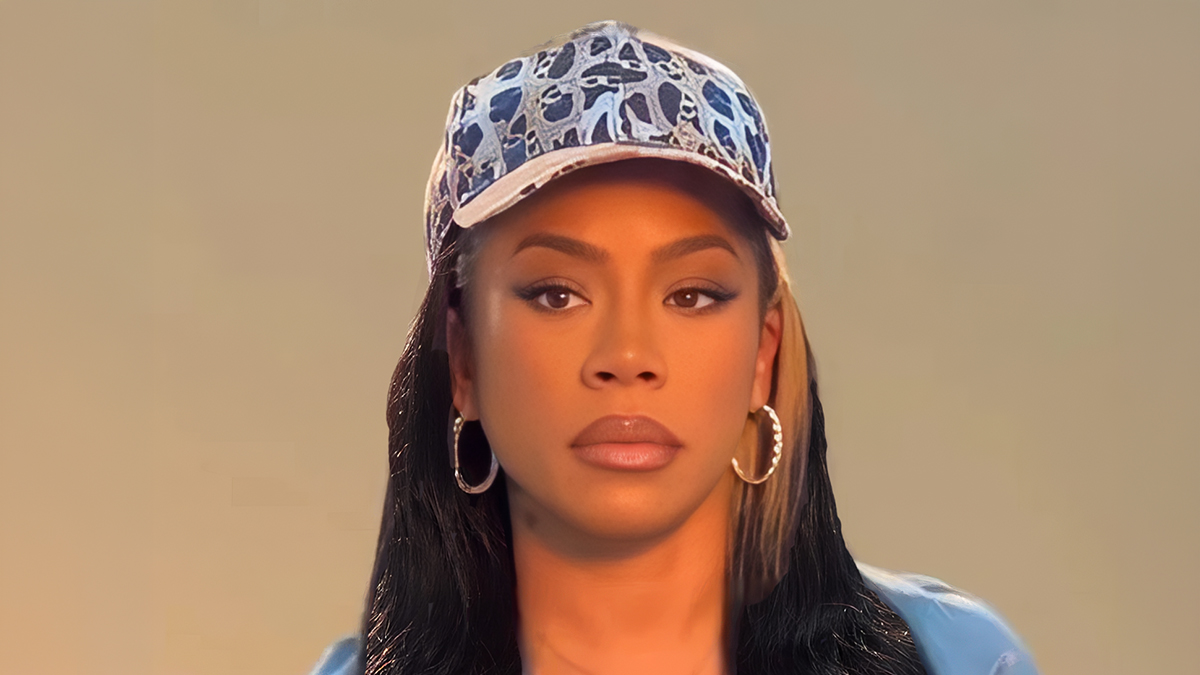
Recent public speculation surrounding Keyshia Cole has brought that conversation back into focus. After footage from the R&B singer’s Houston performances circulated online, some fans questioned her well-being and began drawing conclusions about her personal life and relationship with rapper Skrilla. A lyric from Skrilla’s “Rich Sinners,” featuring Lil Yachty, also fueled discussion, although neither a difficult performance nor a song lyric establishes what may be happening in someone’s private relationship.
Cole’s circumstances are hers to explain. But the reaction raises a broader question: What happens when a woman stays in a relationship that gradually changes how she sees herself?
Many women recognize how slowly that erosion can happen. Confidence gives way to second-guessing. The qualities that once made them feel vibrant become harder to access. Some begin criticizing their appearance, withdrawing from others, or blaming themselves for circumstances they cannot control.
Unhealthy relationships often develop gradually. Affection, attraction, and the hope of building a future together can make troubling behavior difficult to acknowledge. Some women defend partners who disrespect them, believing loyalty will inspire change. Others recognize the harm but feel financially dependent, emotionally exhausted, isolated, or frightened of what might happen if they leave.
That is why the question should not simply be, “Why doesn’t she leave?” A better question is what happened during the relationship that made leaving feel so difficult.
A controlling partner may position themselves as the only person who truly understands her, insisting that friends are jealous, family members are unsupportive, or professional opportunities are not worth pursuing. Over time, encouragement becomes discouragement, and affection becomes conditional.
Meanwhile, a partner may continue benefiting from her resources, connections, emotional labor, or professional success. Supporting someone you love is not inherently unhealthy. The problem begins when that support consistently flows in one direction while her own needs and ambitions are treated as secondary.
As her support system weakens, she may become increasingly dependent on the same person causing her distress. She may wonder why she is always crying, why she no longer feels like herself, or why she has stopped pursuing things that once excited her.
What appears to outsiders to be a sudden change may have developed through years of criticism, compromises, broken boundaries, and isolation.
Public speculation about women such as Cole should also remind us that outsiders rarely know the full circumstances of someone’s private life. Concern is different from accusation.
The larger conversation is not about determining what is happening in one celebrity’s relationship. It is about recognizing what can happen when any woman remains in a relationship that consistently takes more from her than it gives.
The cost of staying too long may not arrive all at once. Confidence can erode. Support systems can weaken. Opportunities can disappear. Ambitions can shrink.
No woman should have to become a stranger to herself or surrender her confidence, safety, and ambitions to prove her love.
Na’ilah Burston